



Get your car Road Trip Ready and prepared for driving in the hot summer sun! We’re sharing our tips for recommended service appointments and check-ups you should make on your vehicle before hitting the road.
Long car rides can put a lot of wear and tear and stress on your vehicle, so it is important to have it in tip-top shape before you start driving. Remember that residual heat from roadways, being parked in hot spots, and generally running your engine for long periods of time can all have an effect on your vehicle’s longevity.

Let’s take a look at how to be best prepared for just about anything so you can drive to your heart’s content and arrive safely at your destination for maximum summer fun and low-stress travel.
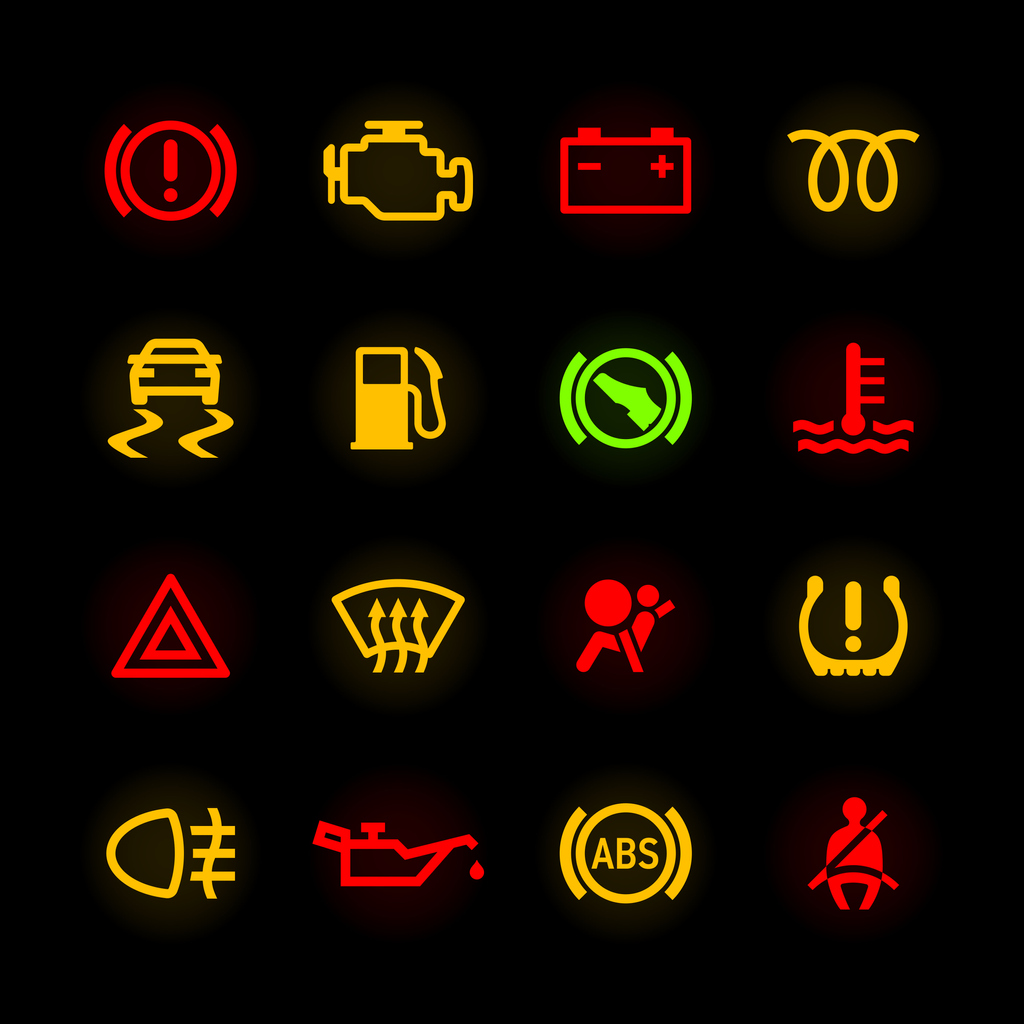
This may seem obvious but first and foremost: Stop ignoring your dashboard lights. Bring your car in for a general tune-up and check-up and get a reading on all those blinking lights you keep trying to ignore. Don’t wait until your car breaks down or strands you on your summer road trip! Get things taken care of now, so you can enjoy all of your day-trips and vacations without any added stress.
Check and Test your A/C. Don’t wait until the sweltering heat is already in full-force before you test your Air Conditioner. Make sure the fans and cooling unit are working properly before the summer gets here, and get it tuned-up and repaired if not!
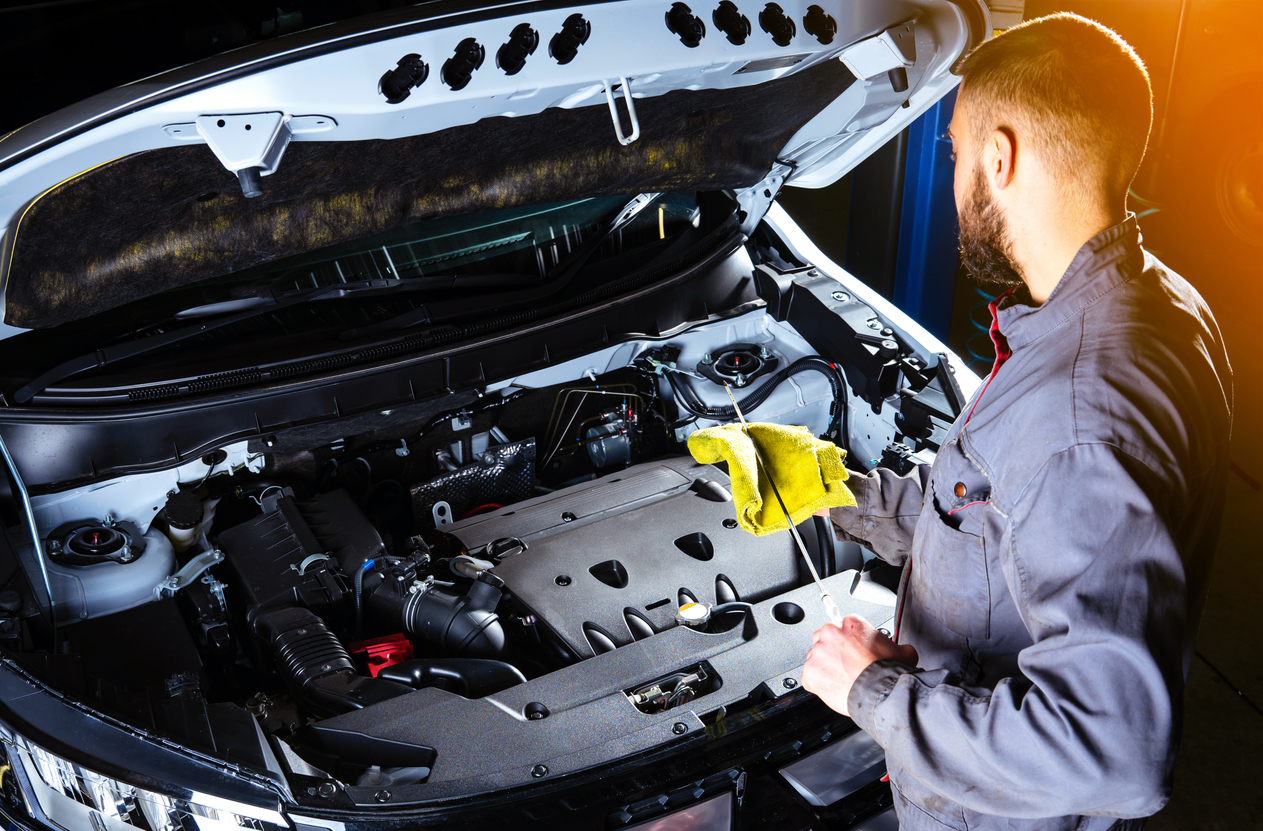
Change Oil and filter
Each vehicle make/model will differ in mileage requirements for oil changes, but most are between 3,000 and 6,000 miles between an oil change service. Be sure that you bring your car in at the appropriate mileage markers especially if you’ve been making frequent drives or a long journey. It will ensure your vehicle runs more efficiently in hot weather, reducing the chance of a seized engine or fuel inefficiency.
Clean and/or replace air filter
Summer heat means running the AC frequently, and that can lead to a need to replace your air filter in just one or two months as opposed to the usual 3. Make sure you’re regularly checking the filter and cleaning it as needed, or replacing it earlier if you’ve been doing a lot of driving this summer. It will ensure that your AC runs properly and can consistently cool your vehicle.
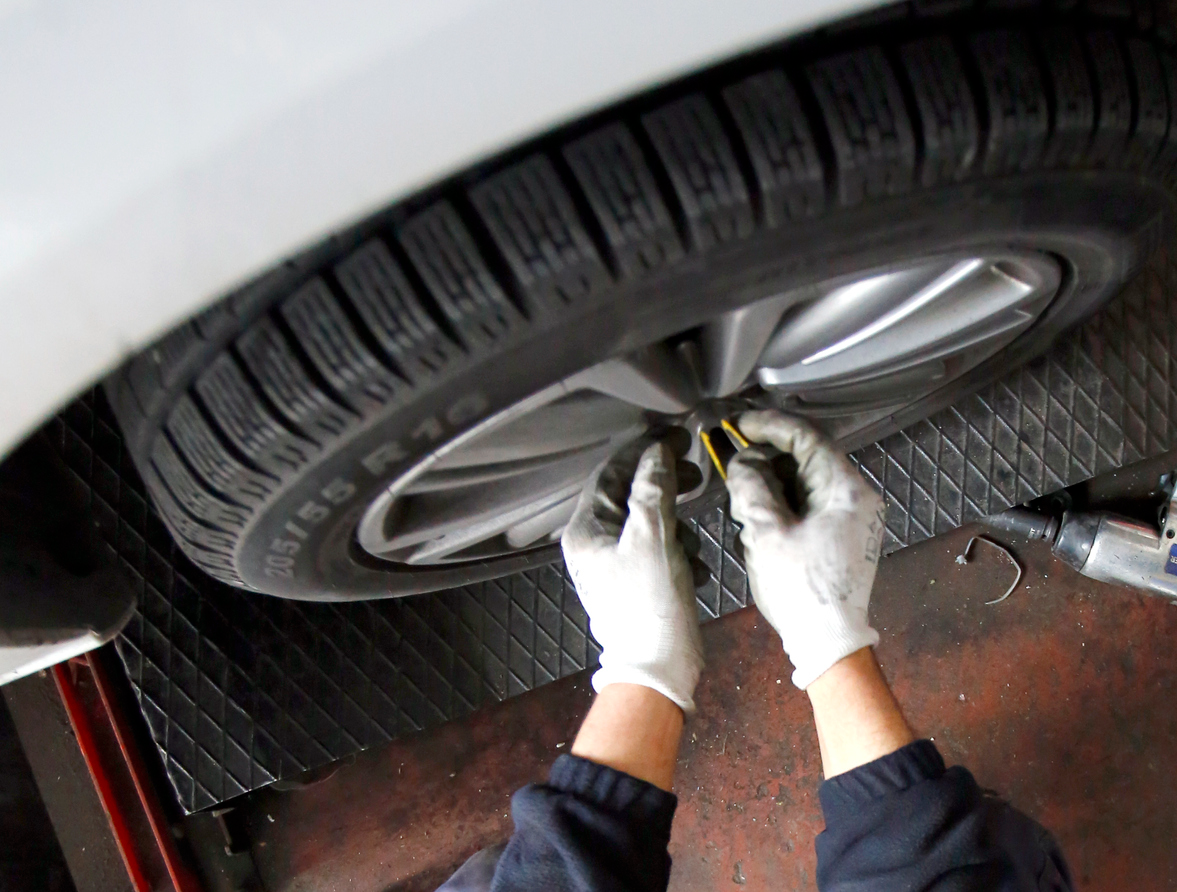
Check Tire Air Pressure and Rotate Tires. Replace any tires with worn treads. Check your Spare Tire/Donut and replace if necessary.
After several day-trips or even a lengthy drive to your vacation destination, your car tires are going to have seen their fair share of wear-and-tear. Check the tread depth for signs of wear or uneven tread; replace or patch any damaged tires. Check the tire pressure before you depart on your next adventure, and especially with any 10 degree temperature change outside. Inflate them to the recommended PSI from the manufacturer’s guidelines. Make sure you bring your car in for a wheel alignment check and have the tires rotated to ensure even wear.
Top off Fluids
While it’s important to keep your car’s fluids in check on the regular and with each seasonal maintenance, it’s imperative that during the summer months you especially keep an eye on your Coolant and motor oil levels. An increase in summer travel along with high-heat can mean these fluids are depleted quicker than average, and the last thing you want is to be stranded on the highway with a seized engine. Make sure that you have Antifreeze/Coolant topped off as well as the appropriate oil before you leave on a long trip.
Check all of the belts and hoses. Cold and freezing temperatures of wintertime can cause the rubber and plastics to crack or split, thus weakening their ability to move properly. You don’t want to hit the road during the warm weather and find out your vehicle has winter damage! Pop open the hood and take a look inside and ensure that all of the belts, hoses, and connections are in tip-top shape. Save yourself a lot of money and aggravation by ensuring all belts and hoses are replaced before they cause your vehicle to stall or your engine seizes.
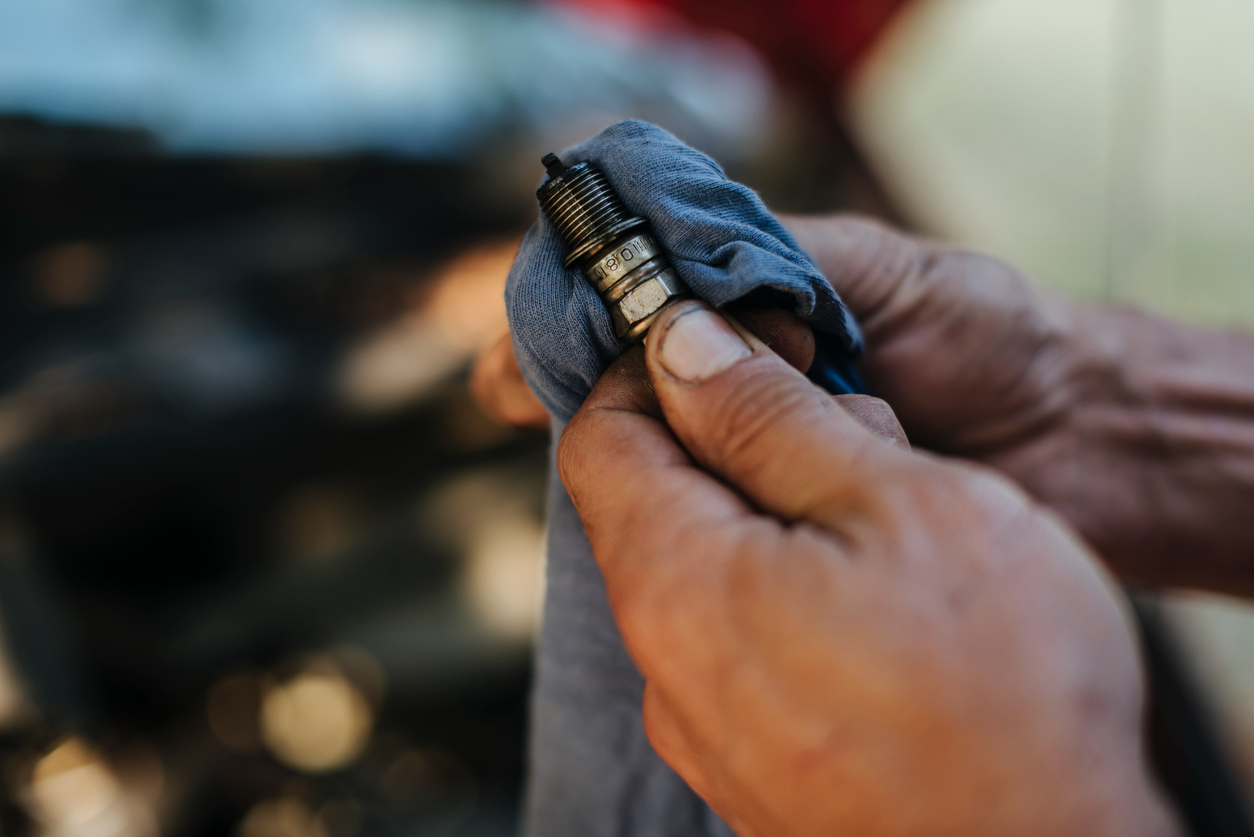
Check those spark plugs! The spark plugs aid in combustion of air and fuel. Although this part is one of the most durable elements of a vehicle, you really should change them every 30,000 to 90,000 miles depending on your vehicle. Check the manufacturer’s website or manual for specific timing requirements. Defective spark plugs can cause serious engine damage if not maintained properly. If they cannot generate an adequate spark, your engine will lose power and efficiency, or worse it will cease to run. If you notice your car is idling rough, you’re having trouble starting your vehicle, or you have an engine misfire, it’s high time to bring your car in for a spark plug change. Additionally, your car may have difficulty accelerating and maintaining that speed, leading to poor fuel economy. So, don’t skip this step especially if you’re planning on doing a lot of long distance driving!
Detail your vehicle’s interior. We’ve already covered the importance of regular car washing in the spring to clean away road salt and grime, but the interior fabrics need a little TLC as well! Make sure you get a good shampoo and vacuum on all of your car’s fabric. If your car has a leather or leather-blend interior, it’s important to condition the fabric so it doesn’t crack or peel during hot weather months. Get into all the nooks and crannies to clear out the grit, grime, and gravel! You want to bring back memories of your trip and maybe a little sand, not take a whole season’s worth of muck along for the ride there and back!
Is there a topic you wish to see covered in depth on a future service post update?
Let us know in the comments on our social media!
![[Facebook]](https://www.classickiaonline.com/blogs/294/wp-content/plugins/bookmarkify/facebook.png)
![[LinkedIn]](https://www.classickiaonline.com/blogs/294/wp-content/plugins/bookmarkify/linkedin.png)
![[Twitter]](https://www.classickiaonline.com/blogs/294/wp-content/plugins/bookmarkify/twitter.png)
![[Yahoo!]](https://www.classickiaonline.com/blogs/294/wp-content/plugins/bookmarkify/yahoo.png)
![[Email]](https://www.classickiaonline.com/blogs/294/wp-content/plugins/bookmarkify/email.png)
Connect with us


- 2026 Kia Sorento Sizing Guide: Three-Row Family Versatility in Waukegan, IL
- Big Wins for Kia: Three Models Take Home U.S. News “Best Hybrid and Electric Car” Awards
- Say Hello to the Future: What to Expect Now That the All-New 2026 Kia K4 Hatchback Has Arrived in Waukegan
- A Candid Look at the All-New 2027 Kia EV3: What to Expect?
- The Evolution of an Icon: The All-New 2027 Kia Seltos Reveal
Recent Posts
 Warranties include 10-year/100,000-mile powertrain and 5-year/60,000-mile basic. All warranties and roadside assistance are limited. See retailer for warranty details.