


We know you’ve been following our tips, tricks, and pointers for maintaining your vehicle, but we also know that accidents and malfunctions still happen. Sometimes things occur that are out of our control, so it’s helpful to be prepared for just about any situation.
Today, we’re going to share a helpful guide on what to do if, despite your best efforts, you encounter an issue with your vehicle’s engine overheating. Your engine overheating can be a bit of an alarming occurrence, but there’s some very easy steps you can take to prevent permanent damage to an overheated engine.

Know before you go! Read our thorough guide to learn the signs, what each of them means, and how to handle yourself and keep cool under pressure.

What are the initial signs and hints that a problem is brewing under the hood:
- You notice what appears to be “steam” or smoke coming out from under the hood.
- The check engine light or “temperature” light on the instrument panel is illuminated.
- You notice a sweet aroma from the engine area, which may indicate a leak in the coolant/antifreeze.
- The engine temperature gauge is spiking into the red or hits “H” for Hot.

What to do once you’ve noticed your engine is overheating:
- Put your hazards on to indicate to drivers around you that you are experiencing an issue and may be driving slower; it will keep you safer on the road than driving without.
- Turn off your AC, open your windows, and turn on the Heat. Yes, you read that right! Using the AC will put an additional strain on your overheated engine, but putting on the heat will draw the hot air away from and reduce the load on the engine.
- Find a place to pull over as soon as you can, and shut off your engine. Allow it to cool for at least 15 minutes. You can check how it’s going with the temperature gauge on your instrument cluster.
- If you have assessed the situation and are sure that there are no leaks, you can top off the coolant in the radiator and reservoir. You may allow your vehicle to idle for a little while to ensure that it does not spike to “H” or illuminate the temperature gauge before attempting to drive it to safety.
- Use your phone to call roadside assistance, a local towing company, or a friend who can help tow your vehicle to the nearest mechanic.
- If you are unable to reach anyone due to poor signal, or need to get your car to a better spot for tow truck access, you can carefully restart your engine and slowly drive it to a safer destination as long as you are keeping your eye on the temperature gauge and keeping it in the lower range; if it spikes, pull over, turn the car off and wait another 15 minutes.

Things you should NEVER DO if you notice your vehicle is overheating:
- DO NOT continue on to your destination; continuing to drive your vehicle in this state can risk permanent engine damage, increases risk of fire, and can lead to deadly accidents.
- DO NOT open the hood immediately after pulling over. The engine is at extremely high temperatures, and you are risking serious burns and injury. Wait until the temperature gauge is in normal or cooler temperatures to examine the situation under the hood.
- DO NOT delay scheduling a service call or maintenance appointment. The longer you drive your car in this condition, the more permanent damage and related issues you’re causing. It won’t fix itself or resolve the problem without a trusted mechanic’s diagnosis and service.
- DO NOT add cold water to the radiator, as this may cause the engine to crack! If you do add any water, it should be room temperature to avoid further damage.

What are the best practices to prevent engine overheating and maintain your engine:
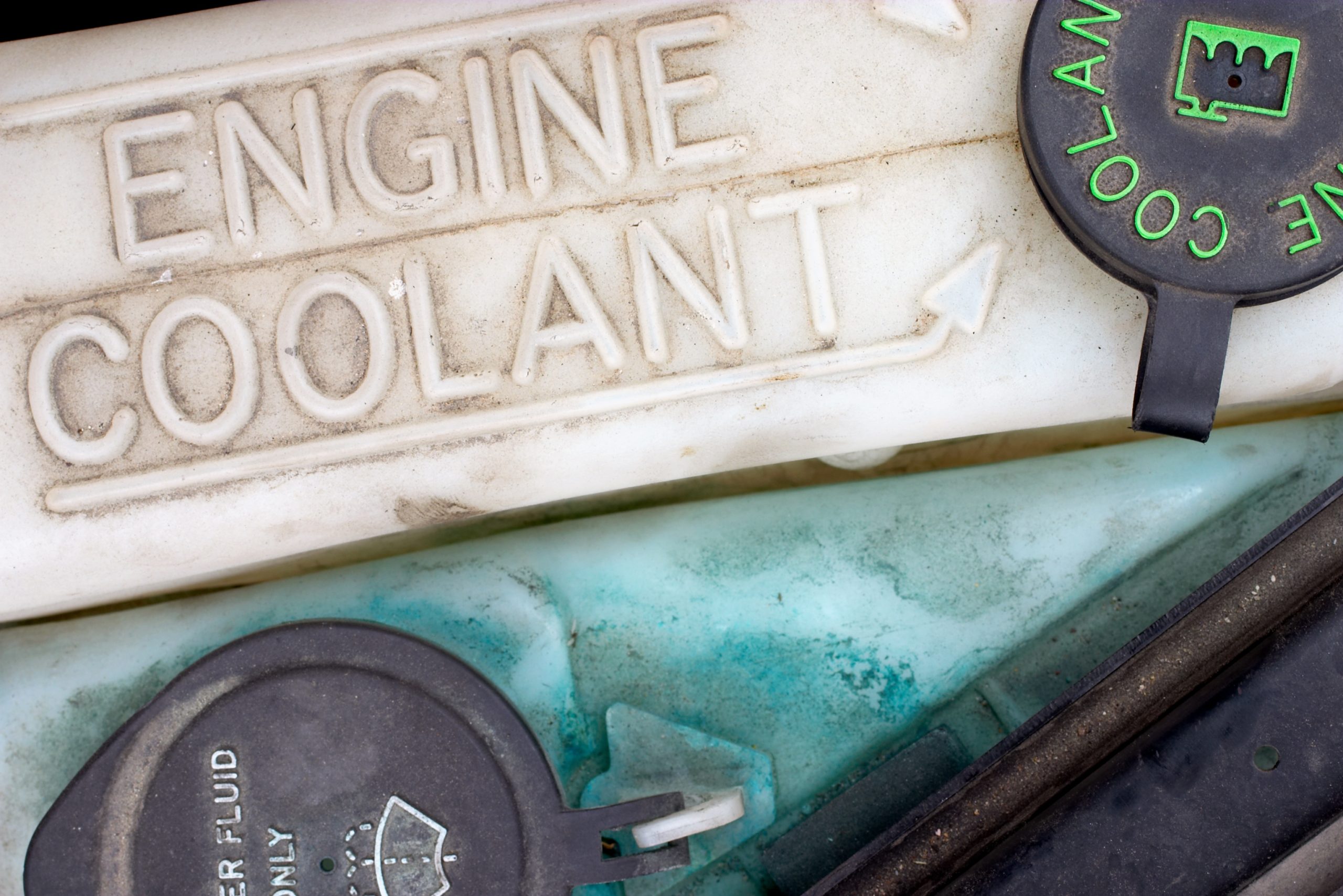
- Check your coolant levels regularly. Open the hood and look for the radiator reservoir (usually white, and clearly marked with “coolant” or “antifreeze” or similar symbols/phrasing.) You will note a level on the side of the reservoir; you want the level to be between “low” and “full”, and if not be sure to top it off until it is! Use a funnel to help you neatly fill the reservoir. If you notice that the coolant level reads low, allow the engine to cool down and then add more coolant. Consult your vehicle manufacturer manual for proper coolant types.
- Have your trusted mechanic or service technician drain, flush, and dispose of old radiator fluid. They’ll then replace it with fresh fluid.
- Ask your mechanic or technician to perform an inspection of the coolant system and its seals, gaskets, and hoses, and replace anything that appears to be worn or broken.
- Perform regular oil changes and maintain a proper oil level at all times, and never drive your vehicle when it’s got low or sludgy oil. Bring it in to your mechanic for service if you do not wish to perform an oil change yourself.
![[Facebook]](https://www.classickiaonline.com/blogs/294/wp-content/plugins/bookmarkify/facebook.png)
![[LinkedIn]](https://www.classickiaonline.com/blogs/294/wp-content/plugins/bookmarkify/linkedin.png)
![[Twitter]](https://www.classickiaonline.com/blogs/294/wp-content/plugins/bookmarkify/twitter.png)
![[Yahoo!]](https://www.classickiaonline.com/blogs/294/wp-content/plugins/bookmarkify/yahoo.png)
![[Email]](https://www.classickiaonline.com/blogs/294/wp-content/plugins/bookmarkify/email.png)
Connect with us


- 2026 Kia Sorento Sizing Guide: Three-Row Family Versatility in Waukegan, IL
- Big Wins for Kia: Three Models Take Home U.S. News “Best Hybrid and Electric Car” Awards
- Say Hello to the Future: What to Expect Now That the All-New 2026 Kia K4 Hatchback Has Arrived in Waukegan
- A Candid Look at the All-New 2027 Kia EV3: What to Expect?
- The Evolution of an Icon: The All-New 2027 Kia Seltos Reveal
Recent Posts
 Warranties include 10-year/100,000-mile powertrain and 5-year/60,000-mile basic. All warranties and roadside assistance are limited. See retailer for warranty details.