


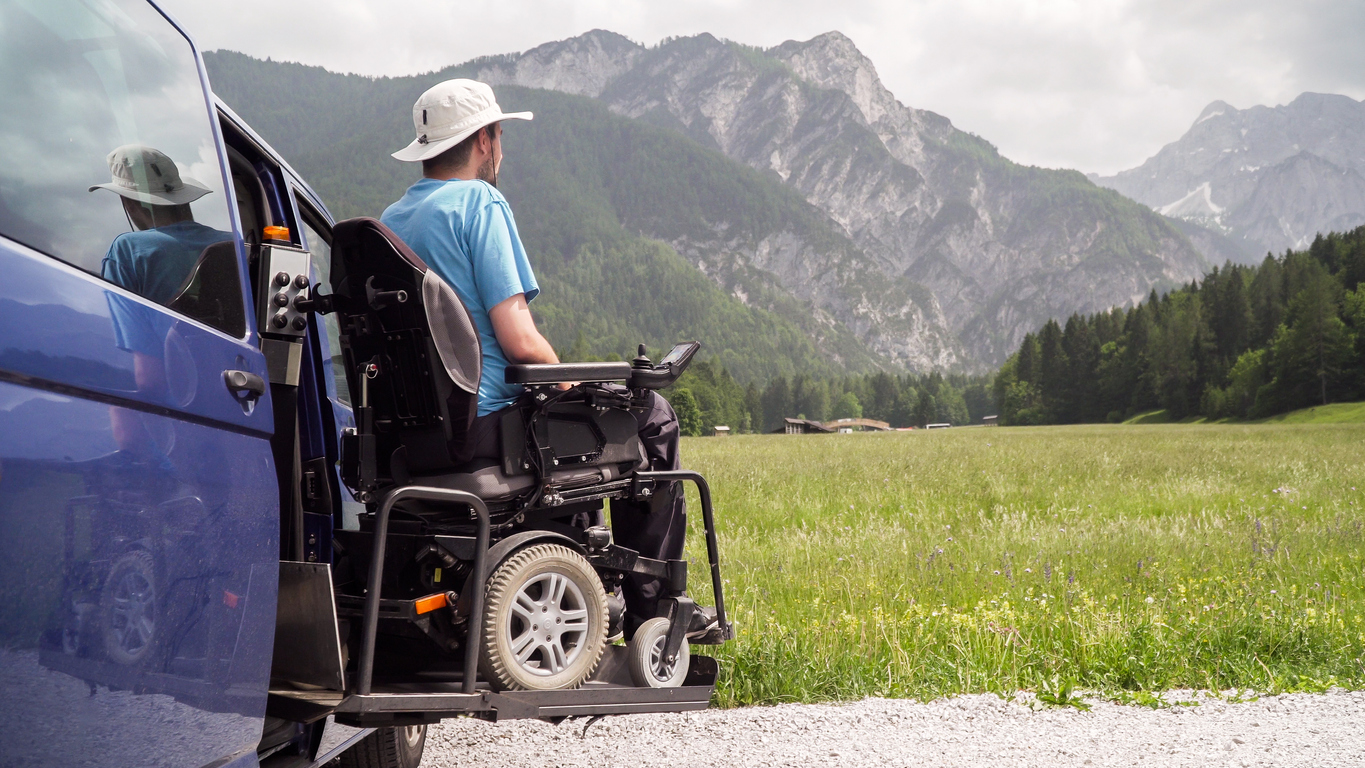
Ways To Make Your Vehicle More Accessible
We love sharing posts about car gadgets and gizmos that help make transportation and travel a breeze. Today’s post, however, is sharing car tech from a different perspective, and we think it’s a truly vital one. If you’re a non-disabled person, chances are you may not have thought about how modern day to day activities may not be accessible to folks with disabilities or health concerns. Today we’re going to shed some light on the subject, and show you how modern vehicles can be adapted for a wide variety of accessibility needs.
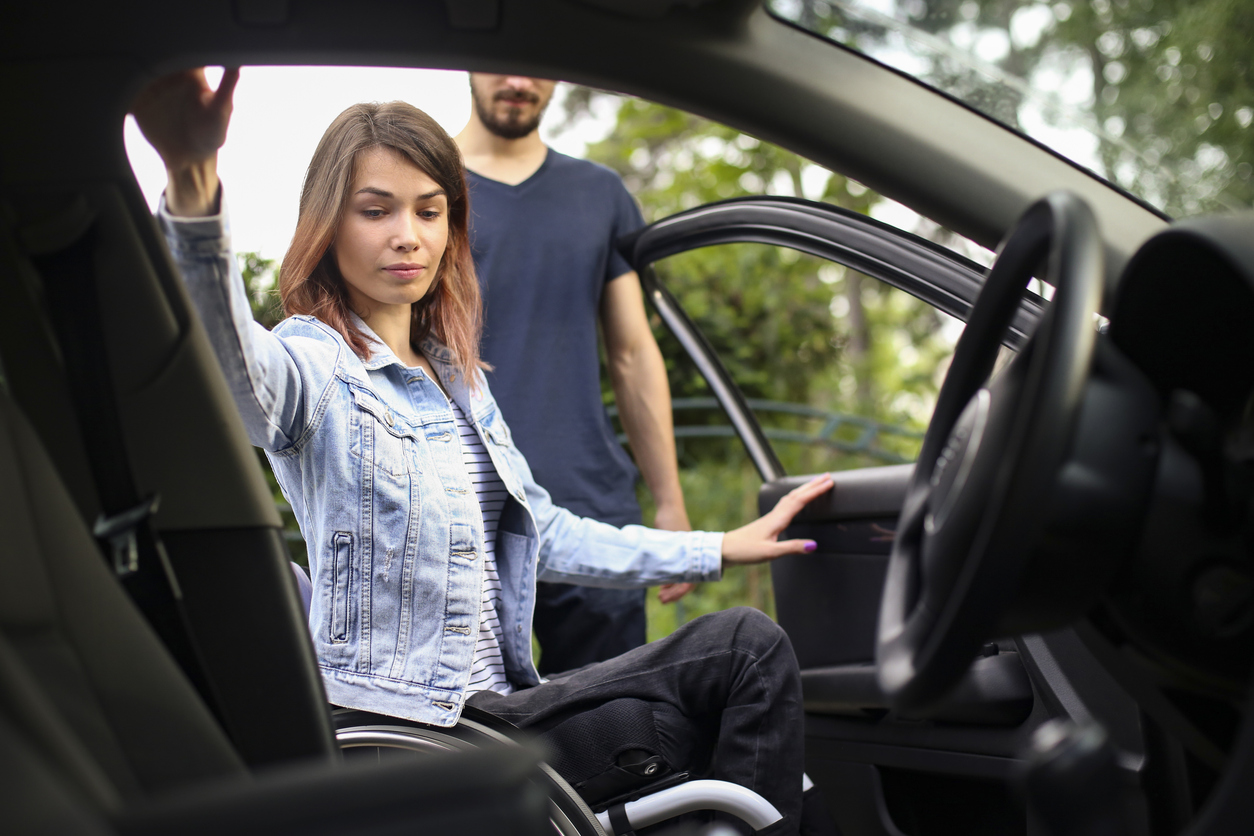
If you are a friend, spouse, or caregiver who is looking to provide adaptive driving aids and accessibility modifications to your vehicle, we’ve got a great list of pointers to get you started on that path.
Likewise, if you’re a disabled person looking for resources on accessible items and mobility aids for transportation and driving, we’ve got you covered as well. We have done our best to include product suggestions and accessibility companies. If you have recommendations for an accessible product that you have found useful for your travel needs, we’d love for you to share it in the comments section!

Before we dive into that topic, there are a few important reminders we wish to share regarding disability, accessibility and traveling with disabled individuals:
Persons of any age, race, ethnicity, or demographic can have a disability, and not all disabilities are visible. Babies, Children, Teens and Adults may have accessibility requirements. Be mindful.
Updated terminology guidelines from disability activists and disability organizations advise that “disabled individual/person” and “person with a disability” are the preferred language for references instead of “differently-abled” or “special needs” or “challenged” etc.
Mobility and accessibility aids are actually more common than you think! Contact Lenses, Eyeglasses, hearing aids, and even speakerphone features are all commonly used mobility aids that assist common disabilities and chronic health issues. Wheelchairs, walkers, and other adaptive devices are more common than you’d realize.

When traveling with disabled or chronically ill individuals, please ensure that you call ahead to your venues, destinations, or meeting places to inquire about accommodations and access for mobility aids (wheelchairs, walkers, canes, etc.) If a destination is not accessible, it is best to inform your disabled companion and/or their caregiver in advance so that arrangements can be made or you can coordinate together for alternate plans.
People who use mobility devices may require additional space or to board transportation first for easy navigation; please give them the same space and respect you would for non-disabled passengers.
It is never okay to touch or lean on a person’s wheelchair or mobility aid, or to touch a person’s body in any way without their explicit consent.

Physical impairment or illness does not automatically mean someone necessarily has a mental impairment as well; treat people with disabilities with the same respect as you’d speak to non-disabled folks. Please address disabled people directly, instead of speaking around them to any companions or aides with them.
Follow disabled creators, activists, and individuals on social media, and listen to what they have to say. Learning from first-hand experiences and observing accessibility feedback from the community is an important step in crafting a more inclusive society.

Accessible Features to Look for When Purchasing a Vehicle
- Keyless Entry enables caregivers and disabled passengers easy access to opening the car doors instead of fumbling with keys.
- Electric Locks, windows, and child-safety door features are all great options; Electric windows ensure that people can easily control their environment as needed for temperature control. Electronic locks and child-safety door locks can prevent elderly dementia patients from unexpectedly opening a door on a moving vehicle.
- Easy-Access to Large Cargo Capacity is helpful for stowing equipment and mobility aids such as foldable wheelchairs, walkers, canes, and medical necessities.
- Higher Seats allow those with disabilities and mobility aids easier entry and exit when getting into a vehicle instead of excessive bending or twisting of lower seating.
- Electric Seats allow for more room for passengers in the backseat when entering or exiting the vehicle, and the ability to recline front or back seats for users who need to lie back to swing their legs into the car easily.
- Heat/AC in the seats can be helpful for those with physical impairments or chronic illness by providing
- Bluetooth Connectivity and Apple CarPlay and Android Auto are among the modern hands-free amenities that can be assistive devices for those with hearing impairments, mobility aids, and other needs, as well as providing additional communication methods for all disabled persons.
- Electronic park assist and cameras are helpful in navigating parking lots and street parking to ensure you leave enough room for mobility aids, ramps, and other equipment. In addition, it also helps drivers ensure they have properly secured mobility aids and medical equipment, and prevent backing over any equipment you may have unloaded in the driveway, parking space, or curb prior to parking

How To Make a Vehicle More Accessible: Adaptive Driving Equipment
- Turning Automotive Seats – Mobility aid companies can retrofit your vehicle with a mechanized seat that rotates for the driver or front seat passenger to get in and out of their vehicle safely. This provides ambulatory wheelchair users an easier option for entering and exiting the vehicle, and provides those with other mobility aids a less stressful option than bending, twisting, or crouching to get into the front seats.
- Wheelchair and Scooter Carriers and Wheelchair Securement– These devices function similarly to bicycle carriers, but are designed to withstand the weight and shape of mobility aids such as wheelchairs, power chairs, and scooters. They will ensure a person’s equipment is safely stowed and secured on the vehicle’s exterior.
- Car Transfer Aids – Seats like the the Slide ‘n’ Ride are adjustable, compact assistive devices that allow passengers to transfer from walker or wheelchair to car seat more safely.
- Assist Bars and straps- Items like the Able Life Auto Cane are portable support handles and standing mobility aids to assist with entering/exiting a vehicle. The Stander CarCaddie Adjustable Support Strap is just one of many options for non-slip grip support for more stability when exiting and entering a vehicle.
- Swivel Seats – These portable, removable cushions are a great way to provide accessibility for guest passengers who are coming along for special events or outings. The HealthSmart 360 Swivel Seat cushion can help reduce hip, knee, and back strain experienced by getting in and out of seats. Swiveling seats allow your passenger more mobility and independence to exit the vehicle comfortably.

- Scooter and Wheelchair Lifts – Companies can customize a special lift to accommodate disabled individuals who need to stay seated in their wheelchair or scooter, or to provide those who have transferred to a seat a safer way to load their equipment into a vehicle. Models such as Conversion Vans and large SUVs work best, but there may be additional options available.
- Ramps for Vehicles – This can provide wheelchair users with more accessibility and less issues with needing to transfer from wheelchair to their seat. It is a good option for those who cannot afford a wheelchair or scooter lift, allowing more access without permanent or costly changes. You will need to verify your vehicle’s weight limits, make/model for size, and the equipment used by the disabled individual, and we recommend consulting with a mobility aid company.

We know that when it comes to accessibility, there is no one-size-fits all solution. When comes to personal travel and daily driver cars, you should be free to select the equipment that best works for each individual need. If you are looking for additional information or resources, you may visit The Mobility Resource for more information on how to acquire Adaptive Driving Equipment or even find assistance to locate an accessible vehicle in your area. And of course we recommend you consult with a doctor, caregiver, or therapist to find the best options for your or your loved ones needs.

![[Facebook]](https://www.classickiaonline.com/blogs/294/wp-content/plugins/bookmarkify/facebook.png)
![[LinkedIn]](https://www.classickiaonline.com/blogs/294/wp-content/plugins/bookmarkify/linkedin.png)
![[Twitter]](https://www.classickiaonline.com/blogs/294/wp-content/plugins/bookmarkify/twitter.png)
![[Yahoo!]](https://www.classickiaonline.com/blogs/294/wp-content/plugins/bookmarkify/yahoo.png)
![[Email]](https://www.classickiaonline.com/blogs/294/wp-content/plugins/bookmarkify/email.png)
Connect with us


- 2026 Kia Sportage Performance and Features for Illinois Drivers
- Top 5 Features of the 2026 Kia Sportage Hybrid
- A First Look at the 2027 Kia Telluride
- Celebrate the Holidays by Gifting a Road Trip to the Michigan Ice Fest 2026!
- Extending the Spirit of The Giving Season: Great Ways to Give Back to the Community For the Holidays (Lake County, Waukegan Area)
Recent Posts
 Warranties include 10-year/100,000-mile powertrain and 5-year/60,000-mile basic. All warranties and roadside assistance are limited. See retailer for warranty details.