


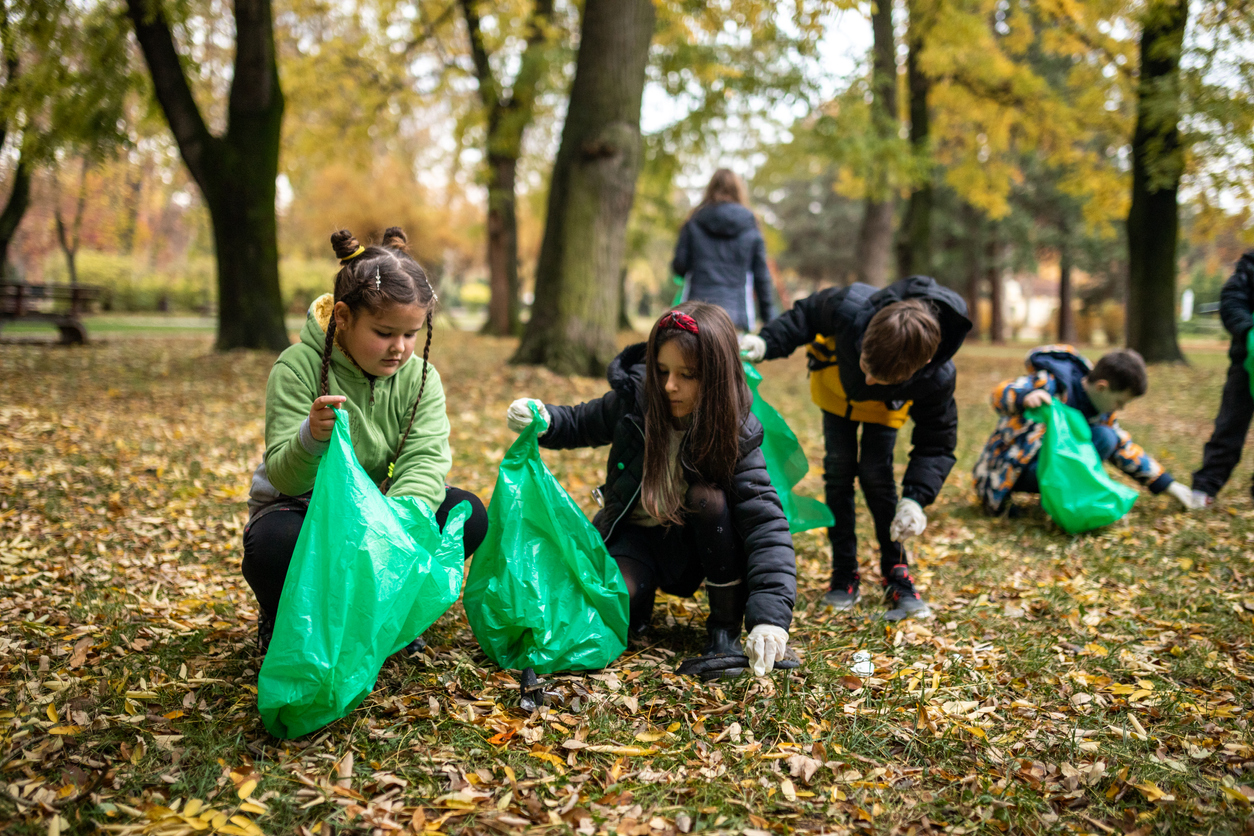
September 23rd is National Public Land Day, celebrated annually on the 4th Saturday of each September. It promotes both the enjoyment of and volunteer conservation efforts for conservation of public lands; it was created by the National Environmental Education Foundation. NEEF aims to make our environment more accessible, relatable, and relevant and connected to the daily lives of all Americans.
NEEF has spent decades cultivating an environmentally conscious mindset through funding community outreach programs, critical STEM/STEAM programming to foster public land conservation and health in K-12 groups, promote environmental literacy, and partnering with diverse groups in local communities to make environmental care accessible and enjoyable for all!

What began as just one federal agency, two sites, and 700 volunteers, National Public Lands Day has grown into the largest single-day volunteer event for maintaining public lands. In celebration of this special day for fostering a strong connection between the public and the environment, it’s also a “Fee Free Day” at all National Parks and Public Lands!

Did you know that even kids and teens can participate in projects? NEEF has a host of youth friendly environmental education resources to help even our youngest community members learn to care for our planet and be environmentally responsible!
30th National Public Lands Day: 70,000+ Volunteers Gear Up to Enhance Parks, Forests, and Waterways Across the Country on September 23! Here’s where you can help locally:
If you’d like to take part in the celebrations, head over to the Grove National Historic Landmark to learn about The Grove’s history, and participate in a restoration work day led by NEEF’s Natural Resources Manager in Glenview, IL.
Celebrate National Public Lands Day by volunteering with Friends of Loomis St. Gardens and Skinner Park Advisory Council. Activities for all ages. No experience necessary. Refreshment and lunch provided.
And Round Lake Logging Dam, Northern Wisconsin is a hub for this year’s efforts, too! US Forest Service staff will host a Fall Colors Photography Tour and BioBlitz at the Round Lake Logging Dam, first constructed in 1876 and restored in 1995. Attendees will have the opportunity to take a walk through history among hardwood and hemlock trees while taking photos of local biodiversity to share with local researchers using the iNaturalist app.
Here’s some great National Parks to explore!
- Apostle Islands National Lakeshore in Bayfield, WI encompasses 21 islands and 12 miles of mainland coastal protected areas. In addition to the incredible bluffs on the shores of Lake Superior, it’s also home to the largest collection of historic lighthouses in the nation!
- Chequamegon-Nicolet National Forest in Rhinelander WI spans a jaw dropping 1.5 million acres of unspoiled wilderness across Wisconsin’s Northwoods. You’ll find no shortage of outdoorsy activities such as canoeing, hiking, cycling, paddling, cross-country skiing, camping, fishing, and more.
- Shawnee National Forest in Herod IL encompasses 289,000 stunning acres of parkland located in Southern Illinois and nestled between both the Ohio and Mississippi Rivers. Visitors will find breathtaking scenic views from the top of great canyons and sandstone cliffs, and stunning crystal clear waters and rocky streams. The many lakes, ponds, waterfalls, rivers, and streams of the area are perfect for fishing and swimming, and the sprawling prairies and woodland trails are perfect for hiking, cycling, trail running and more.
- Upper Mississippi River National Wildlife and Fish Refuge in Thomson IL is the longest, contiguous river refuge in the continental US at 261 miles in length! The refuge includes protected wetlands, islands, marshes, and floodplain forests, many of which are accessible only by boat. Some portions of the refuge are open to seasonal hunting, trapping, and fishing but they do have very restrictive regulations.
Amazing State Parks to explore in Illinois all year round:
- Rock Cut State Park in Caledonia
- Moraine Hills State Park in McHenry
- Matthiessen State Park in Oglseby
- Ferne Clyffe State Park in Goreville
- White Pines Forest State Park in Mt Morris
- Mississippi Palisades State Park in Savanna
- Lowden State Park in Oregon IL
- Apple River Canyon STate Park in Apple River
- Lake Le-Aqua-Na State Park in Lena
- Kankakee River State Park in Bourbonnais
- Staved Rock State Park in Oglesby
- Buffalo Rock State Park in Ottawa IL
- Cave-In-Rock State Park in Cave-In-Rock
- Illini State Park in Marseilles
- Chain O’ Lakes State Park in Spring Grove
- Glacial Park Conservation Area

When you’re visiting national parks and preserved public lands, be sure to be a conscientious visitor!
Be sure to abide by these tips and rules for responsible and eco-conscious behaviors:
- Be prepared for anything. National public lands are wilderness environments, and some are quite far from “civilization.” Be sure to pack enough food, water, and emergency supplies for your whole party.
- Live by the Leave No Trace principles. Whatever you bring into the public lands and parks needs to make its way out with you. Whether the garbage is man-made or natural (fruit peels, veggie waste, pits and seeds from fruit, etc) it all needs to leave when you do. This helps prevent growth of invasive species, or cluttering our trails with garbage. Check out our previous blogs for convenient car accessories for camping and trash collection.
- Never feed wildlife or animals. Wild animals depend on instinct and natural foraging skills to survive; visitors who feed wildlife can inhibit the animals self-sufficiency. Animals who depend on handouts from humans can be destructive and invasive as well as endangering the survival of their own species.
- Always read the posted signage at the entrance and within the parks. Signs posted in and around national parks and public lands are there to protect you as much as they are the wildlife and environment. Adhere to posted signs to stay on the trails, conceal your food, or avoid specific areas, etc.
- Know your limits and keep it close. Adhering to openings and closings of parks will help ensure your safety and wellbeing. The same can be said of not taking risks such as exploring “uncharted” areas or going off trail in posted areas. We’re in the midst of a global pandemic, battling environmental issues such as widespread forest fires and flooding, and it is creating a crisis for first responders and medical professionals. Being conscious to mind the rules and regulations of parks can prevent unnecessary accidents such as injury or death, both in the parks and in the general public, due to a lack of timely response or shortage in supplies and rescue equipment.
Check out this list provided by the NPS in the US for additional information and precautions.
![[Facebook]](https://www.classickiaonline.com/blogs/294/wp-content/plugins/bookmarkify/facebook.png)
![[LinkedIn]](https://www.classickiaonline.com/blogs/294/wp-content/plugins/bookmarkify/linkedin.png)
![[Twitter]](https://www.classickiaonline.com/blogs/294/wp-content/plugins/bookmarkify/twitter.png)
![[Yahoo!]](https://www.classickiaonline.com/blogs/294/wp-content/plugins/bookmarkify/yahoo.png)
![[Email]](https://www.classickiaonline.com/blogs/294/wp-content/plugins/bookmarkify/email.png)
Connect with us


- 2026 Kia Sportage Performance and Features for Illinois Drivers
- Top 5 Features of the 2026 Kia Sportage Hybrid
- A First Look at the 2027 Kia Telluride
- Celebrate the Holidays by Gifting a Road Trip to the Michigan Ice Fest 2026!
- Extending the Spirit of The Giving Season: Great Ways to Give Back to the Community For the Holidays (Lake County, Waukegan Area)
Recent Posts
 Warranties include 10-year/100,000-mile powertrain and 5-year/60,000-mile basic. All warranties and roadside assistance are limited. See retailer for warranty details.