


- Kia presents bold ‘Opposites United’ design exhibition, which offers new approach to delivering sustainability solutions, at Milan Design Week
- Kia to prioritize design that overcomes divergence of human everyday needs and essential sustainability requirements
- New Kia EV9 exemplifies new approach and utilizes a range of innovative sustainable materials, to deliver a premium look and feel, setting new standards for sustainable mobility
- Brand’s first global exhibition nominated for ‘Fuorisalone Award’ which recognizes the ‘best’ of the Milan Design Week
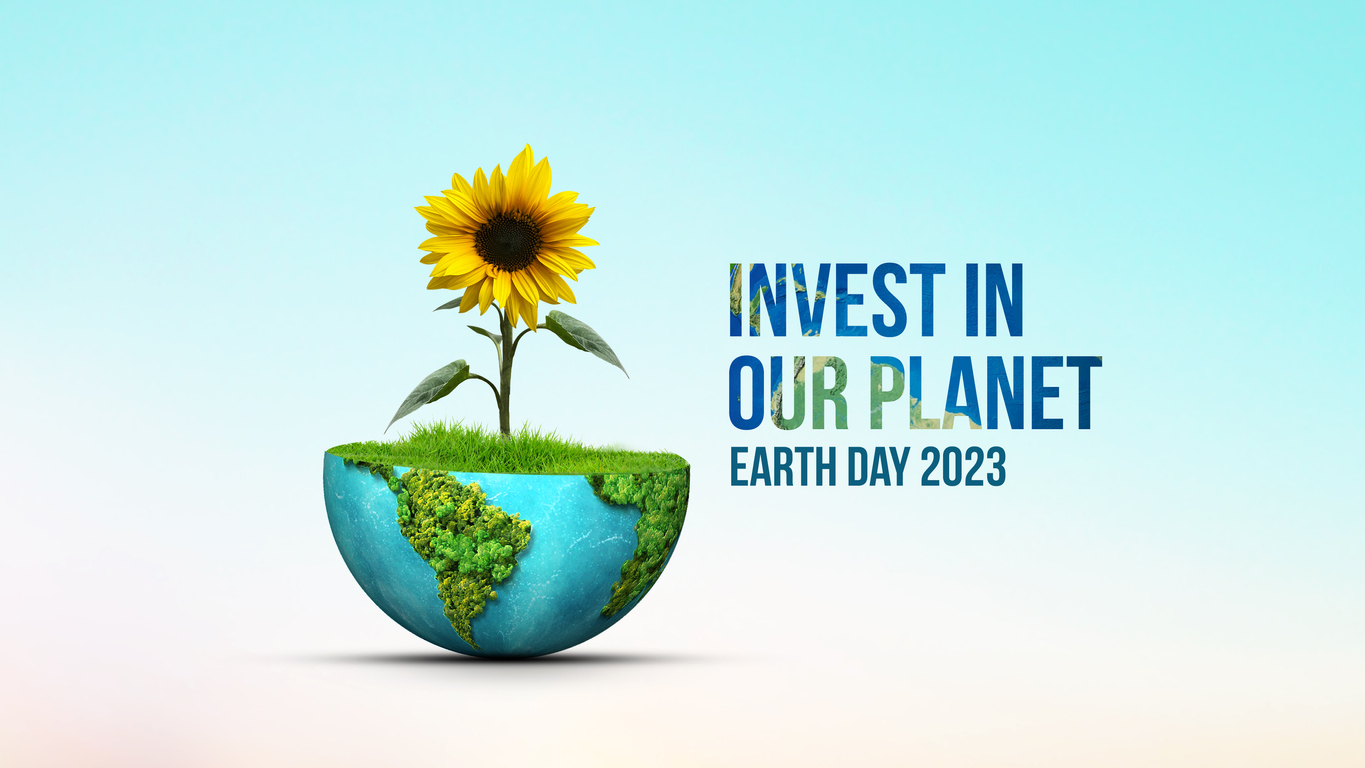
Here at Classic Kia, we’re so proud to be a part of a manufacturing and automotive brand that is so committed to sustainability and environmental responsibility. Earth Day may be but once a year, but at Kia, the advancement for human and environmental wellbeing is an everyday effort!
On April 21st in Milan, Italy, Kia presented an impressive “Opposites United” design exhibition, sharing the company’s vision for a new approach to sustainability solutions. Kia is setting goals to prioritize designs that work with humanity’s evolving need for mobility and harmonizing these concepts with essential environmentally responsible practices. The company hopes that this innovative approach will improve customer experience, advance mobility and design, and transform the products for modern lifestyles, all while keeping environmental concerns in mind to leave a positive, lasting legacy behind for future generations.
Karim Habib, Executive Vice President and Head of Kia Global Design Center, commented: “Kia is crafting transformational products that are desirable and balance the contrasts between environmental responsibilities and modern life. Through this approach, we aim to create authentic and inspiring experiences for our customers, which enable them to foster greater societal connections and pursue a better quality of life.”
The Kia EV9 is just one of many planned vehicles that utilize a range of sustainable materials and innovative designs to create an automobile with modern amenities, sleek design, and reducing the environmental impact of transportation. The EV9 is the first model which embraces the three-step Design Sustainability Strategy. The Design Sustainability Strategy initiative plans to phase out the use of leather; increase the use of bio-based materials such as corn, sugar cane, and natural oil; and apply 10 “Must-have” sustainable items to all new Kia models. Kia will also continue to fulfill its commitment to increasing the use of recycled plastics used to 20% by the year 2030, and aims to achieve full carbon neutrality by 2045.
“Kia’s design philosophy represents far more than just the way our cars look,” said Ho Sung Song, Kia President and CEO. “It reflects our commitment to compatibly advance two crucial areas which have come to be at odds with one another: human mobility needs and environmental sustainability.”
“With the ‘Opposites United’ design philosophy, Kia aims to demonstrate its innovative approach that enriches customers’ experiences while leaving a positive legacy for future generations,” Song added.
Kia’s ‘Opposites United’ design philosophy is based on five key design pillars, each of which was illustrated in a dedicated space as part of the Milan exhibition: Bold for Nature; Joy for Reason; Power to Progress; Technology for Life; and Tension for Serenity.
Bold for Nature
Bold for Nature is based on interaction with and informed by the details, shapes and proportions found in both the natural and human worlds. It is about both embracing nature and making a positive mark on the world. This design pillar creates organic yet technical structures and finishes for vehicle interiors. Exterior designs are characterized by a combination of clear and simple lines with bold, ever-changing surfaces.
The Bold for Nature space shows the promise of harmonizing in front of large nature representations, acquiring teachings and finding fundamental motifs therein. This work contains a message for human beings to pursue bold beauty with respect for all things in nature. Speakers include design critic Alice Rawsthorn and landscape architect Bas Smets, with an evening performance by electronic music producer Pantha du Prince.
Joy for Reason
Joy for Reason focuses on experiences that spark joy, which will influence the feel and ambience of Kia’s future vehicles. It stands for playful products, touching experiences, and new interactions. Future designs embracing Joy for Reason will fuse the emotional with the rational, creating vehicles that influence their passengers’ moods by relaxing and inspiring. It will also influence the adoption of new organic materials and more daring colors, expressing a sense of youth and playfulness.
The Joy for Reason space depicts the promise of Kia Design to turn even mundane experiences into unexpected joyful memories. Speakers include writer Pr. Helen Hester, and producer, actor, and editor Carlo Antonelli, with a classical evening performance by the quartet of La Scala.
Tension for Serenity
Tension for Serenity evokes the tension between opposing forces and creative contrasts. It embraces the equilibrium that comes from two opposing forces and encompasses bringing order out of chaos and purpose to the future. Applied to automotive design, Tension for Serenity delivers striking design concepts that use sharp, highly technical details to create surface tension and realize a harmonized, future-oriented vision.
The Tension for Serenity space brings tranquility through eloquence and harmony at all boundaries where there were conflicts or opposite elements. Speakers include NTS Radio Founder, Femi Adeyemi, and composer and sound designer Nicolas Becker, with an evening performance by singer-songwriter Alewya.
Technology for Life
Technology for Life embraces new technologies and innovations to foster positive interactions between humans and machines. It focuses less on devices themselves and more on the way humans engage with them, hinting at future Kia products that will adopt a next-generation in-car user experience (UX). This will be achieved through design innovation and advancements in lighting, feel, and in-car connectivity – all with the goal of helping customers engage with their cars.
The Technology for Life space contains content based on technology and know-how accumulated by Kia Design. It shows Kia’s commitment to becoming a partner that can help customers make important memories in life. Speakers include designer Bethan Laura Wood and design curator Marco Sammicheli. In addition, evening performances feature electronic music by Talpha.
Power to Progress
Finally, Power to Progress stands for the drive to move forward, onward, and upward. In the context of design, this means building on the brand’s current strengths. By drawing on and developing the skills and expertise learned throughout Kia’s recent design-led transformation, the designs and layouts of the brand’s future products will continue to evolve. Future designs will draw on experience and creativity to invent and innovate.
The Power to Progress area illustrates how human beings can pursue happiness by harmonizing their goals with nature and experiences. Speakers include curator Andrea Lissoni and philosopher Emanuele Coccia. Evening performances feature musician, sound designer, and drummer Missing Ear; pop music producer Hudson Mohwake, and electronic music DJ Afrodeutsche.
Besides the guiding principle of the ‘Opposites United’ philosophy, Kia’s future design will also embrace the company’s new Sustainable Design Strategy. This three-step initiative outlines ways to improve the sustainability of the materials used in building its cars:
Action 1 stands for ‘Leather free,’ meaning Kia will completely phase out the use of animal-sourced leather in all its future products – starting with the EV9. Replacing leather and PVC (Poly Vinyl Chloride) with recycled materials will reduce the use of toxic chemicals as well as the amount of carbon emitted during the production process.
Action 2 denotes ‘Ten must-have sustainable items.’ This step defines a baseline of ten sustainable materials – recycled, organic, or biodegradable – which will be applied to all Kia models in the future.
Action 3 stands for ‘Bio fabrication,’ the ambitious goal of developing new, bio-based materials for use in cars. Successful tests have already been carried out with mycelium, which is found in the root structure of mushrooms. To accomplish this, Kia is partnering with startups and innovators and investing in research and development to grow new materials for its cars.
Kia has a long history of integrating sustainable materials into its products, starting with the use of bioplastic and sugar cane bio-fiber through the second-generation ‘Soul EV’ in 2014. Now, Kia’s environmentally friendly materials range from eco-processed leather and vegan alternatives to recycled plastic waste, and even recycled ghost nets which were retrieved from the ocean.
![[Facebook]](https://www.classickiaonline.com/blogs/294/wp-content/plugins/bookmarkify/facebook.png)
![[LinkedIn]](https://www.classickiaonline.com/blogs/294/wp-content/plugins/bookmarkify/linkedin.png)
![[Twitter]](https://www.classickiaonline.com/blogs/294/wp-content/plugins/bookmarkify/twitter.png)
![[Yahoo!]](https://www.classickiaonline.com/blogs/294/wp-content/plugins/bookmarkify/yahoo.png)
![[Email]](https://www.classickiaonline.com/blogs/294/wp-content/plugins/bookmarkify/email.png)
Connect with us


- 2026 Kia Sportage Performance and Features for Illinois Drivers
- Top 5 Features of the 2026 Kia Sportage Hybrid
- A First Look at the 2027 Kia Telluride
- Celebrate the Holidays by Gifting a Road Trip to the Michigan Ice Fest 2026!
- Extending the Spirit of The Giving Season: Great Ways to Give Back to the Community For the Holidays (Lake County, Waukegan Area)
Recent Posts
 Warranties include 10-year/100,000-mile powertrain and 5-year/60,000-mile basic. All warranties and roadside assistance are limited. See retailer for warranty details.