
Today: 9:00AM - 7:00PM

Blog

All Arts and Culture Classic Kia Classic Kia News Featured Local Things To Do Food and Drink Travel Blogs Waukegan Kia Dealer Pets and People Kia Models Waukegan Kia Service Kia Information New Inventory Gift Guides and Gadgets Waukegan Used Cars
Indiana Dunes State Park

Springtime in the Indiana Dunes State Park

With the spring sunshine and lengthening days, we’re hankering to get out there and enjoy nature!  Today, we’re sharing a great guide for super springtime sites and activities in the Indiana Dunes State Park. Located along the southern shores of Lake Michigan, you’ll find no shortage of outdoor thrills and activities here all year round!  From exploring the sand dunes to hiking the trails to biking and bird watching, there’s something for every outdoor enthusiast.  Spring is the perfect time to visit, too, as you’ll avoid the heavy crowds of summer tourism and be able to enjoy a nice peaceful visit. more Have you been to the Indiana Dunes National or State Parks? Tell us about your favorite things to see or trails to hike in the comments! Let’s take a look at some of the top attractions and activities to try while you’re there! The Cowles Bog Trail is a moderately challenging almost 5 mile loop near Dune Acres, shaped like a balloon on a string with a straightaway and then a loop.  This gorgeous trail walks along the marsh and through the woodlands leading to the lake.  It has a beautiful boardwalk and trail through several habitats with plenty of animals and birds to observe!  In the spring, you’ll notice the ferns unfurling and wildflowers blossoming, making a beautiful painterly backdrop.  There are some hills on the route, so it may be challenging to some visitors.  You’ll observe marshes, wetlands, woodlands, shoreline, and beach habitats, so get that camera ready to spot some beautiful creatures along the way. Enjoy some Wildflower spotting along Heron Rookery Trail, Paul H Douglas Trai, and Tolleston Dunes Trail. Flowers in these areas are in peak bloom in late April and mid-May, though some flowers linger until June!  Flowers in this area include violents, buttercups, wild ginger, spring beauty plants, dutchman breeches,wild lupine, butterfly weed, prickly pear cactus, and more! Traditional GeoCaching and EarthCaches are available for adventure seekers of all ages!  With traditional geocaching, visitors can go on a hunt for secret areas with different locations, then take a picture and sign the guest book to mark their visit. Some geocachers also leave behind small treasures in the hidden containers for others to find. EarhCaches are special locations that you can visit with unique characteristics and find educational notes with fun facts and make their own scientific observations.  Experimental and unique caching options such as Lab Caches and Virtual Caches are limited, but are located at various locations in the park and surrounding areas. Caching sites are located at Chellberg Farm, Mt Baldy, Kemil Beach, Cowles Bog, Portage Lakefront and Riverwalk, West Beach, Miller Woods. Explore the Bailly Homestead National Historic Landmark and Chellberg Farm. This trail allows you to visit two historic sites in one fell swoop.Once the home of Joseph Bailly de Messein, a fur trader and one of the first settlers in the region whose trading post served as a meeting point for those traveling between Detroit and Chicago.  The trail here is about 2.5 miles, leading you past the homestead and cemetery and through the forests and on to the farm.  You’ll follow a stretch of the Little Calumet River, and check out the recently restored Mnoke Prairie!  The Chellberg Family were swedish immigrants who farmed the land from 1870 through the early 1900s. It’s a live working farm, and you can also enjoy tours! Visit the Little Calumet River Water Trail or walk along the 15 miles of beaches on the shores of Lake Michigan to catch fantastic spots for fishing, kayaking, paddling, and other aquatic pursuits.  For those who prefer to stay on dry land, you’ll enjoy a wide array of hiking and biking trails nearby that are perfect for picnics and camping as well.


Garden flowers # 53 XXXL

Celebrating National Garden Day with Tulip Farms near Waukegan, Local Garden Centers, and more!

We’re so happy it’s Spring, and what perfect timing that today is National Gardening Day!  We are very excited to spend our day planning out our gardens and prepping the beds. Or maybe we’ll head out and take a walk through the botanical garden and enjoy some gorgeous flora. Or maybe we’ll explore the local garden centers and select some new house plants for our indoor gardens, too!  No matter how you choose to spend the day today, rest easy knowing that gardening and spending time in flowers and plants is great for your health, so there’s never a better excuse to take a day off and tiptoe through the tulips! more Let’s explore the local tulip fields nearby and take some gorgeous spring family photos!   Tulip season is very fleeting, just a few weeks in April and maybe early May, so make sure you visit soon. Sunken Gardens at Phillips Park in Aurora Kuipers Family Farm Midwest Tulip Festival in Maple Park Flowers on Fargo in Geneva Tulip Fields At the Morton Arboretum in Lisle Tulips at Lilacia Park in Lombard The “Tulip House” at Oakbrook Center in Oak Brook Cantigny Park in Wheaton If you think of yourself as more of the DIY type, there's no time like the present to get out there in the dirt. Gardening has some truly wonderful benefits for your mind, body, and soul! You can boost your mood with just 30 minutes of gardening thanks to its ability to lower the stress hormone cortisol. It’s fantastic physical exercise and aerobic activity to help you raise your heart rate and break a sweat. It can improve your mental health by boosting confidence, increasing a feeling of happiness and satisfaction, and a dose of healthy self-esteem from a successful venture. Gives your body a boost of Vitamin D from working outdoors in sun! Hitting the stores for some new flowers or houseplants? Let us help you learn how to Transport Plants safely in your vehicle! You’ll need the following: Cardboard boxes, foldable storage bins, laundry baskets Sheet cake pans Small towels Small plastic bags or trash bags Recycled newspapers Optional: nonskid mats for your trunk, floor, hatchback First things first, line your car with the nonskid mats.  Next, line up your cardboard boxes or bins side by side. If you’re transporting smaller plants, sheet pans are a great option!  Wrap the bottom of the pots in plastic bags or newspaper to prevent dirt and moisture from getting into your vehicle.  Then, place your plants gently into the boxes or bins, grouping small plants together closely as possible, and medium or large plants in their own boxes.  Place rolled up newspaper or small towels between the plants to ensure they don’t slide around while driving. If you’re driving a long distance, or making a few stops for more errands, make sure to place low-light plants in the shadier areas of the car, and the ones who like direct sunlight in where they’ll get the most sun to avoid wilting. If you’re taking plants with you while moving house or apartments, you’ll want to make sure the plants are in a temperature-controlled environment so avoid too-hot or too-cold temps blasting from the vents; likewise, if they’re making a big move with you, be sure to give them adequately wet soil before the drive!  You’ll also want to consider pruning your plants before the big move to get rid of dead leaves and the like. Check out our picks for local area garden centers and more!  Then pack up your new Classic Auto Group home with some trunk storage supplies, and get started on your own container garden and urban agriculture project. Garden Centers in the Area: Gurnee Garden Center in Gurnee Buena Vibra Plant Shop in Waukegan Larsen Florists & Greenhouses Mary’s Greenhouse in Gurnee Larsen Florists and Greenhouses in Waukegan Plant House in Waukegan Lurvey Landscape Supply in Park Cit y Country Gardens Garden Center in Lake Villa Pasquesi Home & Gardens in Lake Bluff Country Bumpkin Garden Center in Mundelein Roses & Roses & Roses in Wadsworth Windy City Garden Center in Evanston Reds Garden Center & Fireplace Logs in Northbrook Rolling Hills Nursery in Lincolnshire J&E Nursery in Libertyville Perricone Garden Center & Nursery

service sadfdfasd

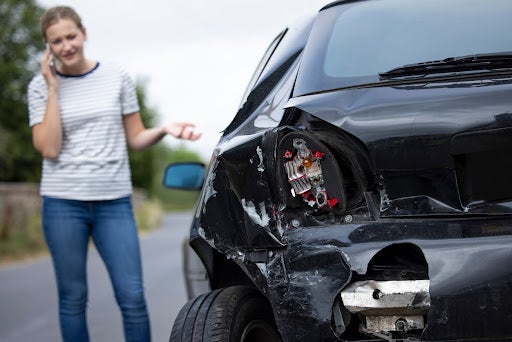
Classic Kia's Car Accident Checklist

On today’s blog, we’re sharing a shortlist of things to remember if you’re ever involved in an accident. Here’s a handy checklist you can print out and keep in your vehicle in case of emergency such as an accident or vehicle collision. Our checklist is intended to be merely informational only, but it may help you keep a clear head to gather all of the necessary information if you’re in a tough spot. more Ways to Be Prepared In Case of a Collision or Car Accident: Keep an Emergency Car Kit in Your Trunk or Backseat with the following: Bottled Water Basic First Aid Kit Flashlights Blankets Jumper Cables LED Flares Blanket/Towels Note Pad and Pen/Pencil Always make sure you have the following items in your glove compartment or on your person: Updated license and registration Copies of your insurance ID cards Emergency contact information of friends/family What to do if you’ve unfortunately been in an accident or collision with another vehicle: Take a deep breath, stay calm, and assess the situation.  You’ve just been involved in a stressful and frightening situation, so emotions will be running high! Do your best to stay calm and collected, and assess the scene and safety of your passengers. Stop your vehicle, turn on your hazards, and turn off your engine. Assess the situation as best you can, and determine if it is safe to exit your vehicle. If the vehicles pose a threat to traffic or other drivers, and it is safe to do so, get your vehicles moved to the side of the road and out of oncoming traffic.   Take photographs of the situation as best you are able before moving any vehicles; this may be helpful to insurance/law enforcement’s ability to assess cause/fault. Get yourselves to safety if you are unable to move the vehicles; find a safe space in the median, the shoulder, or other safe distance from oncoming traffic or dangerously damaged vehicles. Contact 9-1-1 or local law enforcement and let them know that you have been in an accident.  The operator or local police will arrange for an ambulance and officer to arrive on-site and assess all parties. Stay calm, avoid getting into arguments, and be sure to have a clear exchange of information with the other party/parties involved: Their name, age, address, phone number, work number/employer info if possible Car insurance company and policy number and policy expiration date License plate number for the driver/owner of each vehicle Thoroughly document the situation (for use with your personal injury lawyer and insurance claims agent): Note the date, time, and weather at the time of the incident. Take photos with your cell phone or camera. Create a simple diagram of the incident and the vehicles involved and direction of travel. Document the condition of each car Document any injuries to all involved persons/pets and note if the person is a driver, passenger, pedestrian, or member of the other party Request medical assessment and seek medical help. If you feel you have been seriously injured on site, request transport to a hospital or local emergency room. If you do not feel immediate transport is required, call and schedule a doctor’s appointment ASAP and let them know you’ve been in an accident. File an accident report, and pick up a copy at the police station or via the Department of Motor Vehicles website.  Report the accident to your insurance company, even if you think the other driver is at fault.

View of WInona, Minnesota from Gavin Heights

Classic Kia's Road Trip Guide to Midwest Music Fest 2024 in Winona, Minnesota

Let’s Visit the Mid West Music Fest in Winona Minnesota! We’re getting ready to take the first road trip of the season!  We’re headed out to Winona in Minnesota for the MidWest Music Fest for two jampacked days of incredible music with more than 100 different artists!  It’s the perfect spring celebration for music lovers, because you can enjoy all of your favorite genres from folk to indie rock to funk and more. more While we’re there, we’re also going to make it a little mini getaway trip, just to decompress, destress, and enjoy a little more time away from work.  So come on and join us as we explore Winona on today’s travel blog. Winona is a fantastic destination filled with just about everything you can think of! If you’re into nature and the outdoors, there are plenty of trails to hike or bike, and the gorgeous Great River Bluffs State Park. Enjoy a beautiful low-key stroll or bike ride down the 1.5 mile trail while you do a little bird watching at the Prairie Island Nature Trail. Or give yourself a little challenge by visiting John A. Latsch State Park for some incredible vista points overlooking the Mississippi River Valley.  Adventureseekers will find plenty of thrills with intermediate and challenging trails for both hiking and cycling at Garvin Heights Park. If you love boating and canoeing or kayaking, you’ll definitely want to book a tour with the Broken Paddle Guiding Co. for an incredible guided look at the wilds along the Mississippi River, or bring your own canoe in tow and row through the Mississippi River Water Trails. As you may already have gathered from previous travel guides, we’re also a bunch of history buffs here at Classic!  One of our favorite things to do when we take a road trip is to get to know the local history through museums, historic sites, and cultural touchstones.  Winona is home to the Dakota Nation, and hosts special ceremonies and events such as the Winona Dakota Gathering Homecoming & Powwow”, created to honor and respect the indigenous peoples of the land through the Winona-Dakota Unity Alliance at Unity Park. As you walk through town, you must stop by the historic downtown and explore the historic buildings and architecture like the Pickwick Mill and Bunnell House. And of course, be sure to stop by the Winona County History Center, Watkins Heritage Museum, Kashubian Cultural Institute and Polish Museum, Castlerock Museum, and our personal favorite: The Remlinger Muscle Cars & Event Center! Extend your appreciation of the arts after the music festival and enjoy the beautiful curated collections at the Minnesota Marine Art Museum, or take in a live event or film showing at the Winona Arts Center. As for lodging, there are several charming Bed and Breakfast options in the area, such as the Alexander Mansion Historic B&B, the Carriage House Bed & Breakfast, and the Big River Escape Grandview Manse villa.  If you prefer to book with larger hotels, there is a Best Western Plus, the Hampton Inn, and more!

Young Latin Female Trying To Get Out Of A Car. She Is Giggling

Gearhead Guru Guide: Common Car Problems and How to Stay Ahead of the Game with Maintenance

We love to impart our knowledge of cars to our friends, clients, and readers so they can be better prepared in any situation!  Improve your knowledge of car care with our latest series, the Gearhead Guru Guide.  Our guides are chock full of helpful tips, tricks, and things to look for so you can head off large, costly repairs before they happen!  Learn how to diagnose those strange noises, how to prevent those pesky warning lights from popping up too often, understand who to contact for professional assistance, and save yourself a lot of headaches along the way. On today’s blog we’re going to go over some common car problems and what to expect.  While these may seem like obvious choices, for a first time car owner, sometimes even the small stuff can seem overwhelming!  With our latest guide, we’ll help you stay calm in a sticky situation.  Let’s talk about common car issues and how to avoid them. more Suspicious Fluids Leaking Let’s learn how to identify fluid leaks by color and location, so we know what to expect when we bring the vehicle into the shop! If you notice a spot under your vehicle that is pink , yellow, or green hued, and it smells slightly sweet, this is a coolant leak.  Antifreeze usually leaks out of the front part of your vehicle, near the engine, but it may also leak from the exhaust pipe.It’s imperative to bring your vehicle into service immediately for this, as low coolant levels can cause engines to overheat and potentially seize. If you notice a liquid that is translucent red to dark red or reddish brown, that means it’s transmission fluid. You’ll notice these leaks under the vehicle around the midsection.  This is another imperative repair need, as it may be something like a minor leak, or more seriously a major engine problem. Power steering fluid is a reddish brown fluid, and sometimes is easily confused for transmission or oil leaks.  You’ll notice a power steering leak as pinkish or reddish spots underneath the vehicle. Brake fluid leaks will look like a puddle of light yellow, amber, or brown fluid underneath the vehicle. You may also notice the brake pedal feels soft when pressed, which means air is getting into the lines through a leak. Engine oil is a very common fluid leak. It will look black, and may have a slight shimmer to it, with a light burnt odor.  You will notice this leak more towards the front of the vehicle, under the engine. This may be a small issue like the oil pan being knocked out of place or an old oil filter, easily remedied by an oil change. However, it may be something larger like a cracked oil pan or even faulty engine valves.  Make sure you bring your car in for a service and oil change, but be sure to add a quart or so of the missing oil until you can get the car into the shop safely. Illuminated Dashboard Lights The first time those little dash icons light up can be nervewracking, especially the infamous “check engine” or “service soon” light!  But those warnings are exactly that, a warning so you’ll know to bring your vehicle in before the problem has become overwhelming.  The sooner you can bring your vehicle in to a service center for a diagnosis, the better. Let’s take a look at some common warnings (Specific symbols or phrasing will vary for each make/model of car, so you can consult your owners manual for accurate icons.) ABS - this indicates an issue with your ABS system, and that it has been deactivated due to a malfunction, a sensor issue, or low levels in the fluid reservoir. You’ll want to drive more carefully and avoid aggressive braking if this illuminates while you’re on the road. If this comes on at the same time as the Brake System light comes on, stop driving and have your vehicle towed to the mechanic asap as it’s no longer safe to drive. Check Engine Light - This light strikes fear into the heart of most drivers, but the truth is that it is a very ambiguous warning. It could be something as simple as a loose wire or loose gas cap, or it could be something larger at play with the engine.  The best bet is to bring the vehicle in for a diagnostic test. Your mechanic will be able to determine the problem and clear the road with an OBD scan. Oil Pressure Light - This can indicate that your vehicle has low oil levels and need a top off, or may mean there’s a leak and low oil pressure, which can damage your engine if you continue to drive. Tire Pressure Light - This one is a simple alert and solution. Your tires are under-inflated, signifying low tire pressure which is remedied by putting air in the tire. If that doesn’t fix the problem, there may be a puncture or leak which can be patched by your local service center.  To inflate your tires to proper pressure, check the inside sticker on your driver’s side door, or your vehicle owner’s manual for the right PSI. Temperature Warning Lights - The engine temperature light indicates a possible coolant leak, water pump issue, broken thermostat, or other serious engine problem. You should bring this in for a diagnostic straight away. Fuel Light - If this is illuminated, you’ll need to stop by a gas station to fill up ASAP. This means you’re low on fuel and if you continue to drive it may stall out and require a tow. Easy Mileage Milestones for Maintenance Making sure to hit your regular service appointments when they’re due is a vital step to keeping your car running like new for years to come. Every 3,000-6,000 miles - Have your vehicle’s oil changed. Every 6,000 miles - Make sure to get a tire rotation and an alignment. Every 30,000 Miles - You’ll want to do a full service call each 30k miles for the following: oil change and system check, cabin air filter replacement, tire inspection and balance, spark plug check/replacement, fluids top off, engine tune up, timing belt inspection Every 50,000 Miles - Replace your shocks/struts. Every 60,000 miles - Repeat the same checks as your 30k appointment, as well as the belts, hoses, tire treads. Every 100,000 miles - Select a high-mileage engine oil and coolant, change the spark plugs. If you’re in need of a repair or service on your vehicle, or need to schedule a regular maintenance appointment, our service center is here to help! Give us a call at Classic Auto Body of Waukegan and we’ll be happy to help and get your car back on the road in no time!

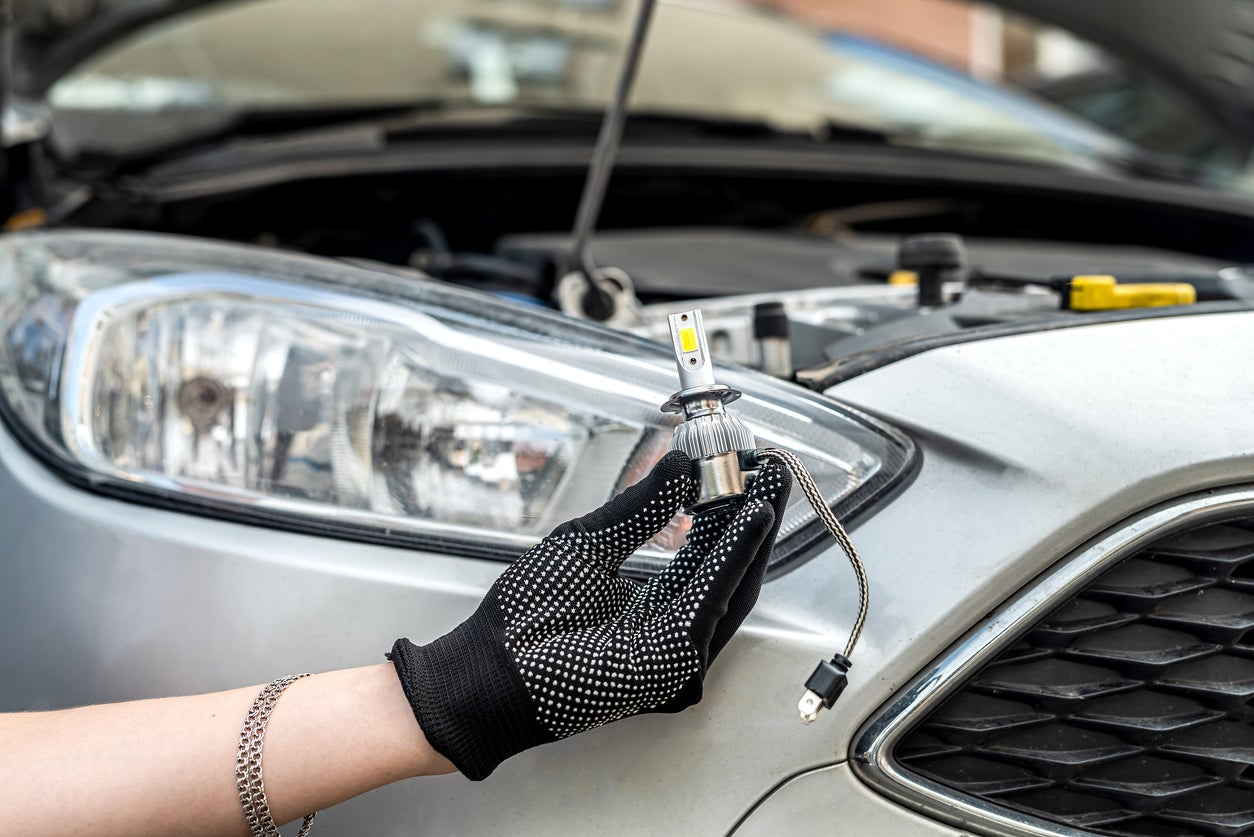
male hand holding modern LED h7 bukb near headlamp

National Car Care Month Tip: How to Maintain and replace Your Headlights, Brake Lights, Tail Lights

It’s National Car Care Month!  All month long during April, we’re sharing our tips and pointers for car care basics so you can ensure your vehicle is running smoothly and maintained in top condition for years to come.  Today’s topic is about headlights, turn signals, brake lights, and parking lights! more Sometimes, a burned-out headlight or tail light will not be the most obvious when you get behind the wheel.  You can prevent accidents or even traffic tickets by performing regular routine maintenance checks on your vehicle’s lights at least once a month. Start by parking your vehicle in front of a flat surface. Turn on your vehicle’s lights and take a walk around the vehicle. Ensure that both headlights and both tail lights are working properly and are clear.  Next, enable your turn signal and walk around the front and back of your vehicle to ensure they’re working on both sides and front/rear.  To check your brake lights, ask a friend or neighbor to stand behind the vehicle as you tap the brakes.  If you notice any bulbs are dim or have gone out, replace them straightaway. If you notice the vehicle’s lights are flickering and fading, or not lighting up at all, this may be a sign of an inferior bulb or a dead bulb. When replacing your headlights, brake lights, and tail lights, ensure that you’re investing in high-quality bulb.  You’ll want something that has longevity, dependability, and clear visibility with consistent light output. Check your vehicle’s owner manual for specifications of which type of bulb is recommended. Visual inspection for quality and clearness should be a weekly once-over to ensure the headlight casings are clear, show no signs of cracks or chips, and are not clouded or foggy.  If you see any excessive dirt or grime buildup, applying a headlight cleaning solution or a simple gentle soap and water solution should clear them up.  Maintain your vehicle’s clear, clean headlights by doing a routine cleaning with a gentle car-safe cleanser or a solution of vinegar and baking soda using a soft microfiber cloth and/or gentle scrub brush; the process should take about 10 to 15 minutes on average for well-maintained vehicles.  Severe oxidation and fogginess may require lengthier sessions  If the issue is more severe, you can purchase a home defogging kit or find some online home remedies for defogging headlight s.  If your headlights appear cracked or have scratches and chips, give your vehicle service center a call to request a replacement by your trusted local mechanic. If you have done all of the above and replacing it with a new bulb has not solved the issue, there may be another problem in play. Sometimes, the issue may be with a fuse, a headlight relay, a headlight switch, a dimmer switch, or even a fault with the electrical wiring.  Most of these issues require the adept hand of an experienced vehicle mechanic. To avoid additional damage or even an accident or traffic ticket, you’ll want to make an appointment with your local service center to get it checked out. Remember: Always pay attention to your vehicle’s alerts and audible warnings!  Leaving your headlights or signals on can potentially drain your vehicle’s battery at a fairly rapid rate. Make sure that you double check and turn your vehicle’s lights of when you park your vehicle!  And, of course, remember the key safety phrase: Wipers on, Lights on for clear visibility and safety in inclement weather. If you’re in need of some troubleshooting for your vehicle’s headlights, give our service center a call here at Classic Auto Body Shop of Waukegan. Our trusted service professionals will have your vehicle back on the road in no time, and will gladly assist you with repairing and replacing headlights to keep you safe.

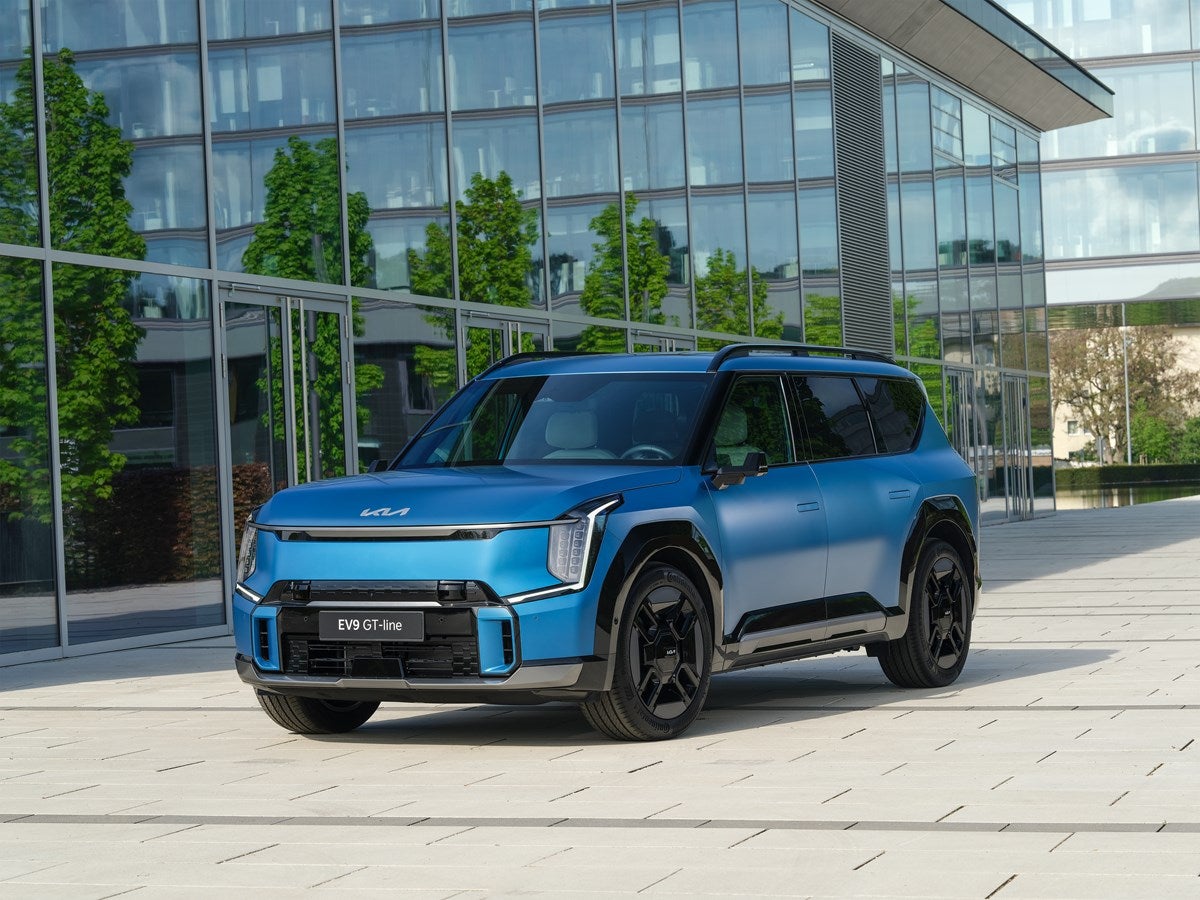
The Kia EV9 Wins Luxury Category in German Car of the Year 2024 Awards

ALL-ELECTRIC KIA EV9 SUV NAMED ONE OF AUTOTRADER’S “BEST NEW CARS OF 2024”

It’s a great year for the Kia, but especially the 2024 Kia EV9!  Adding to the list of achievements for the All-Electric EV9 SUV, it has been recognized as one of AutoTrader’s “Best New Cars of 2024” along with 10 other top vehicles. It’s the fourth consecutive year that Kia has had a vehicle named to the list, too! “Building on Kia’s reputation of delivering vehicles with segment-above excellence, the EV9 brings the three-row SUV into the EV era with available features that matter most,” said Steven Center, COO & EVP, Kia America. more As part of the decision making process, AutoTrader editors tested and scored new models available for purchase within the next nine months which are considered groundbreaking or offer significant value.  Since 2020, Kia vehicles such as the Kia Carnival MPV, Kia Seltos, Kia Sportage, and Kia Telluride have been recognized for their achievements and excellence, with the Kia EV9 joining the champion ranks for 2024. The EV9 is the shining light in a growing lineup of electrified Kia vehicles, making the company an industry leader in that sector. It exemplifies the Kia principles of “Opposites United”, by balancing the creative tension generated by the divergent values of nature and modernity to create a harmonious whole. With generous interior volume, ample cargo space, impressive towing capabilities, leading vehicle dynamics, stunning interior appointments, and convenient fast charging capability, the EV9 stands a cut above the competition. Developed on the proven E-GMP architecture dedicated to electric vehicles with fourth-generation battery technology, the EV9 enhances space with seating for up to seven passengers, with a long wheelbase and flat floor that provide both flexibility and comfort for all. Through integration of some of Kia’s latest in-vehicle technology, vehicle system over-the-air updates2, ultra-wideband-based Digital Key3, and Onboard Power Generator (V2L) functionality4, the EV9 is enabled to continue to evolve throughout the ownership experience. The EV9’s standard 800V electrical architecture enables ultrafast recharging on high-speed DC chargers, designed to go from a 10 to 80 percent state of charge in under 25 minutes5.

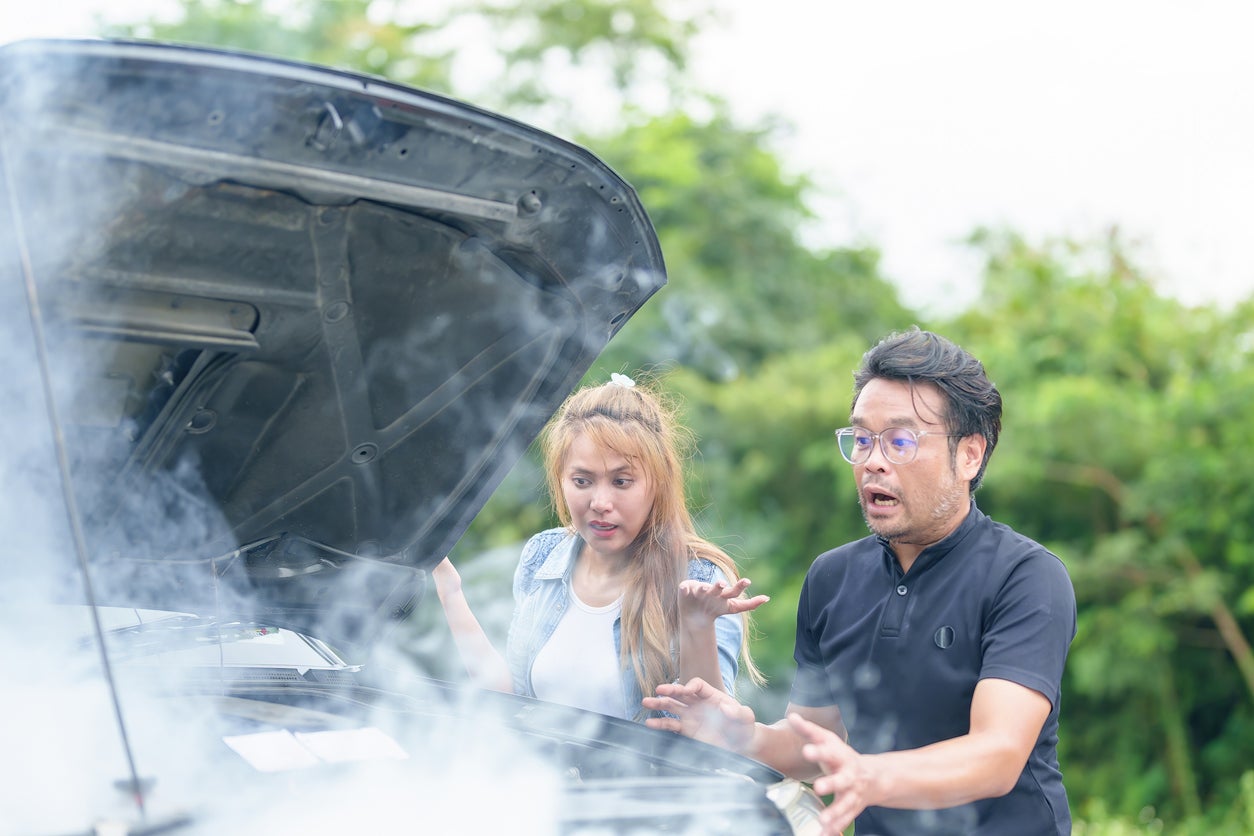
Road victims are shocked after an accident with smoking a car engine. on the road by a broken car in the middle of nowhere Smoke coming out of the engine needs help service tow truck service.

Classic's Gearhead Guru Guide to Common Engine Problems and How to Prevent Them

We understand that not all of our followers are able to devote hours into researching everything there is to know about cars, but that’s where we come in!  We’re launching our new topical blog guide, the Gearhead Guru Guide, in order to help you learn more about your vehicle and talk shop with the best of ‘em. Learn about common car issues and how to prevent them, and as a result extend the life of your vehicle for years to come. We’ll help you gain more confidence in knowing when it’s time to take your car in for service. You’ll also gain some insights on what to expect as a possible diagnosis from the professionals at said service appointment.  So stick around and soon you’ll learn everything there is to know in a mere flash! more Spring is finally here and we’re so excited! While we enjoy the lengthening sunlight and warmer air, many of us are inspired into daydreaming and planning about our Summer vacation plans. But are you making plans to take your car in for its regular Spring service? If not, you should be scheduling that now!  Keeping up with your maintenance this season will help you better prepare for vacation season, and may also decrease the risk of having engine troubles due to long drives or the sweltering Summer sun! Today, we’re talking about common car engine problems and what causes them, so you can head them off before they start and make the most of your vacation time! Flush and change that Dirty/Old Coolant and avoid overheating! For vehicles that are 5+ Years old or have 100,000+ miles on them, bring your vehicle in to a service center for a radiator flush and refilled with fresh coolant. Dirty coolant is rendered no longer effective, leading to rust, corrosion, reduced flow and clogs. If your dirty coolant clogs the radiator, your vehicle is likely to overheat and cause serious damage. Avoid engine misfires, rough idle, and low gas mileage by replacing spark plugs at recommended intervals. Vehicle spark plugs should be swapped every 30,000 to 100,000 miles, depending on the make/model/year of your vehicle. You can consult your vehicle owner’s manual for the proper timeline of replacements. Continuing to drive with a faulty spark plug reduces power to the engine, tanks your fuel economy, and can put a heavy load on vehicles with a catalytic converter. You can do a visual inspection to check if your spark plugs are worn; a normal spark plug will have brown or gray or tan deposits. If the sparkplug is bad, you may notice white deposits and residue, melted electrodes, black dry soot, or even black and oily deposits, which each have their own issues. Bring your vehicle in for a spark plug change and diagnostic to stay ahead of any other related troubles brewing. Don’t ignore any signs of coolant leaks! If your vehicle loses too much coolant, the engine could overheat, resulting in poor performance levels, a significant drop in power, and potentially catastrophic engine damage. You should bring your vehicle in ASAP for a service repair if you notice any coolant leaking. If it happens while driving, the damage could happen very quickly depending on the temperature, speed at which you’re driving, and how little coolant remains – you could have minutes before it overheats.   You can check for signs of a coolant leak around the radiator cap, the hoses in the engine compartment, and also on the actual radiator itself.  Sometimes, a leaking hose or hole in the radiator may be a slow leak, and may not overheat quickly.  Additionally, there is a significant environmental safety issue with leaking coolant, as the sweet smell often attracts household pets, wildlife, and sometimes even children, who may ingest it and face toxicity issue. So if you notice or suspect a leak in the collant, bring it in ASAP! Don’t skip those oil changes and remember to regularly check your vehicle’s oil! Proper lubrication is key to ensuring your engine works properly by reducing friction and preventing overheating. Skipping engine oil changes can lead to increased emissions, overheating, poor fuel economy, increased wear on the engine, and potentially catastrophic engine failures. The average oil change should be performed every 3,000-6,000 miles, but you’ll want to consult your owners’ manual for specifics on your make/model and year vehicle. (Some synthetic oils allow up to 10,000-15,000 miles between changes in specific cases.)  Check your oil regularly to make sure it is clean and clear; if it looks dirty and dark or sludgy, bring it in for an oil change and inspection ASAP to ensure no further damage is occurring meanwhile. Other common culprits of engine troubles your mechanic may bring up include (but are not limited to) damaged oxygen sensors, lean or rich air and fuel mixtures, worn combustion parts, bad fuel injectors,and more. If you suspect any engine issues may be affecting your vehicle, you can call Classic Auto Body Shop of Waukegan and we’ll help you get your vehicle in tip-top shape.

Books for sale on the street

Support Your Local Library: Community Resources and Support in Our Own Backyard Here in Waukegan and Lake County

Did you know that your local Library is more than just a hub for great reading material?  That’s right! This pillar of the community is a great resource for job hunting, learning a new computer program, discovering more about local history, and even a great place to get free passes to local museums or the zoo!  Additionally, libraries are a wonderful resource for socializing and getting to know your neighbor, as many libraries are host to community outreach programming, special workshops and educational lectures with locals in our community!  They’re a vital part of what makes each of our towns a wonderful place to live and work. more We’re celebrating today with a great list of books you can check out at your local library in physical copy, or through apps like Libby, Hoopla, and even Kindle, but we’re also sharing some of the great resources available to us as local citizens.  You don’t want to miss these amazing opportunities! Here are the Libraries in Lake County, Illinois: Lake County Public libraries offer residents an amazing opportunity to engage with local history at each location as well as borrow from a wealth of materials both online and in person.  Here are a list of the local libraries that participate in this network: Antioch Public Library District Barrington Area Library Main Branch Cook Memorial Public Library Deerfield Public Library Ela Area Public Library District Fox Lake Public Library Fremont Public Library Grayslake Area Public Library Highland Park Public Library Lake Bluff Public Library Lake Forest Library Lake Villa Public Library North Chicago Public Library Round Lake Area Public Library Vernon Area Public Library Warren-Newport Public Library Wauconda Area Public Library Waukegan Public Library Zion-Benton Public Library What resources are available at the Waukegan Public Library? Learn about Geneology and Local History Search for Jobs and learn about local businesses Access local government information and important paperwork/forms Receive assistance with citizenship and immigration paperwork and find an agency Receive passes for free or low-cost admission discounts to museums in Lake County (full list on the library website) Enjoy some early-learning opportunities for parents and caregivers with young children Check out rotating exhibits of artwork or the Stimson Sculpture Garden Access Printers, Fax Machines, and scanners for those who do not have them Book a session in the sensory room or check out a sensory kit to-go Attend a wonderful story hour, crafting class, meetup group, finance class, history lecture, or other fun event scheduled on the local calendar Get educational assistance for research papers, test and exam proctoring, tutoring services, and more Take advantage of the wealth of Eresources such as apps, digital magazines and newspapers, online streaming media, reduced fee movie subscriptions, etc. Attend a family movie night or a Monday Movie Musical for some family bonding on a budget Here are four fantastic books to check out at the library before your next road trip, or to get some travel inspiration for your next adventure: Around the world in 50 years: my adventure to Every Country on Earth by Albert Podell - A travel memoir about a record breaking, adventure savvy man who achieved with everyone thought impossible:setting a record for longest automobile journey made around the world, overcoming insurmountable challenges and accidents in the wilderness, escaping mindfields and natural disasters, and so much more. Wanderlust: A Traveler’s Guide to the Globe by Moon Travel Guides - This multipurpose adventure guide is perfect for the indecisive traveler. Explore the full color photos and illustrations, and learn about new places while plotting out the road trip or global trek of your dreams!  It’s sure to inspire anyone to start on your first adventure. Lonely Planet’s “The Travel Book: A Journey Through Every Country in the World” - A definitive guide to each country around the globe, just waiting to share culture, food, drink, adventure, and so much more. With more than 400 pages jammed packed with colorful photos, beautiful portraits, and incredible depictions of different communities and destinations, you’ll find no shortage of trip inspiration here. The Most Scenic Drives in America, Newly Revised and Updated: 120 Spectacular Road Trips - For the homebody who wishes to remain firmly planted in US soil, we have the perfect guide for you right here thanks to Reader’s Digest.  This all-in-one trip planner with travel guide has been updated and revised Enhanced Edition.  Hop in your new car from Classic right here in Waukegan and embark on an incredible journey through the 50 states down some of the most stunning highways and byways America has to offer!

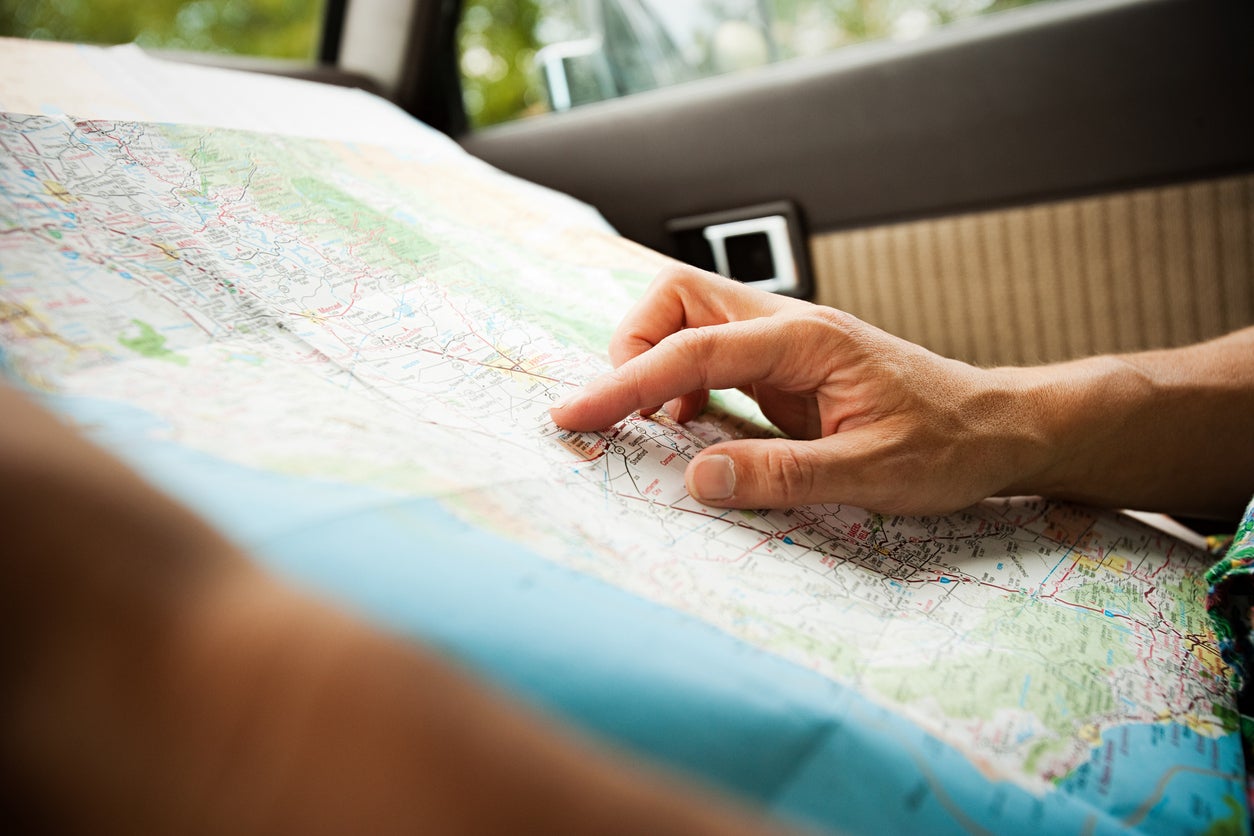
Person with a map

Gearhead Guru Guide: Learn How to Read a Road Map Before Your Next Road Trip

It’s National Read a Road Map Day! In the age of smartphones and infotainment navigation we’re hedging our bets that reading a map is a skill that most of us could use a refresher on.  We love the convenience and reliability of modern technology for navigation, but it never hurts to know how to “read an offline map” so to speak. more Understanding the symbols, layout, and terms surrounding road maps can help get you back on the road in the event you are driving in an area with low reception, are enjoying an off-roading adventure, or perhaps even have a technological malfunction while on an adventure. Today we’re going to give you some pointers on making heads or tails of a map and how to read it with ease! Helpful Tips to Learn How to Read a Road Map Make sure that you can find north on your map. This is usually denoted by the “N” symbol on your compass rose, but in the event your map does not have one, generally it is safe to assume the top edge of the map is considered “North” direction. Your map will be divided up in a grid format with vertical lines being indicated by numbered columns, and horizontal lines indicated by numbered rows. You will use these numbered and lettered designations to zero in on locations of important places noted on your Map’s index. Find the Map Key or Map Legend or Index. This will generally be on the back of your map or sometimes located in the corners. It will break down driving distance, specific topographic features, and decode the icons. Map icons will be defined in the map legend or key. This will help you identify locations of landmarks, buildings, rivers, mountains, forests, and other structures.  As an example, some areas may be colored in green to signify forest coverage, rivers may be solid blue lines, etc. On other maps, you may see various shading to indicate the type of terrain: mountains, sand and shoreline, forest, grassy plains, etc.  The key will be different on each map, though many maps use similar coding and features. Check your map’s scale, which will be printed in the map legend or map key. This is generally presented as a ratio of inches on the map relating to miles or feet on the ground, and will help you measure the distance between points on your map. For example, if the key states 1 inch equals 1 mile, and your destination is 5 inches away on the map, it will be about 5 miles away to travel there. Look on the front of your map to determine the regional coverage of your map. There will be maps available by country, state, county or province, and even city-only maps. When plotting a lengthy road trip, it’s important to keep maps on hand that show both smaller and larger areas. If you end up lost outside the city limits for instance, a county map may help you find your way back to the destination city.  If you’re traveling across the country, it’s recommended to acquire at least a state map for the places you’ll be driving through, as well as a larger country wide map for a broader picture. Important terms to Know: Coordinates - a set of numbers that specify a location and help you find a position on the surface of the map, used to find the distance from a specific place of origin to a specific point of destination. Contour Lines: If your map includes topography, you’ll see different lines that indicate elevation such as mountains, hills, valleys, etc.  There will be solid, dotted, straight, and wavy lines.  This can also help you determine which vehicle to take on your road trip depending what type of terrain you’re driving on. Compass Rose: A compass rose is a symbol used to display the orientation of “cardinal directions” (north, south, east, west)  This helps navigators discern which direction is the Earth’s magnetic north when using a physical compass. Every paper map includes a compass rose to illustrate true North at the top of the map.  You can use a compass to help you get a better sense of where you are. Latitude and Longitude - Latitude indicates how far south or north of the equator a specific place is; the Equator line has a Latitude of 0 degrees. Longitude lines run north to south from pole to pole, but measure the distances east and west; the Prime Meridian line has a longitude of 0 degrees. Map Index: Maps often include an alphabetical list of locations in an index.  City maps will include street names or major landmarks of the region.  County maps will include major highways and major cities and towns.  A State map will have significant cities and towns.  Oftentimes these are coded with letter-number combos which match a point on the map. Map Legend: All maps contain a legend or a key which explains what each symbol represents and what every line, mark, or colour means.  This will help you decode the difference between major interstate highways and smaller back roads.  It may also help identify hills and mountains or bodies of water. Orientation: Make sure you have your map so that the compass rose shows “N” at the top of your page, this will help you align your current position on the map and navigate which direction you need to travel on the next leg of your route. Scale Ruler: When plotting a course using a paper road map, you’ll need to use the map’s integrated “scale”: a line marked in inches which represents distances.  Use that scale line to determine the “miles by inches” between your destinations to get a scale of the distance.  For example, 1 inch of distance on the map may equal 10 miles of actual distance driving.  Grab a ruler and measure the distance between your road trip points and multiply.  Without knowing the scale of your map, you may miscalculate distance between destinations or time it takes to travel to and from. Topography/Terrain symbols: Some maps include lines, shading, and color to explain the terrain around you.  Using a topographic map means you’ll be able to identify mountains, hills and valleys, desert versus field, etc.  Many maps include basic topographical elements to explain basic geographic features of the region.

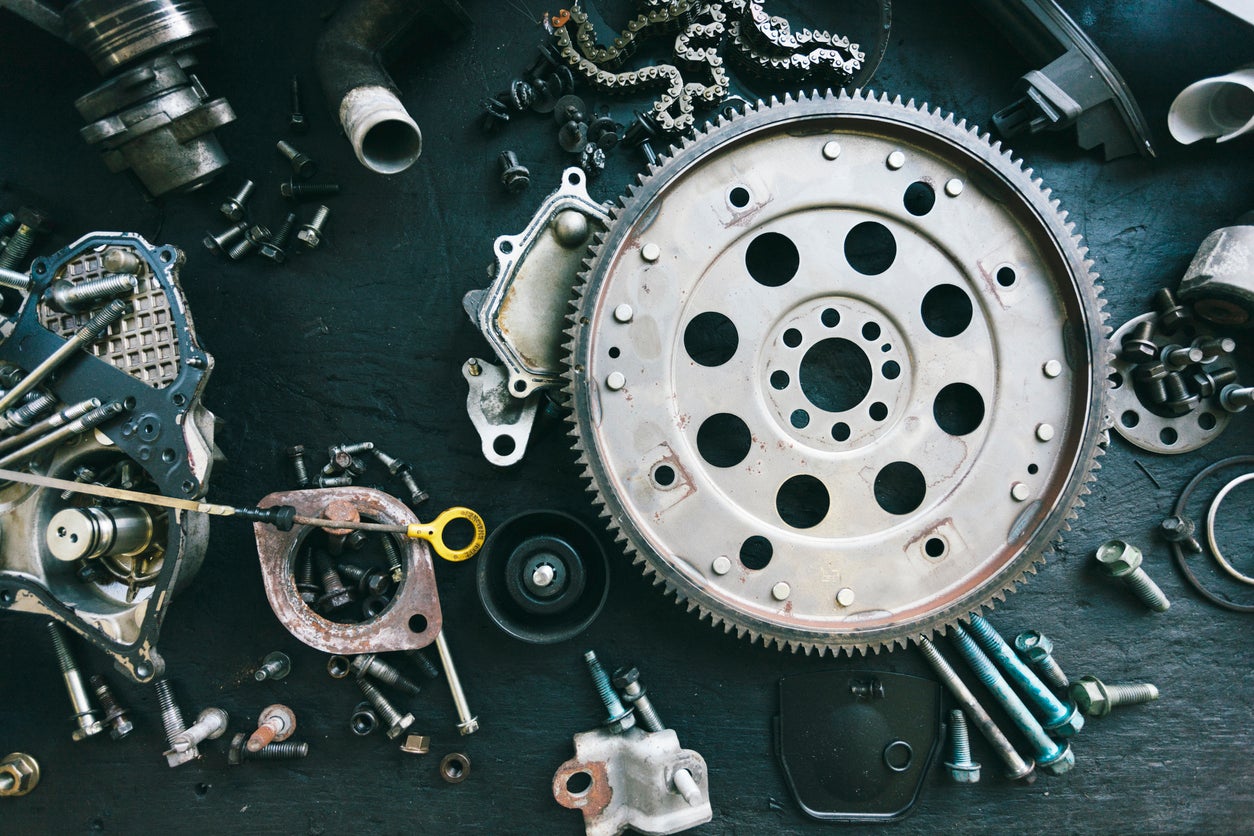
Car components

Understanding Automotive Terminology: What are Aftermarket Parts, OEM Parts, Genuine Parts?

We understand that for most of our customers, buying and selling and repairing cars is not a part of your daily lives, but we’re here to help!  There’s still plenty of important knowledge we can pass along to make the process easier. Thanks to our handy-dandy guide to automotive terminology, you’ll be able to “talk shop” like the best in the business.  If you’d like to learn more about key phrases and automotive vocabulary before you embark on your car buying journey, look no further than today’s blog post! more Let’s get started: Today we’re taking a look at the different terms and options for replacing parts of your vehicle. You may hear your mechanic utilizing these terms to differentiate between quality, availability, and price points of parts for your vehicle.  Understanding what each of these phrases means can help you select the right replacement for your car at the cost that’s right for your wallet! Genuine Parts - These are sometimes also referred to as Original Equipment, and they are parts mad by the original manufacturer of your machinery.  They will come in a branded box and are often backed by a manufacturer’s guarantee.  Choosing a Genuine Part/Original Equipment option ensures that they’ll be the most accurate, best fit and most reliable parts to replace in your vehicle, however they’re also the priciest option. OEM (Original Equipment Manufacturer) - OEM parts are supplied by your vehicle's manufacturer and approved as genuine equipment. An OEM part may be made by an external manufacturer, but supplied to those who make and assemble the machinery and vehicles.  These OEM parts are identical to the factory pieces original to your vehicle, and will come in packaging from the company who made it.  These parts are slightly cheaper than genuine parts from the automaker, making them a good mid-range budget option, and they generally do not override your vehicle’s warranty restrictions and requirements. Aftermarket - These are brand new replacement parts for your vehicle that were not made by the original equipment manufacturer.  Oftentimes these are used to replace damaged parts in your vehicle, especially if the automotive parts are for a discontinued or classic car.  Aftermarket are intended as generally budget friendly replacements for original parts, but since they vary in price and quality they may not always be as reliable as OEM or GP/OE options. If you have a new or leased vehicle, adding an Aftermarket part may void your warranty, so always check with your trusted mechanic and consult your paperwork before installing them. While the above three part options are generally referred to during repairs for newer vehicles, there are other options available to those who have vehicles out of warranty. These may also be a great option for those of you who have a classic vehicle in need of repairs with hard to source replacement parts. Other options available to you may include Used Parts, Refurbished/Reconditioned Parts, and Remanufactured parts. Used parts may be sourced from vehicles that have been scrapped for parts. They are the most economical option, but are often the least reliable and most frequently in need of replacement down the line. There’s usually no way of knowing how long they’ve been used or how much mileage has been run up.  Reconditioned parts, or refurbished parts, are used components that have been thoroughly cleaned and repaired, while broken pieces such as bolts, screws, and fasteners have been replaced with new ones; these are fairly easy to find and are a bit more reliable than the average used part. Remanufactured or rebuilt parts are old vehicle parts that have been restored to “good as new” condition through meticulous process and rigorous inspection. What terminology or terms would you be interested in learning more about? Let us know by messaging us on social media or leaving us a comment!   We’d love to have your input so we can continue to improve our content and provide you with even more thorough insights. Is your vehicle in need of service or repair? Just give our specialized and trusted mechanics a call at the Classic Auto Body Shop of Waukegan!  We’ll be happy to set you up with a routine maintenance appointment, oil change, or other repair services as needed.

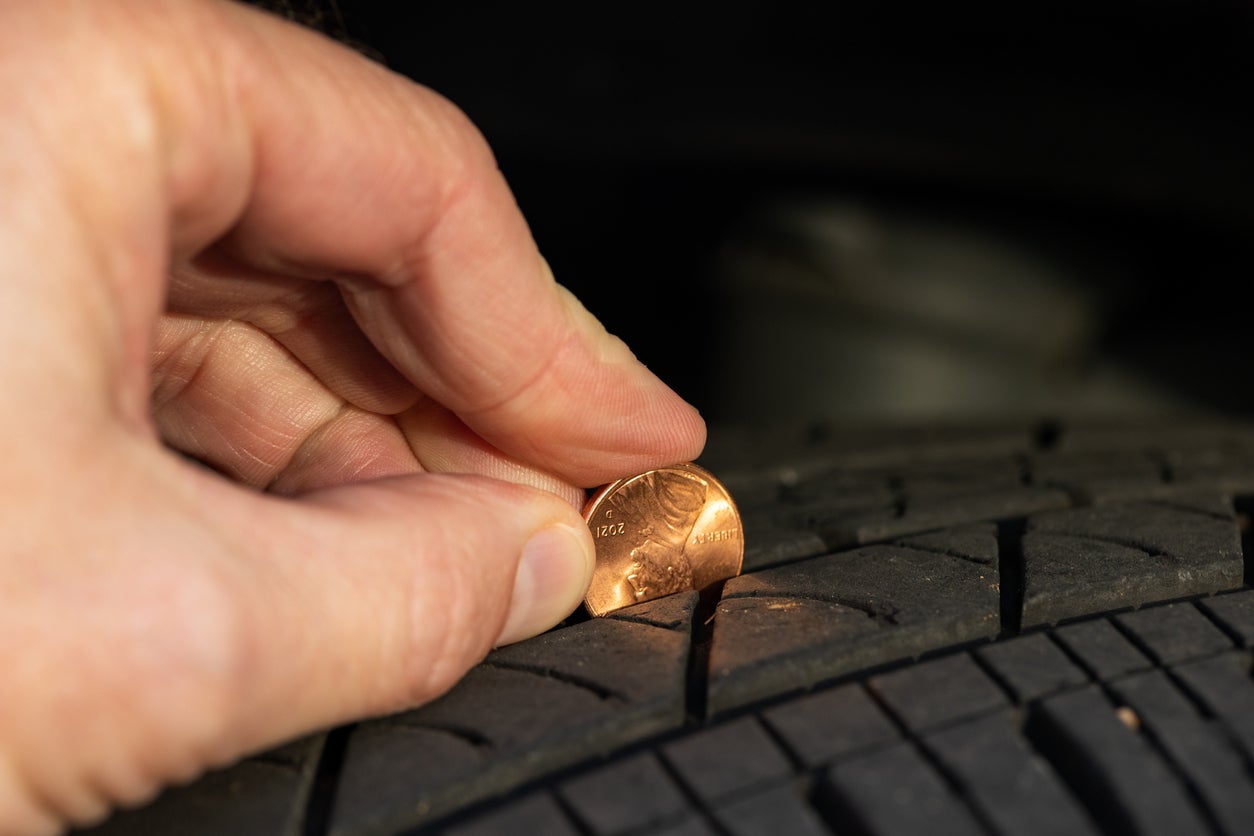
Checking tread depth on a tire by using a penny

National Car Care Month Tips: Tire Care and Maintenance 101

April is National Car Care Month, and all month long we’re sharing a series of tips, tricks, and pointers to keep your vehicle in Tip Top Shape. Be sure to follow along on our social media accounts to make sure you don’t miss any of this helpful info. Today we’re covering Tire Maintenance 101 and how to extend the life of your tires and drive safely on the road! more First up: Tire Rotation and Alignment. You should be having your tires rotated regularly to ensure even tread wear. In general, it’s recommended to rotate your tires with each oil change or at minimum every other oil change, which on average is about every 3,000 to 7,000 miles.  Your driving style, driving habits, and road conditions all affect wear and tear on the tires, and by rotating you’re extending the life of your tires and ensuring even wear. Your mechanic will also inspect the condition of your tires and let you know if they notice uneven wear and tear, as this may be an alignment issue.  Your vehicle will occasionally need a realignment to ensure your tires and wheels are adjusted in the right direction to prevent excessive wear or damage. You’ll want to balance your wheels every 15,000 miles or so. Second on the list: Proper Air Pressure Your vehicle will have a sticker on the inside of your driver-side door with the posted air pressure requirements for your tires. Additionally, you will be able to locate this information in your vehicle’s owner’s manual.  Performing a monthly inspection of your tires air pressure using a tire pressure gauge may help you notice leaks or wear and save you from a flat tire. It’s best ot check the vehicle’s tire air pressure in the morning, before you take it out for a drive.  Not only does driving on under-inflated tires reduce your fuel efficiency, it decreases your ability to stop safely and can increase your chances of a flat tire or accident.  Underinflated tires also wear unevenly and may come unseated from the wheel. Third: Check tire Tread Depth regularly. Your tires treads allow your vehicle to grip the road and maintain safe control. Proper tire tread depth can be the difference between safely coming to a stop or skidding out.  The tread depth is a vertical measurement between the top of the tread rubber and the bottom of the tire’s deepest grooves, which on average for most vehicles in the US is 10/32” or 11/32”.  When vehicles reach 4/32 inch tread depth, it’s time to change and replace your tires, as this increases the chances of hydroplaning and inefficient stopping power to prevent accidents. Check your tread depth using “The Quarter Test” - scan your tire and find the area that has the lowest tread depth, then place the quarter head first into the tire tread. If you can see all of Mr. Washington’s noggin, your tire read is at or below 4/32” and that means you’re in need of new tires!

Contact Us

Fill out this form below and we'll contact you shortly
*Required Fields