
Today: 9:00AM - 7:00PM

Blog

All Classic Kia Arts and Culture Classic Kia News Featured Local Things To Do Food and Drink Travel Blogs Waukegan Kia Dealer Kia Models Kia Information Pets and People New Inventory Waukegan Kia Service Gift Guides and Gadgets Waukegan Used Cars
7sitesUS

7 Must See Historic Sites to Visit Across the US

With Independence Day just around the corner, it seemed only fitting we highlight some of the unique and interesting places to road trip around the US. Plan your ultimate road trip around these incredible places. Visiting these historic destinations will open your eyes to the storied history of our country, as well as making memories enough to last a lifetime. So what are you waiting for? Pile your best friends and family members in the car, and let’s hit the road to adventure and experience the US like never before.  Check out our picks for 7 must-see unforgettable historic sites across the United States! Yosemite National Park - Protected national land since 1864, this stunning park is brimming with natural wonder and impressive wildlife. This park is a nature enthusiast's dream, filled with cascading waterfalls (including one of the largest in the world), glistening granite cliffs, giant sequoia tree groves, lush meadows filled with grasses and wildflowers, and crystal clear lakes and streams.  More than 400 types of wildlife reside here including the Sierra Nevada Red Fox, Sierra Nevada Bighorn Sheep,  mountain lions, black bear, coyote, mule deer, pika, and more. Ellis Island - Situated on the boundaries of both New York and New Jersey, this historic site was once the busiest immigrant inspection port and processing center in the entire US. Now, the facility is a park and three-floor museum which chronicles the immigrant experience at Ellis Island, and general immigration history of the US. There’s a self-guided or park-ranger led tour option, depending which you’d prefer. Ticket access also includes a visit to The Statue of Liberty on Liberty ISland via ferry. Make sure you also stop by Liberty State Park, just across the water, which is perfect for nature walks and picnics, shares grounds with the Liberty Science Center Museum, several restaurants and a marina. The Grand Canyon - This historic site in northern Arizona is considered one of the Seven Natural Wonders of the world. Carved out of the rock by the rushing Colorado River over millions of years, this immense canyon boasts multi-colored rock cliffs and plateaus, dozens of hiking trails, horseback riding tours into the gorge, and its own railway system.  Prime time for visits are at sunrise and sunset, for unmatched views of the red rock landscape.  The bravest in your group may even wish to try walking across the unique Grand Canyon Skywalk.  It’s a spectacular stop for geology enthusiasts, nature photographers, and outdoor adventure lovers. You simply cannot skip this experience so truly life changing and awe-inspiring! New Orleans - This port city in New Orleans along the Mississippi River is an incredible melting pot of American, African, and French cultures.  There’s no shortage of excitement, entertainment, and exploring available for visitors including a plethora of museums, live music venues, riverboat tours, haunted houses and hotels, parties and parades, and plenty of shopping.  You don’t want to miss a trip to the vibrant French Quarter area, and especially Jackson Square, home of the St. Louis Cathedral.  Preservation Hall is a must-see venue for NOLA style Jazz music, fusing African, Caribbean, and even European influences.  Explore the history and artistry of the local architecture with a tour of the Longue Vue House and Gardens, with plenty of hands-on experiences and photo ops!  The Backstreet Cultural Museum offer insights into the evolution of the city’s vibrant holidays, parades, parties, and colorful unique traditions.  And of course, you’ll need to grab a Po’ Boy, Gumbo, or Jambalaya for a meal, and follow it up with a taste of Bananas Foster, Beignets, and Chicory Coffee! Mesa Verde National Park - This historic site contains incredible natural wonders like canyons and rock formation overlooks, and it’s also a historic stop to appreciate and explore the vast culture and architecture of local Native American tribes, including preserved Petroglyph rock carvings and art.  It’s a pinnacle stop in the Southwest!  Opt for a ranger-led tour to hike in and out of the cliff dwellings, or take a self-guided hike on the many trails in the area.  The terrain can be challenging, often featuring narrow, steep roadways, ladder climbing, and more, so make sure you’re adequately prepared and can handle the strenuous biking and hiking required.  It’s also home to a diverse range of desert dwelling wildlife including weasels, lizards, mule deer, bobcats, owls, black bear, foxes, numerous bird species, several fish, and thousands of species of insects. Independence Hall and the Liberty Bell - Philadelphia's Independence Hall is a shining star destination in US history, where 56 delegates gathered in 1556 to sign the Declaration of Independence, finally emancipating the original colonies’ break from English rule, and later the US Constitution.  The Hall is open via ticketed tours only. The hall is located in “Independence Square” which also encompassess the Museum of American Philosophical Society in Philosophical Hall, Congress Hall, and the Great Essentials Exhibit in the West Wing.  The Liberty Bell is housed at the Liberty Bell Center, and can be viewed from both inside and outside, and requires no tickets to enter.  While you’re in Philadelphia, you may wish to check out the Philadelphia Museum of Art, The Museum of the American Revolution, Valley Forge National HIstoric Park, the Mutter Museum, African American Museum, and of course the numerous shops, bars, and restaurants that add so much life and character to this diverse city. Gettysburg National Park - This national Military Park and Museum protects the site of the Battle of Gettysburg during the American Civil War in 1863, and features 500 cannons, around 150 historic buildings, and an impressive 1,300 monuments. It was also once a major hub for early US settlers and travelers as well as traders, coming together to rest, refuel, or sell their wares.  The grounds include the Gettysburg National Military Park Museum and Visitor Center, which offers historic artifacts, a special historic film presentation, and a cyclorama painting by French artist Paul Philippoteaux.  Be sure to check the “Living History” calendar of events to catch one of the many battlefield reenactments bringing the past to life before your eyes!  There are also numerous special events and programs, ranger led tours, and plenty of opportunities to try hiking and horseback riding through the area trails.

Car warning lights

Common Dashboard Light Warnings and How to Diagnose Them

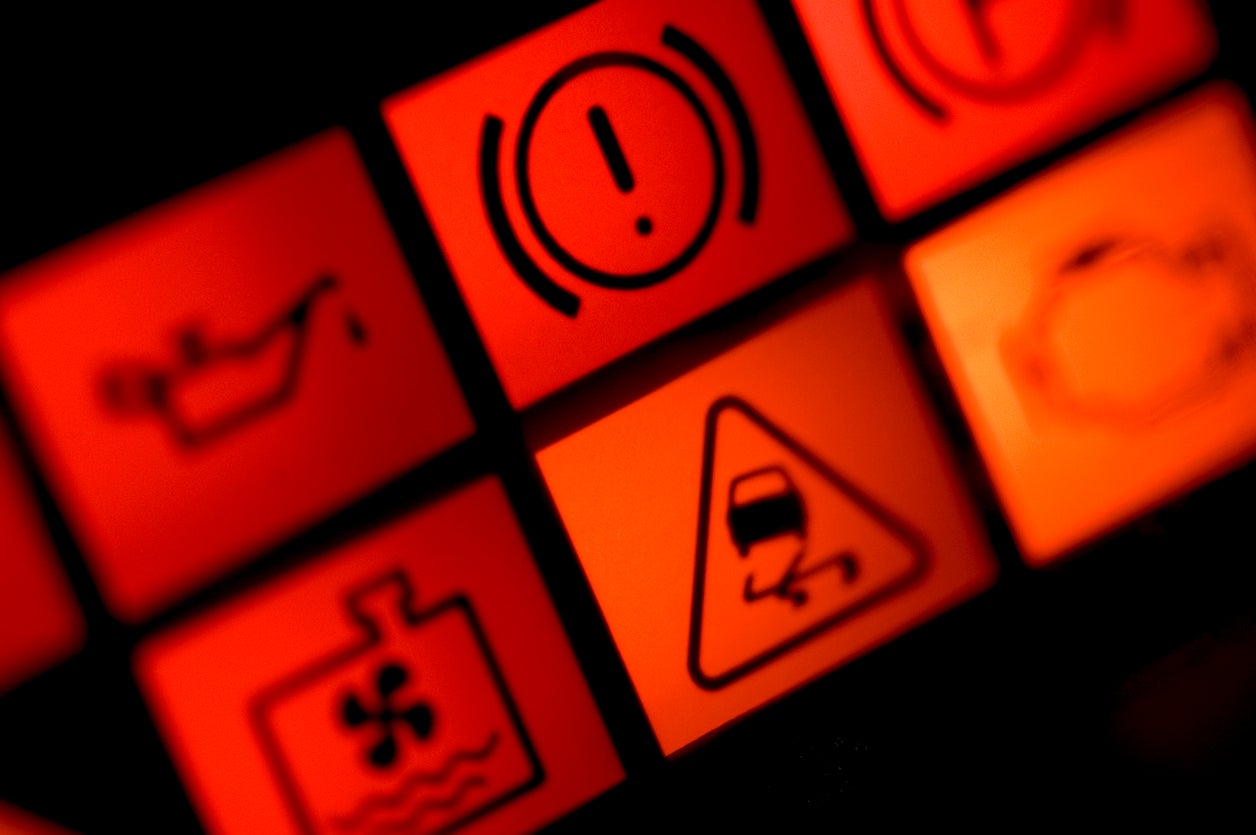
Welcome back to another installment of our Gearhead Guru Guide series!  We’re here to help educate you on all the tips, tricks, ins-and-outs of vehicle maintenance and repair.  Today, we’re sharing a small decoder to some of the most common dashboard lights you’ll see on your vehicle’s display.  We also hope this can help serve as  a primer for new car owners and new drivers to learn how to spot an issue before it becomes a crisis. Please note that dashboard lights may vary slightly from model to model, or even from year to year.  The symbols below will help guide you through and avoid guesswork, and are standard on most vehicles.  For the most accurate depiction of your make/model’s lights, you can check your vehicle’s instruction manual from the manufacturer. The Engine Temperature Warning Light This is one of the major lights you do not want to ignore. This is a sign that your engine is experiencing a serious problem and is overheating, and may be on the verge of seizing or other dangers. The best thing to do is pull over as soon as you can, and turn off the engine.  You will want to pull over and request emergency roadside assistance and have it towed to the nearest or local service center.  See our previous blog on what to do when your engine overheats to learn more! The Oil Pressure/Oil Level Light When this light is on, it means that your vehicle’s oil is dangerously low. It may be remedied by topping off your oil, or bringing in the vehicle for regular oil changes. However, in some cases it may also indicate an oil pressure issue such as a leak in the engine, a blown piston ring, or damage to the oil pump.  If adding oil to the reservoir turns the light off, you’re good to go. However, if it doesn’t, it may be one of the aforementioned larger issues. Driving with this light on for an extended period may lead to serious problems, as engine oil and related components are vital to the vehicle’ functionality and performance. Bring it in for a repair and service ASAP! The Check Engine Light Take a deep breath! We’re here to reassure you that this light is not always an indicator of a crisis issue, but it’s still best that you do bring your vehicle ASAP to ensure that it is not a catastrophic issue; the sooner you bring it in, the less likely you are to continue to do more costly damage to your vehicle.  This symbol looks like a miniature car engine, or may just be the word ENGINE in all caps.  It  indicates that your vehicle’s on board computer system has received an error code, also known as a Diagnostic Trouble code or DTC.  Your local mechanic will be able to read the code using a special piece of equipment to find out what triggered the light.  If you’d like to learn more about how to diagnose the issue, and see if it’s something you can repair as a home mechanic, you can purchase an OBD2 Diagnostic Code Reader for a low price and check it yourself. Brake System Warning Lights Generally, this light indicates that you’ve accidentally left your parking brake engaged.  However, if the light is still illuminated when the parking brake has been disengaged, you’ll want to bring the car in for an inspection at your local mechanic. This may indicate a serious problem in your vehicle’s brakes system, and that is a vital repair as it’s dangerous to drive with faulty or damaged brakes and reduces your ability to avoid accidents.  It may also indicate that you are experiencing hydraulic loss, low brake fluid in the master cylinder, an issue with the ABS, new brake pads, or parking brake adjustment among other things. This battery warning light is very easily decoded, as it looks exactly like the item it monitors. It may indicate an issue with the battery itself, issues with the alternator, faulty electrical wiring, or some other related electrical component.  If this light is also accompanied by start up issues, this may indicate you need a replacement battery or a jumpstart. This light indicates that you’re driving on tires that are over- or under-inflated, as indicated by the wheel shaped symbol with a flat bottom and bulging sides.  Most modern vehicles will offer an option in the infotainment system that details a diagram of which tires are having the issue, and the exact tire pressure of each one.  Take a second to add some air to your tires or let it out, and then turn the car back on and see if the light is still illuminated. If it is, this could indicate that there is a leak or damage to one or more of the tires, and you’ll need to bring it in for a service checkup. This little fuel-pump symbol indicates that the vehicle is low on fuel. You need to make a quick pit stop at a local gas station immediately, as you’re in danger of running on an entirely empty  tank and breaking down. It’s good practice for safety and vehicle performance to ensure that you never drive below ¼ tank of gas if you can help it.  When traveling long distances, you’ll want to refuel and top off the tank whenever you pass a fueling station; see our previous blog on preparing your vehicle for a road trip to learn more!

Photography camera lens concept.

Top Spots in the Midwest for Nature Photography

Looking for a way to fuse your wanderlust with your creative interests? Nature photography is the perfect interest combining a love of travel and outdoors with your artistic vision and self-expression. Today, we’re sharing some of the top spots around the Midwest that make for prime landscape and nature photography! Get in touch with the world around you again, connecting with plants, wildlife, and incredible scenery as you immerse yourself in these protected wilderness areas and national parks. Badlands in Kansas - This stunning national park is open 24/7, making it an incredible opportunity to shoot during the day or at night time.  Sunrise and sunsets in the badlands will add some serious depth and drama to your imagery, and each timeframe will bring out different animals and creatures for feeding and hunting.  Nature photographers who visit the area recommend taking a drive around the Badlands Loop Road, a 50-mile drive with overlooks and scenic views for wide shots!  Must-photograph locations include “The Pinnacles” which face south, showcasing the stunning terrain and landscapes; the Medicine Root rock formation offers a beautiful grouping of buttes in a gradient of gold, red, tan, and brown jutting into the vast skyline; the Burns Basin Overlook produces stunning shots thanks to the multicolor geological formations, and the trails are home to a multitude of desert and plains wildlife species.  Visitors recommend spending at least one to three full days in the area. Cuyahoga Valley National Park in Ohio - This national park was established in order to preserve the lush rolling hills and sprawling forests hugging the Cuyahoga River.  It’s known for a multitude of waterfalls and lush trails that cut through the rock ledges and forest.  It’s home to a diverse range of wildlife including plentiful waterfowl, curious reptiles, and furry pals.  Nature photographers recommend taking the Towpath Trail along a former site on the Erie Canal, photographing the astoundingly gorgeous 65-foot tall cascading Brandywine Falls, treading the boards along the Towpath Trail, hiking up for a scenic view on the Ledges Overlook, and observing the creatures and plants along Indigo Lake.  Visitors generally recommend spending two to three days here to take in all of the waterfalls, marshes, and trails along the river. Tallgrass Prairie National Park in Kansas - This nature preserve is located on 11,000 acres of land, 33 of which are managed by the National Parks Service, and the rest by nonprofit group The Nature Conservatory.  Visitors recommend hopping on one of the tours via the Visitor Center, which will help you identify more than 450 species of flowers, 1,000 species of insect, 70 different species of grasses, and a multitude of mammals, reptiles, and birds!  Nature Photographers love visiting during the late spring and early summer months for the wondrous wildflower fields, and if you’re lucky you might even catch a glimpse of the Bison herd that’s repopulating the area.  The area is also located in the “Central Flyaway” zone, where birds from the east and west gather together during migration season, creating a breathtaking sight.  Visitors generally recommend a two day visit to take in as much of the plant and wildlife as you can, but a one-day stint is doable as well. Porcupine Mountains State Park in Michigan - This 60,000 acre preserved region is known for its serene wilderness and old growth virgin forests filled with winding rivers, scenic waterfalls and top tier vista points.  Nature Photographers recommend taking the trails past Overlooked Falls and Greenstone Falls at the end of Little Carp River Road and South Boundary Road.  The Pinkerton Creek Trail offers access to Pinkerton Creek for shots that look straight out of a fantasy novel, featuring lush emerald green moss, rustic fallen logs, and babbling waters.  The LAke of the Clouds viewing area is a must-visit spot, especially at sunrise or sunset for incredible views of the lake and mountain area from the man-made platform atop the hill.  The Big Carp River can be photographed through the misty mountaintops, or up close and personal if you select the North Mirror Lake Trail Bridge. Lost Lake and Union Spring both offer unique waterscapes and marshy areas.  Looking for a bit of mystery? Check out the Ghost Town of Nonesuch Mine area, former copper mining site and mill!  Visitors recommend spending at least three days or more here to take advantage of all the area has to offer Other notable Midwest hot spots for nature photography and landscape photography enthusiasts: Pictured Rocks National Park, Starved Rock National Park, Tahquamenon Falls, Clifty Falls State Park, Pewits Nest State Natural Area, Cataract Falls State Recreation Area

Father taught his teenage son how to repair the car

How to Diagnose Car Battery Problems and Safely Jump Start Your Vehicle

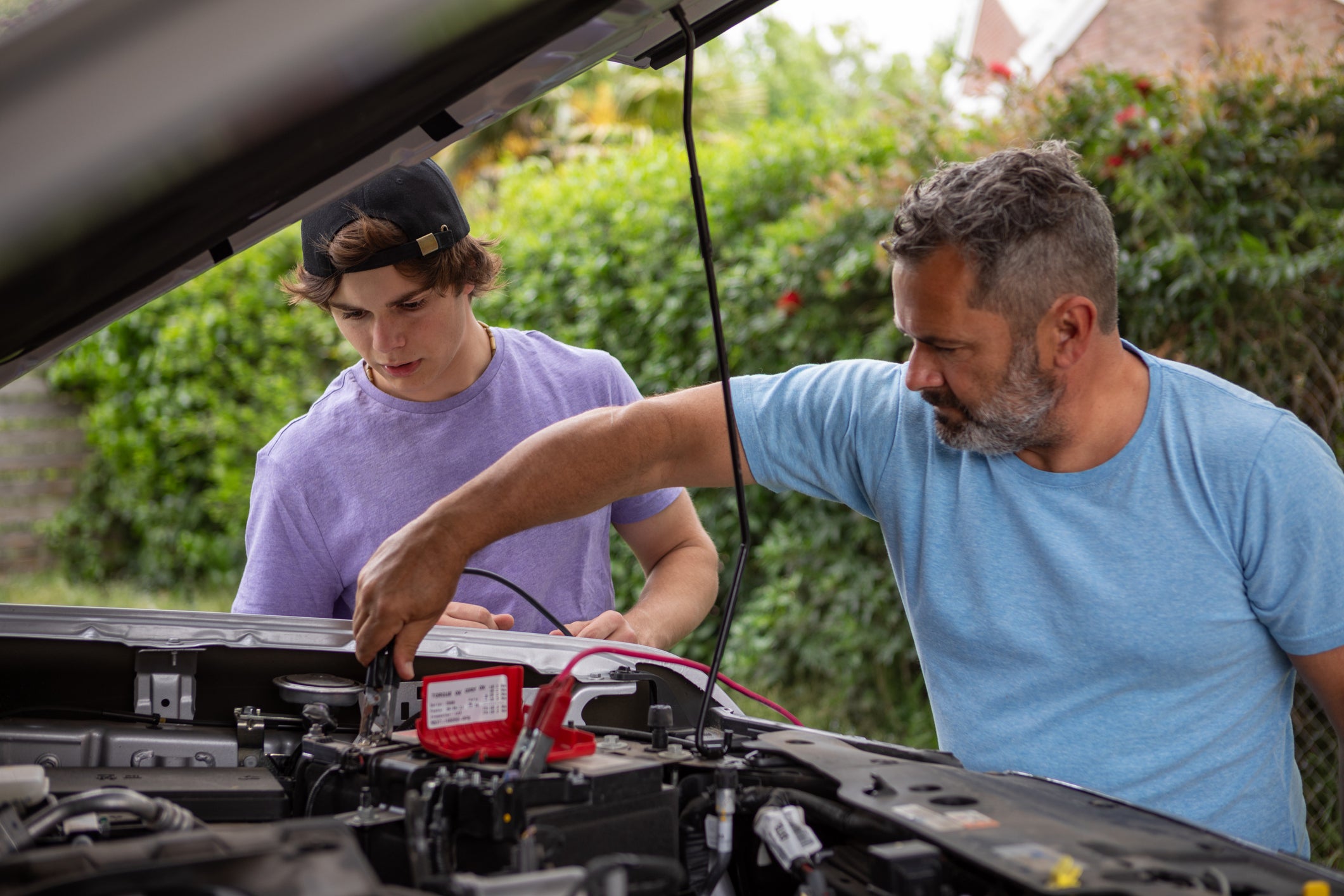
Welcome to another edition of Classic’s Gearhead Guru Guide, where we cover all the ins-and-outs of vehicle maintenance, top notch care techniques, and all the nitty gritty details of collecting cars among other things. Today, we’re sharing some of the vital skill of knowing how to safely jump start your vehicle. Never done it before? Well, there’s no time like the present to learn how!  Are you a seasoned pro whose car is in pristine condition, but would still like a refresher just in case? We’ve got you covered!  Plus, stick around to the end of our post for some helpful visual tutorials and video lessons. First, let’s check out some reasons that may cause a car battery to die or lose charge: Corrosion: a vehicle battery contains acid, which when exposed to gasses in the air will release and cause a build up of white, green or even blue-hued corrosive build up on the terminals. Loose connection to terminals: As you drive, the positive and negative terminals connected to your battery may shift and get jostled loose over time. If the terminals cannot make proper contact, the battery can’t transmit power. Bad Alternator: a car battery receives energy when you start the engine, but relies on the alternator to help it keep a charge, so if your alternator is not working, the battery will not be receiving ideal voltage. Extreme temperatures: both excessive heat and excessive cold can cause issues with your vehicle battery’s full performance capabilities. As the battery ages, it will gradually experience weakened performance in intense cold or hot temperatures, and may even die entirely. Parasitic Draw: your battery is providing power to passive items like the alarm system, security tracking, and the clock even when it’s off. While those things in and of themselves will not cause a significant battery drain, adding in items like forgetting to turn off interior or exterior lights, or leaving a device plugged into the charge ports can slowly drain the battery. Always double check that your vehicle lights are off, devices are unplugged, and you’ve properly closed all the doors and windows. Old age: the average car battery lasts between 2 and 5 years, but some may last up to 10.  Most vehicles will need a replacement battery every 3 to 4 years, and your mechanic can help test the battery’s life and charge condition during your regular maintenance appointments. Learn how to jump-start your vehicle safely! (Car to Car Method) Step 1: Make sure both cars are parked close to one another with the hoods facing each other, but be sure that the vehicles are not touching. Step 2: Turn off both vehicles, pop the hoods, and locate the batteries. Step 3: Find your jumper cables and unwind/untangle them. Step 4: Attach the red (+) clamp to the positive (+) terminal of the dead battery.  Then, attach the red (+) clamp to the positive terminal of the working battery. Step 5: Attach the black (-) clamp to the negative terminal of the working battery.  Then, attach the remaining black (-) clamp to an unpainted, metal surface of the dead car. Step 6: Start the working car.  Follow up by starting the car with the dead battery. Step 7: Once the dead battery car is started, remove the cables in the reverse order that you attached them. Step 8: Let the previously-dead car’s engine run for at least 15 minutes. If you followed these steps and your car won’t start, you’ll want to double check the connections and try again. If after a few attempts the battery will not start, give your roadside assistance a call or head over to the nearest auto parts store/local auto body shop for a replacement battery. Learn how to jump start your vehicle via video tutorial: https://www.youtube.com/watch?v=CE1ENnesvp4 Learn how to jump start an electric vehicle: Learn how to test your car battery like a professional: https://www.youtube.com/watch?v=S3FB8GY2ZyQ Learn how to diagnose and replace a bad battery: Learn how to diagnose and fix “parasitic drain” on your car battery:

Beach your children well

6 of the Best Beach Towns in the Midwest

We’re all set for summer!  If you’re looking for some new and interesting places to visit in the Midwest, then you’re in luck. Look no further than our picturesque recommendations for beautiful beaches of the midwest. There are plentiful opportunities to hit the water and enjoy paddleboarding, swimming, kayaking, fishing, and even working on your tan.  Plus, each of these destinations is perfect for making memories with family and friends, with lots of kid-friendly activities and options.  So, without further ado, here are 6 of the Best Midwest Beach Towns to explore! Sister Bay, Wisconsin This shining star beach town is located in the stunning Door County, and is prime beach real estate. There’s a beautiful public waterfront that’s perfect for a leisurely stroll at sunrise or sunset.  Enjoy a day on the sparkling water in your kayak or paddleboard, or take in some rays on the beautiful sandy shores at Sister Bay Beach.  Enjoy a meal at any of the dozen restaurants within walking distance of the Sister Bay Marina and Waterfront Park.  Enjoy a craft beverage at the Peach Barn Farmhouse and Brewery or partake in some fine baked goods and fudge at the Seaquist Orchards Farm Market.  And of course, can’t miss out on the incredible local artists and galleries showcasing their work around town such as sculptures, photography, and fine artwork. Yankton, South Dakota This gorgeous city is situated along the banks of the Missouri River, making it the perfect destination for plenty of maritime activities including swimming, fishing, boating, kayaking, paddleboarding and more!  The Chief White Crane Recreation Area is perfect for outdoor enthusiasts as it is located along the shores of Lake Yankton.  The Lewis and Clark Recreation Area is an incredible state park with a camping and recreation area, and the resort has beautiful beaches.  Devils Nest Development offers beautiful beaches to enjoy, as well as stunning wooded areas for bird watching and wildlife. Lake Herman State Park is known for its gorgeous views of the lake and maritime recreation. Okoboji, Iowa Boasting crystal clear blue waters, Lake Okoboji and the surrounding beaches are perfect for a summer vacation!  Locals recommend swimming enthusiasts to visit the West Lake Okoboji area for best options. Top local beach recommendations for families include Terrace Park Beach, formerly known as Green Beach, and Orleans Beach, and Arnolds Park Beach.  The Memorial Park Splash Pad in Spirit Lake is also perfect for families looking to cool down in the hot summer sun, and the Arnolds Park Amusement Park with more than 30 rides and attractions and incredible views of West Lake Okoboji. There are also numerous galleries and museums, plus the Dickinson County Nature Center. Bayfield Wisconsin This gorgeous area offers a multitude of local beaches to explore with different atmospheres and environments. The Big Pete Boreal Forest & Beach offers a quiet respite in nature away from the public eye, and is a pristine area along Lake Superior.  Pebble Beach is located in Split Rock Lighthouse State Park and makes a wonderful stop for exquisite landscape photography and appreciating nature. Black Beach is perfect rocky shore location for a late afternoon picnic followed by an evening along the shores cozied up around the fire pits, and makes a great backdrop for family photos; the waters in this region are also fairly shallow so crossing to the island, climbing the water worn rock croppings, and enjoying the swimming cove are all easily accessible. Winona Lake, Indiana Life at the lake certainly is better, but especially at Winona Lake!  Whether you’re looking for swimming, canoeing, kayaking, paddleboarding, or fishing, there’s plenty of fun to be had.  Bring your own watercraft or rent one in the area. Take a dip in the crisp waters at Winona Lake Park and work on your tan along its beaches!  Limitless Park and Splash Pad is a big local family favorite, encouraging children to immerse themselves in nature while promoting accessible play for abled and disabled individuals alike.  There’s also lots of opportunity to enjoy off-road vehicles, hiking, biking, and walking the local trails. Sandusky, Ohio This shoretown is known for being home to Cedar Point Amusement Park and Cedar Point Beach along Lake Erie, making it a classic family friendly destination, but that’s not all the area has to offer! There are multiple beach access areas including Lions Park, which has a fun playground area for kids, grills and gazebos for picnicking with friends, and a quaint little beach area. Locals love the peace and quiet and classic  lake-life experience of Nickel Plate Beach, and they recommend it for its cleanliness, wonderful kid-friendly swimming and beach area, access to rental options and plenty of amenities.

Coolant level low warning light

Automotive Terminology: Learn About Vital Radiator Fluids - Antifreeze and Coolant

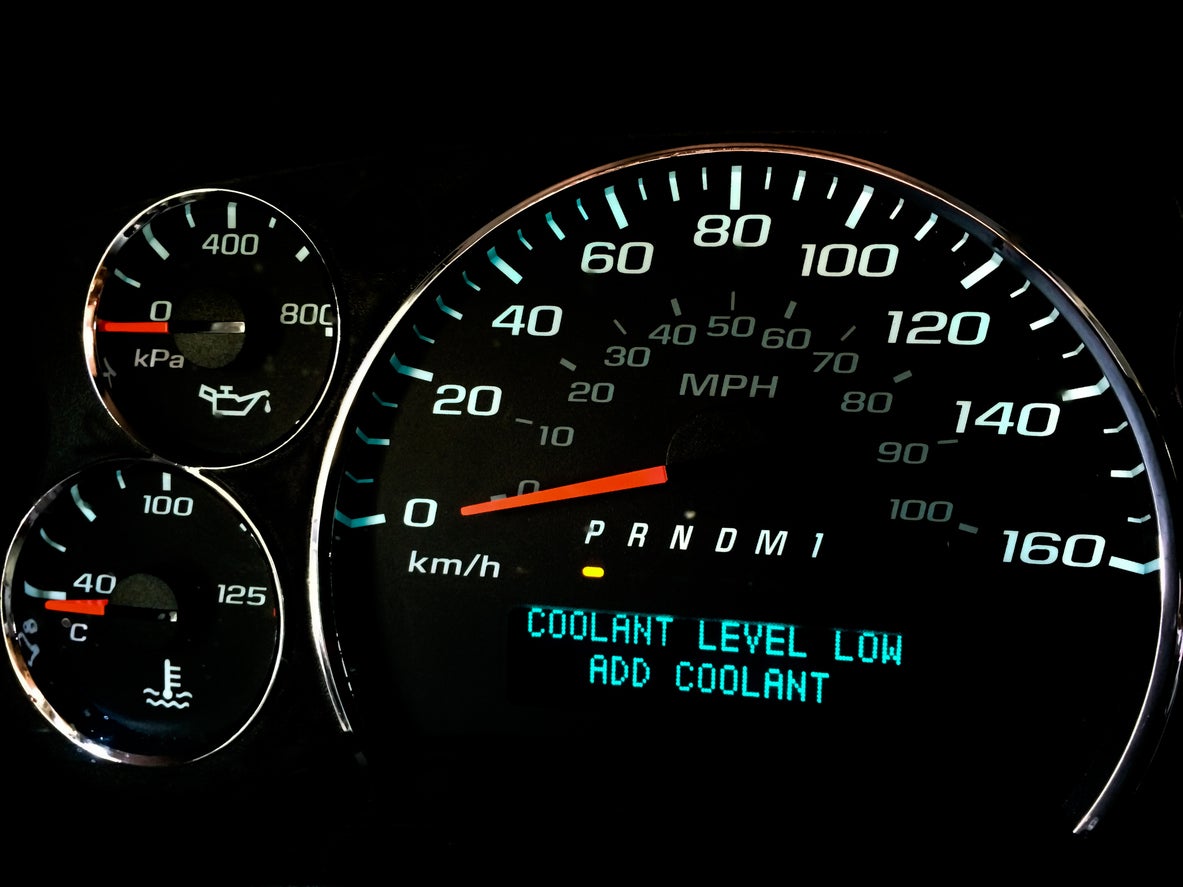
We understand that buying and repairing cars is not a part of our clients daily or even weekly lives, so you may find yourself a little overwhelmed when it comes to navigating conversations in the automotive industry. Well, worry no more! We’re here to help educate you on important terms, phrases, and vehicle parts so you can handle things like the pros. Thanks to our automotive terminology blogs, you can arm yourself with some serious know-how, and will be able to converse with the biggest gearheads and seasoned auto body and mechanic technicians alike. Today, we’re covering two vital radiator fluids utilized for daily functioning in your vehicle: antifreeze and coolant. What is the difference between antifreeze and coolant, and what do they do? Many individuals use these terms interchangeably, btu they are in fact entirely different fluids with unique purposes.  Antifreeze, is an ethylene glycol based liquid which helps lower water’s freezing point to prevent it from turning to ice and damaging the vehicle engine.  Engine coolant helps keep the engine running at a consistent temperature, while antifreeze helps prevent engine damage when the temperatures dip below freezing.  Engine coolants are a combination of water + antifreeze; generally this is a 50/50 mix, but it may be as high as 70% water and 30% antifreeze. Your local mechanic can help you determine which mix ratio is correct for your vehicle depending on your local climate.  Engine coolant is also referred to as “radiator fluid.” What are the maintenance requirements and signs the coolant/antifreeze needs a service? You should replace your engine coolant between 30,000 to 100,000 miles, according to your vehicle’s owner guide. If you’re unsure, you can bring the vehicle in to the service center and a technician will help you find the correct mileage point for your make/model/year.  It does need to be replaced at regular intervals, lest you end up with an overheated engine and more costly repairs! Don’t skip this vital step! As you drive, the coolant can become contaminated with particulate matter such as rust, scale, and dirt.  Driving your vehicle with dirty coolant can cause clogs, which may further corrode or damage or even lead to overheating. Regularly flushing the coolant and replacing it with fresh fluid is recommended service every two years on average. You’ll notice that it’s time to bring your vehicle in for an antifreeze/coolant checkup if you notice any of the following: You notice a sweet-smelling aroma from under the hood, or a maple-syrup scented liquid under the vehicle in a puddle (this latter may indicate a leak) You find yourself frequently adding coolant/antifreeze to the reservoir Steam is emitted from under the hood You notice the temperature gauge climbing consistently to the hotter end You hear a gurgling or bubbling sound when you start the car, or a hissing/sizzling sound which may indicate a coolant leak You notice you’re achieving less mileage per gallon than usual You’re unable to properly accelerate at a reasonable rate The heater is constantly blowing hot air from the vents The engine automatically cuts-off As mentioned in our previous Gearhead Guru Guide, you want to maintain your coolant/antifreeze levels to prevent engine overheating and other related damages!  So schedule your appointment with your local trusted service center ASAP. Defining automotive terminology: antifreeze Any chemical, commonly ethylene glycol, that is added to the cooling water of an engine in order to decrease its freezing point for winter operation, when ambient temperatures may be below the normal freezing point of water. coolant Any substance, usually a liquid, that is circulated around a vehicle's engine in order to reduce and regulate temperature by absorbing excess heat and then transferring it to another medium (e.g. the surrounding air) where it is safely and efficiently dissipated. An ideal automotive coolant has high thermal capacity, low viscosity, and is chemically inert and non-toxic; though specific properties can vary widely by intended usage, most ordinary personal vehicles use water as the base coolant with additives such as ethylene glycol or methanol to lower its freezing point, raise its boiling point, and prevent corrosion. (Definitions via Wikipedia)

Mature Muslim woman looking at the engine of a broken car

What To Do When Your Vehicle Overheats and How to Diagnose an Overheating Engine

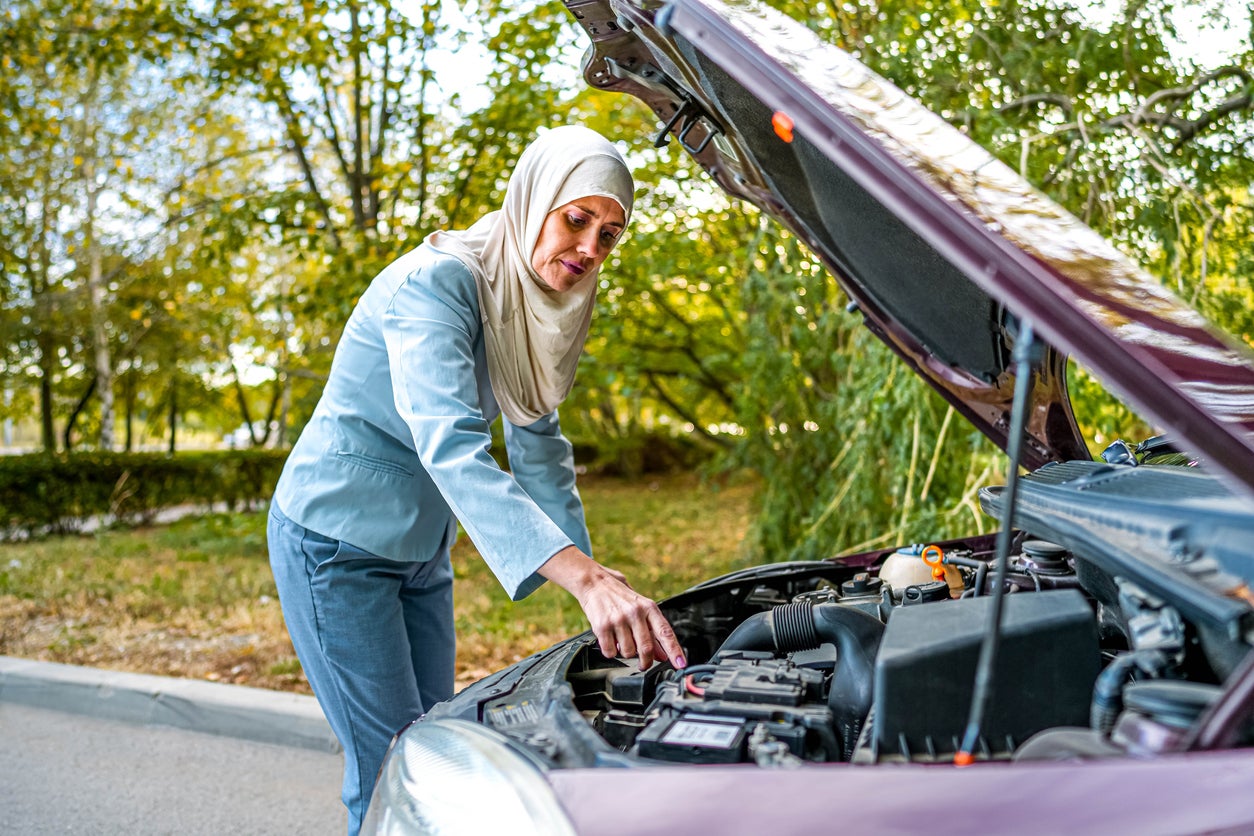
Welcome back to our Gearhead Guru Guide series, where we help you be the best automotive enthusiast you can be!  Today, we’re covering the basics on what to do when your engine overheats, and how to diagnose an overheating engine, plus how to prevent it in the first place. You’ll also learn to use your sense of touch, sound, sight, and smell to be aware of warning signs, and what to do if the unavoidable overheat emergency happens.  Let’s get started! What are the signs that your vehicle is overheating? Aside from the obvious temperature gauge spikes or car shutting off, there are some precursor signs that you should not ignore when it comes to alerts the engine is overheating.  You’ll be able to assess by look, touch, smell, and sound very quickly thanks to these tips! Touch. You may notice that the hood is extremely hot, and you’re unable to leave your hand touching the hood for more than a few seconds. Excessive heat means there is something seriously wrong, and you should call your local service center for a tow and repair appointment. Visuals. If you notice any wisps of smoke or billowing steam from under the hood, it’s a surefire sign the engine has overheated.  This is due to the fact that the coolant has hit its boiling point, which creates pressure in the cooling system. You may also notice the temperature gauge is climbing up into the red or “H” portion of the gauge. Another sign could be puddling or pooling of coolant which may look like a green or blue-green, orange or yellow, or a pink hued liquid depending on the fluid used for your vehicle and driving conditions.  You may also notice the check engine light also turn on or blink. Smells. A burning and overheating engine has a distinct smell of burning rubber/plastic, burning oil or sulfur-like aroma, or a strange ozone “heat” type smell. If you smell a sticky-sweet, maple smell it may be the leaking coolant under the vehicle. Sounds. You may hear some thumping or ticking noises, which indicate an engine system failure, and that it’s about to overheat.  If you notice any hissing sounds, it can indicate that the coolant has reached its boiling point; this may be either steam escaping the hot engine or perhaps coolant leaking onto the hot engine components, and either option is a serious issue. What should you do if your car is overheating? Immediately pull over your vehicle to the first safe space or opportunity you have, but until you can, you should roll down your windows and crank up the heating system. This process will help draw heat out of the engine area and away, but it will heat the interior pretty quickly, so pull over ASAP especially if it’s hot outside! Once you’ve pulled over, turn off the vehicle, but DO NOT touch or open the hood of your car until you’ve let it rest for at least 30 minutes. If you happen to find a safe space out of the sun, that may provide additional help to cool off the vehicle. Keep your eye on the temperature gauge to alert you when it has reached a cool temperature in the normal range.  Call a tow truck to bring your car to the nearest garage. If you are unable to acquire a tow and driving is the only option, place your hazards on and carefully restart the engine once it’s fully cooled, and head to the nearest repair shop.  If you’re driving to a mechanic, it’s IMPERATIVE that you keep the heat blasting and have your eye on the temperature gauge; pull over and let the vehicle cool until normal range and then continue your drive, but DO NOT drive it on the H or red-alert overheat warnings. If the engine has completely overheated to the point the vehicle has shut off while you were driving, we recommend letting it cool, and then only turning it on insomuch as to pull over safely and requesting a tow rather than driving it in as that may cause further damage. Can you repair an overheated engine? Yes, and no.  An overheated engine will not resolve on its own and requires a professional mechanic and service technician’s help.  An overheating engine can cause significant damage to the vehicle and multiple components including the cylinder heads, head gasket, hoses and belts, and the engine block itself.  This may require individual parts to be replaced and it will run again, but it will not be the same and is prone to further damage issues down the line.  Additionally,in severe cases, an engine that has completely overheated and seized may need to be replaced entirely. Either way you slice it, they’re costly repairs, so it’s best if you’re able to start a car maintenance and repair nest-egg of savings to be better prepared for emergencies such as this. How can I prevent my car from overheating in the first place? Keeping up with regular maintenance appointments, especially oil changes and radiator/coolant exchanges and flushes are a vital part of engine maintenance.  You should also be performing weekly checks on your engine oil, as well as monthly checks on your coolant levels.  Additionally parking in the shade will help your car stay cooler while not in use, and help it cool down faster after driving.  You should also maintain your Heat/AC system with seasonal service checks.  Remember to regularly top off your fluids, and never drive your vehicle with any warning lights on unless it’s right to the service center!  Consider opting for a roadside assistance plan either as part of your vehicle insurance package or an independent plan such as AAA, which will greatly help you during emergencies with towing assistance and traveling service technicians.

Recall

What To Do When Your Vehicle is Recalled

Welcome back to our Gearhead Guru Series, where we arm you with the vital information you need to be the best automotive enthusiast you can be!  Today, we’re covering vehicle recalls, and helping you navigate the process and what it entails.  Getting a recall letter in your mailbox or inbox can be a little nerve wracking, but it doesn’t have to be! We’ll take all of the mystery out of it and help make it a little less stressful. Learn what to do when your vehicle is recalled! What is a vehicle recall? A vehicle recall means that either your vehicle's manufacturer or the National Highway Traffic Safety ADministration (NHTSA) have come to the conclusion that the vehicle doesn’t meet safety standards or has a safety-related defect. This can apply to the vehicle itself, equipment and tech upgrades, car seats, tires, etc.  Manufacturers will then be required to file a report including details of the equipment/vehicle and number of vehicles affected, a description of the defect or issue at hand, circumstances around the vehicle/equipment recall, explanation of repair and remedy, and a scheduled timeline for recalls. Recall notices will be served by first class mail to all purchasers and registered owners within 60 calendar days.  Additionally the NHTSA also features an online tool that allows consumers to actively search for recalls using the vehicle identification number (VIN.) What happens if a vehicle is recalled? There will be a notice sent out from the manufacturer requesting your vehicle be returned to a brand-authorized garage so these defective components can be replaced with ones that meet safety standards. Vehicle manufacturers will offer one of three options: They’ll repair your vehicle’s damaged/unsafe part at no cost to you; if the problem cannot be fixed, the manufacturer will provide you with an identical replacement vehicle or as close to it as possible; although rare, the manufacturer may even offer to refund a vehicle’s purchase price minus reasonable depreciation if neither of the aforementioned options are applicable.  The recall may be an immediate need for repair, or it may be a precaution to prevent further damage.  Under federal law, you have the right to a free recall remedy, meaning you should not be charged for the process. How do you proceed with a recall repair? You’ll receive a letter from the dealership at which you purchased your car, or the manufacturer itself, stating which make/model/year of vehicle and which part(s) are in question. They’ll request you to call or go online and register your vehicle for a service appointment for replacement.  You should avoid driving your vehicle that has been recalled until the required repairs have been completed.  The notice from your manufacturer will also include pertinent information such as how long the estimated repair will take, timelines or time limits in which the vehicle must be repaired, or if it is a voluntary recall.  Depending on the repair and the manufacturer or dealership, some recalls may provide you with a loaner car while your vehicle is serviced.  You can check with your service provider to see if this is available to you when you schedule the vehicle recall.  If you have any questions, the recall notice should provide you with a toll-free number to call for assistance. What happens if the manufacturer goes out of business? Does the recall expire? Automotive safety recalls never expire. If your vehicle manufacturer goes out of business before you bring your vehicle in for repair, you may be provided with an alternate dealership or service center. However, there are times when a part has been discontinued or the manufacturer goes out of business and the recall process is heavily impacted. For these reasons, it's important to bring your vehicle in ASAP for a smoother process.

Classic vintage muscle car

Gearhead Guru Guide: How To Care for Your Classic Car

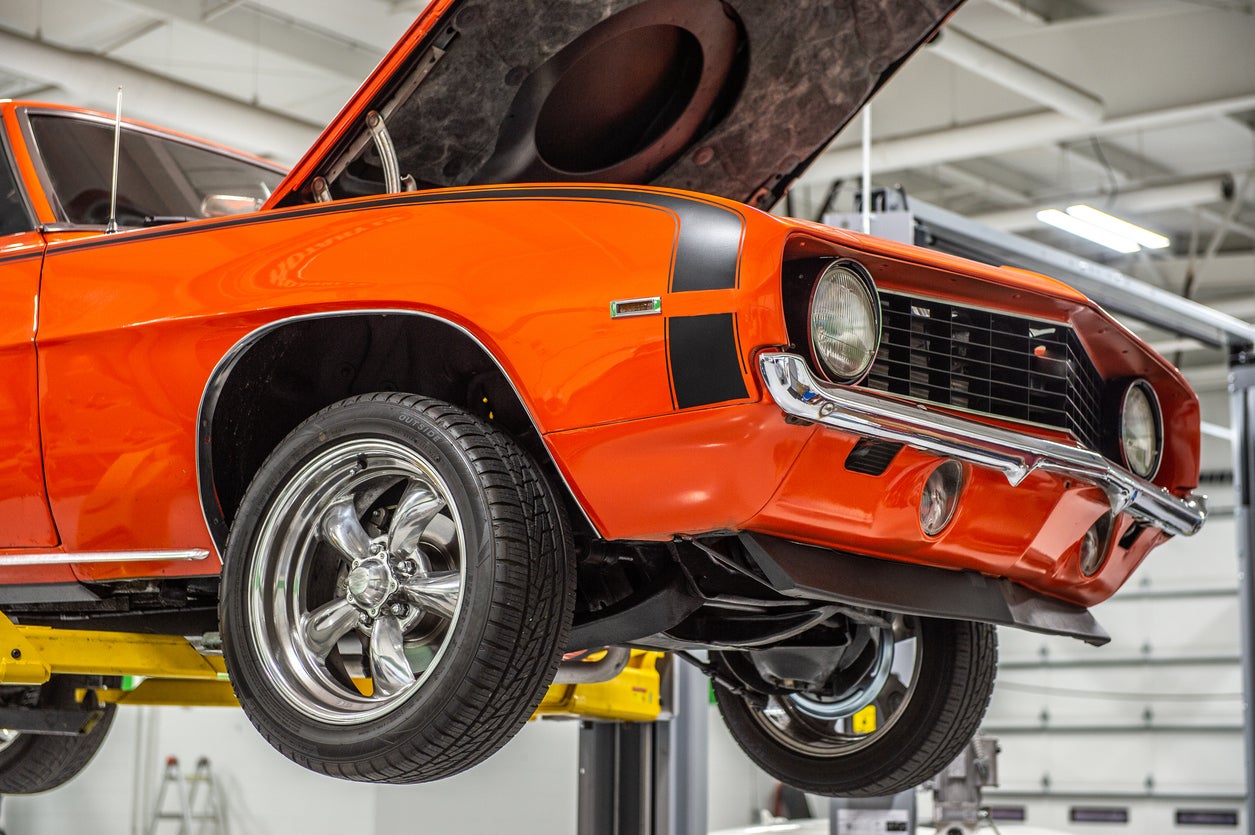
Welcome back to another edition of our Gearhead Guru Series, in which we help you become the best version of yourself as an automotive enthusiast. Today, we’re focusing on some maintenance tasks and tips for keeping your collector cars and vintage cars in their best condition.  Let’s get learn how to care for your classic car and keep those vehicles pristine for years to come! The Basics of Maintaining and Storing a Classic Car The care and keeping of your vintage and classic collectible vehicles is paramount! These basic maintenance tips and checks will save you a lot of hassle and large ticket repairs down the road.  Learn how to properly prepare your car for long term storage, keep you car in top shape while its actively in use, and how to spot signs of damage before they become a larger issue. Always use the correct type of gas. Collector cars tend to be older and have differing needs to the average modern car. While modern unleaded gas contains a percentage of ethanol, this may not be ideal for your vintage collectible. We recommend utilizing “recreational gas” often sold for use in boats, RVs, campers, etc, as this is generally an ethanol-free option. A good practice for all drivers, but especially in the collectible car market, is to always maintain a half a tank of gas or more to help prevent damage to the fuel system and fuel pump. Remember to use the correct motor oil. Collector cars generally require a conventional oil, instead of the modern day synthetic options. If you’re not sure, or your vehicle does not have its owners manual, your trusted service technician can help you identify the best option. Even if your car is traveling less than 1,500 a year, you still have to change your oil at least every 6 months. For collectible and antique cars that may be sitting in storage longer, you should maintain a schedule of at least once yearly oil changes plus oil filter replacements at minimum.  Keep a regular eye on your oil levels as well, never letting it dip low to prevent long term damages. Regularly inspect for signs of excessive wear and rust, and keep it clean both inside and out. Older cars are more susceptible to rust and rot, especially on the undercarriage and wheel wells. Bringing your classic car into a professional car wash and detail once a month or every other month is recommended to maintain the exterior paint and prevent buildup.  Cold weather months can have an added risk for salt build-up and road gravel damage, so you will want to rinse it off weekly if driving in cold winter weather.  While you can certainly wash and maintain it at home, we do recommend occasional professional cleanings to ensure no details are overlooked to help prevent rust.  If you go the DIY route, steer clear of the power washer as it may cause more harm than help by stripping away protective coatings and paint.  Cars that sit in storage may also take on a couple of hitchhikers like mice, chipmunks, and related rodents who take up residence in the stationary vehicle for warmth and safety; be sure to check the interior fabrics and upholstery for signs of rips, tears, and animal droppings. Inspect and maintain the tires. Since classic cars are generally not a daily driver, this means they’re spending a lot of time in storage. While tires can last for several years, factors such as weather, heat/humidity, duration of storage time, driving habits and frequency all have a heavy impact on durability and longevity. It’s important to take your classic car out for a spin and regularly condition and clean the tires to prevent dry rot and other issues.  Make sure you’re checking tire pressure and inflating appropriately to proper PSI. Keep up with regular tire rotations and tread depth checks as well. Change and flush the fluids. Bring your classic car into a professional auto body mechanic to have the transmission fluid and differential fluid flushed and changed.  The cooling system should be flushed out annually to help prevent corrosion, clogging, and build up. Let your mechanic know how long the vehicle will be stored for so they can help you find the correct ratio of distilled water to coolant for optimal storage.  Your mechanic will also want to bleed the brakes twice a year for proper maintenance and even wear on the brake pads and rotors. Store your classic vehicle properly. Car collecting enthusiasts recommend maintaining a temperature-controlled environment not exceeding or going below 50 degrees for optimal storage, and never above 70 degrees.  A heated garage or climate controlled storage facility are preferable, and one that utilizes a dehumidifier to maintain no more than 40-50% humidity, especially if you live in a humid or wet weather prone area. The environment should be clean and dry to prevent humidity causing rust and other degradation. Additionally, store your car with a full tank of gas to prevent condensation and moisture build-up during storage. Consider purchasing a high quality vehicle cover that’s custom fitted to your make/model for best protection. Ensure the car has been fully washed, vacuumed, and adequately detailed before entering storage to help prevent mold and mildew. Consider also utilizing a “tire saver” or tire cushion to prevent flat spots during longer term storage. Be sure to still perform regular annual maintenance on your stored vehicles. Here’s some additional information and professional advice for classic vehicles: How to Shop for a Classic Car with Jay Leno’s Garage Should You Buy a Classic Car? Scotty Kilmer is Here to Help Goss’ Garage Long-Term Storage Tips How to Maintain A Classic Car from Classics World Tips for Classic Car Repair from Motor Week

Wellfleet Drive In, Cape Cod

Celebrating the Quintessential American Drive-In Movie Theater - Local Drive-In's and Must-See Gems Across the US

There’s nothing that reads more quintessentially American than a good ol’ fashioned Drive-In Movie theatre.  There’s just something so charming and exciting about hooking up a speaker to your car, or tuning in the radio to a special channel, and watching a movie on a gigantic screen with the stars overhead!  Today, we’re celebrating the great American Drive-In theatre with some of our favorite local drive-in options in both Wisconsin and Illinois, as well as must-see gems across the United States that make a fantastic summer road trip stop.  With less than 400 theatres in operation as of 2024, it’s vital that we help support these businesses and keep them alive for generations to come! Do you have any movies of visiting a drive-in theatre with your family? Is your favorite drive-in still operating? Let us know in the comments! Best Best Local Drive-Ins The Milky Way Drive-In in Milwaukee, WI Chi-town Futbol and Movies in Chicago, IL McHenry Indoor/Outdoor Theater in McHenry (formerly the Skyline Drive-In) Blue Moonlight Drive-In Theater in Galesburg, IL Harvest Moon Drive-In Theatre in Gibson City, IL The Chicago Drive-In in Bridgeview, IL The Cascade Drive-In in West Chicago, IL Midway Drive-In, Sterling, IL Route 66 Drive-In Theater Hi-Way 18 Outdoor Theatre in Jefferson, WI 49er Drive-In Theatre in Valparaiso, IN Route 34 Drive-In in Earlville, IL Melody Drive-In in Knox, IN Skyview Drive-In in Litchfield, IL Drive-Ins Across the Country to Explore On Your Road Trip Blue Grass Drive-In Theater in Blue Grass Iowa - This is a wonderful multi-screen drive-in celebrating its 9th year in business!  Purchase tickets online and order concessions right to your car to enjoy during one of their double feature family movie nights! Elko Drive-In in Elko New Market, Minnesota - Conveniently located just 30 minutes drive from Minneapolis, this charming single-screen venue has been open since 1964, and continues to offer a variety of family favorites, summer blockbuster hits, and first-run movie premieres! Ever Green Drive-In Theatre Mount Pleasant, Pennsylvania - This vintage theatre is a 3-screen drive-in offering a variety of movie options for just $10 cash admission, with options for all-ages visitors. Arrive before sundown to get the best spot, as movies start promptly when the sun sets. Ford-Wyoming Drive-In, Dearborn Michigan - This is one of the country’s largest operating drive-in theatres, and it offers multiple theatre screens and showings.  It’s also pet friendly provided your pets remain on leash when outside of your vehicle.  Prices are per vehicle, regardless of number of occupants, but single-occupant vehicles will enjoy an $11 voucher towards concessions on the house. Hull’s Drive-In Lexington Virginia - This non-profit movie theater has been in operation since 1950, and was saved from closure in 1999/2000 by a group of impassioned locals who founded the Hull’s Angels nonprofit to keep the lights on for years to come! It offers a variety of double and single feature movies from retro and classic film to new and blockbuster hits! Park Place Drive-In Theatre in Marion, Virginia - The 240 car theater was first opened in 1954 and remained operational until 1983. In May of 2000, the theatre reopened for seasonal showings and has been a family favorite since!  There’s a puttputt golf course, an arcade and Hershey’s ice cream stand! Shankweiler’s Drive-In Theatre Orefield Pennsylvania - This single-screen vintage drive-in is located just an hour outside Philadelphia, and is known as “America’s oldest drive-in”, operating since 1934! Starlite Drive-in, Litchfield, Minnesota - One of only four remaining drive-ins in the state, this theatre opened its doors in 1956 and has been delighting families for generations!  It’s reopening signals the start to summer for locals, and offers two screens for its guests to enjoy with plenty of options new and old! Stars & Stripes Dr-veIn in New Braunfels Texas - With three screens of movies to choose from, including first-run movies, you and your family will have a blast here! There’s also a fantastic vintage inspired cafe with plenty of traditional movie drive-in snacks to enjoy. They’re also open rain or shine, making it a great activity to get out of the house and do something unique with the family! Sunset Drive-In San Luis Obispo California This theatre is one of the very few remaining drive-ins across all of California. It first opened its doors in 1950, and continues to remain independently owned and operated, providing plenty of nostalgia during its single-screen double feature evening shows. Stop by the snack bar for a blast from the past, or bring your own snacks and drinks if you’re on a budget. The Family Drive-In Theatre in Stephens City, Virginia - This  family-run  mid-century vintage gem is the only drive-in still operating in the DC Metro area!  For a trip down memory lane, you’ll even get to use the classic car speakers, which we really think makes for a special experience the whole family can enjoy. Arrive early with your fidgety kids and let them get the wiggles out on the theatre playground before the movie starts, and you’ll be all set for a relaxing movie night

Funny woman with dog in pink car

Service Trips and Tips for Summer Car Care

Today we’re back with another helpful service tip post and things to remember when embarking on Summer adventures and travel!  Be sure to give your vehicle a very thorough inspection, and check the vehicle inside and out and under the hood.  Our friendly and knowledgeable service technicians are here to help if you have any questions. Make sure you have a comfortable and clean vehicle interior. Consider getting your car professionally detailed, and add a designated receptacle to collect trash. You’ll be spending a long time in your vehicle en route to your destination, and a clean car can help maintain your health and allergies, as well as giving your passengers a comfortable ride. Consider getting a neck, tailbone, and/or lumbar support pillow to keep you comfortable on long distances. Check and Test your A/C, and bring it in for a service before you hit the road. Don’t wait until the sweltering heat is already in full-force before you test your Air Conditioner.  Make sure the fans and cooling unit are working properly before the summer gets here, and get it tuned-up and repaired if not! Check Tire Air Pressure and Rotate Tires After several day-trips or even a lengthy drive to your vacation destination, your car tires are going to have seen their fair share of wear-and-tear.  Check the tread depth for signs of wear or uneven tread; replace or patch any damaged tires.  Check the tire pressure before you depart on your next adventure, and especially with any 10 degree temperature change outside. Inflate them to the recommended PSI from the manufacturer’s guidelines. Make sure you bring your car in for a wheel alignment check and have the tires rotated to ensure even wear. Stop ignoring your dashboard lights, bring it in for a checkup before you embark on your journey. Bring your car in for a general tune-up and check-up and get a reading on all those blinking lights you keep trying to ignore.  Don’t wait until your car breaks down or strands you on your summer road trip!  Get things taken care of now, so you can enjoy all of your day-trips and vacations without any added stress. Change Oil and filter Each vehicle make/model will differ in mileage requirements for oil changes, but most are between 3,000 and 6,000 miles between an oil change service.  Be sure that you bring your car in at the appropriate mileage markers especially if you’ve been making frequent drives or a long journey.  It will ensure your vehicle runs more efficiently in hot weather, reducing the chance of a seized engine or fuel inefficiency. Clean and/or replace air filter Summer heat means running the AC frequently, and that can lead to a need to replace your air filter in just one or two months as opposed to the usual 3.  Make sure you’re regularly checking the filter and cleaning it as needed, or replacing it earlier if you’ve been doing a lot of driving this summer.  It will ensure that your AC runs properly and can consistently cool your vehicle. Top off Fluids and grab some extras. While it’s important to keep your car’s fluids in check on the regular and with each seasonal maintenance, it’s imperative that during the summer months you especially keep an eye on your Coolant and motor oil levels. An increase in summer travel along with high-heat can mean these fluids are depleted quicker than average, and the last thing you want is to be stranded on the highway with a seized engine.  Make sure that you have Antifreeze/Coolant topped off as well as the appropriate oil before you leave on a long trip.  Consider adding a small box of bottles of your vehicle’s required fluids in the backseat or trunk in case of emergencies. Remember to stop for gas frequently, whenever you see a fueling station. Take advantage of a chance to top off your tank even if you still have ¾ left. You never know when you’ll encounter unexpected traffic or delays.

Exchange money and car keys Car Trading and Loan

Driving Habits and Tips That Can Save You Money

Who loves saving money? Yeah, we do, too!  Vacation time is nigh, and we could all use a little extra cash in our pockets to have some more fun and make new memories with loved ones. That’s why on today’s blog we’re talking all about driving habits and tips that can save you money.  Just think about all the possible new adventures you can have on the road knowing you can save a few dollars and enjoy an extra excursion or two. A penny saved is a penny earned, after all! Tip #1 Consider commuting with a friend, family member, or coworker at least twice a month. Rotating who is driving to and from work, or carpooling to a shared activity can reduce wear and tear on your vehicle.  Another option would be to sign up for ride-share services and pick up a passneger ror two to drop off on your way two and/or from work, to generate a little cash on a ride you’re making every day, anyway! Tip #2 Kicking up your speed? Put up those windows!  Driving with your windows down above 65mph adds a lot of drag and can decrease your car’s aerodynamics, slowing you down and requiring more fuel to run. Turn on the AC unless you’re driving under 55-65mph, at which point you can turn off the AC and open the windows to save money on fuel and energy.  You can also park in shaded spots or inside parking garages to reduce the heat; it will take less time to cool down when you need to drive again. Tip #4 Clear out the clutter at least once a month, but ideally before the start of your work week.  It’s no secret that many of us lead very busy lives on the go, hustling and bustling from here to there and back again.  It’s very easy to accumulate a lot of “stuff and things” in our trunk, side pockets, and back seat. Go through and clear out the trash, containers or bottles, or heavy items that need to go inside your house or garage. The more unnecessary weight you're carrying around while driving, the more fuel you’ll spend! Tip #5 Save a few bucks by being choosy about the time of day and week you fuel up, and select your credit card wisely! Fill your car at the start of the week, as gas prices usually rise higher by the end of the week, and plan to go early in the morning or later in the day when the temperatures are cooler.  Gas expands when heated, so it will be denser and you’ll get better miles per gallon. When it comes time to pay, choose a card that offers rewards such as fuel gift cards, cashback, or even a discount per gallon at the pump Tip #6 Remember to change your air filter and oil filter regularly. These both help your vehicle’s engine run more efficiently and smoothly.  The oil filter should be swapped out with every oil change.  The air filter should be changed every 10,000-15,000 miles.  You can save a few extra dollars as well by learning how to change your own oil and filters at home now and then. Tip #7 The harder you accelerate, and the higher your speed, the more fuel you’ll be using.  In order to save fuel, and money, you’ll want to drive conservatively by keeping a reasonable distance between the person in front of you, reducing your need to brake/accelerate frequently.  Maintaining a steady speed on highways will reserve fuel and give you better mpg. Typically the best fuel economy is between 55-65mph.  Using cruise control or Eco Mode whenever possible may also help you save money and reduce stress on the engine. Tip #8 If you’ve got a car loan, you can save a significant amount of money over time by paying ahead. $10 or $20 or $30 can actually save you quite a bit of money in the long run by paying down the principal faster, thus decreasing your interest paid.  Received a special bonus or commission check at work? Consider using part of it as an occasional large additional payment towards the balance as well, and try to do so at least a few times a year.

Contact Us

Fill out this form below and we'll contact you shortly
*Required Fields