Today: 9:00AM - 7:00PM

Blog

All Classic Kia Arts and Culture Classic Kia News Featured Local Things To Do Food and Drink Travel Blogs Waukegan Kia Dealer Kia Models Pets and People Kia Information New Inventory Waukegan Kia Service Gift Guides and Gadgets Waukegan Used Cars
Alpacas in the pasture

Amazing Alpaca Farms in Illinois and Wisconsin

There’s nothing we love more than finding exciting and interesting new places to explore right in our own backyard!  Today, we’ve found some really neat farms to visit in the Greater Chicago Area, Lake County region, and just over the state line into Wisconsin.  That’s right, folks, we’re celebrating National Alpaca Day with a great list of exciting local and regional Alpaca Farms to tour.  Get an up close look at these incredible animals, a chance to pet them and feed them, as well as learning more about the history of alpaca in the fiber industry across the globe.  It’s a unique experience and opportunity to learn and get some great photo ops to boot.  Check it out on today’s blog! What is an alpaca? These goofy little guys are a smaller species of South American camelid mammals which are often mistaken for llamas, though the two are closely related and have been successfully cross bred.  They have an average lifespan of 15 to 20 years. Why do farmers raise alpacas? In the United States, alpacas are bred as a source of fiber production, which is quite profitable as their wool is harder to process, harder to acquire, and more expensive to make. In South America they’re also used as a food source similar to how we breed cattle, sheep, pigs, etc. How can I meet or learn more about alpacas? The best way to learn about these fuzzy farm animals is to visit a farm in person!  We’ve got a great list of local area alpaca farms to check out. You can get up close and personal with some for petting and walking, learn about fiber processing, buy some alpaca clothing or yarn, and so much more. Magic Meadows Alpacas is located in McHenry, IL and is our top recommendation for fun and interesting places to visit for alpaca aficionados!  Call to schedule an appointment for a private tour; visits are by appointment only unless you’re attending the public open house events posted to their site.  Enjoy a 45 minute long private tour of the grounds, learn about alpacas, browse gifts on site, and meet some of the alpacas in person! Ye Olde Alpaca Shoppe and Safehouse in Barrington, IL offers visits by appointments or you can book the farm for private events such as weddings, birthdays and more.  15 years agp. SafeHouse Farm began breeding alpacas as pets, hobby farming, and show-quality stock.  Today, they’ve opened their farm to visitors to help increase awareness about farm life, animal husbandry and care, handling and feeding, and sharing education and general compassion for animals. Krolls Harvest Farm in Waukegan, IL offers an opportunity to meet, feed, and even pet a variety of farm animals including alpacas! Other great places in the area to learn about or meet alpacas include: Lambs Farm in Libertyville, IL Patch 22 in Wadsworth, IL Kamins Farm Sanctuary in Grayslake, IL Jerry Smith Pumpkin Farm in Kenosha, WI Richardson Farms in Spring Grove, IL

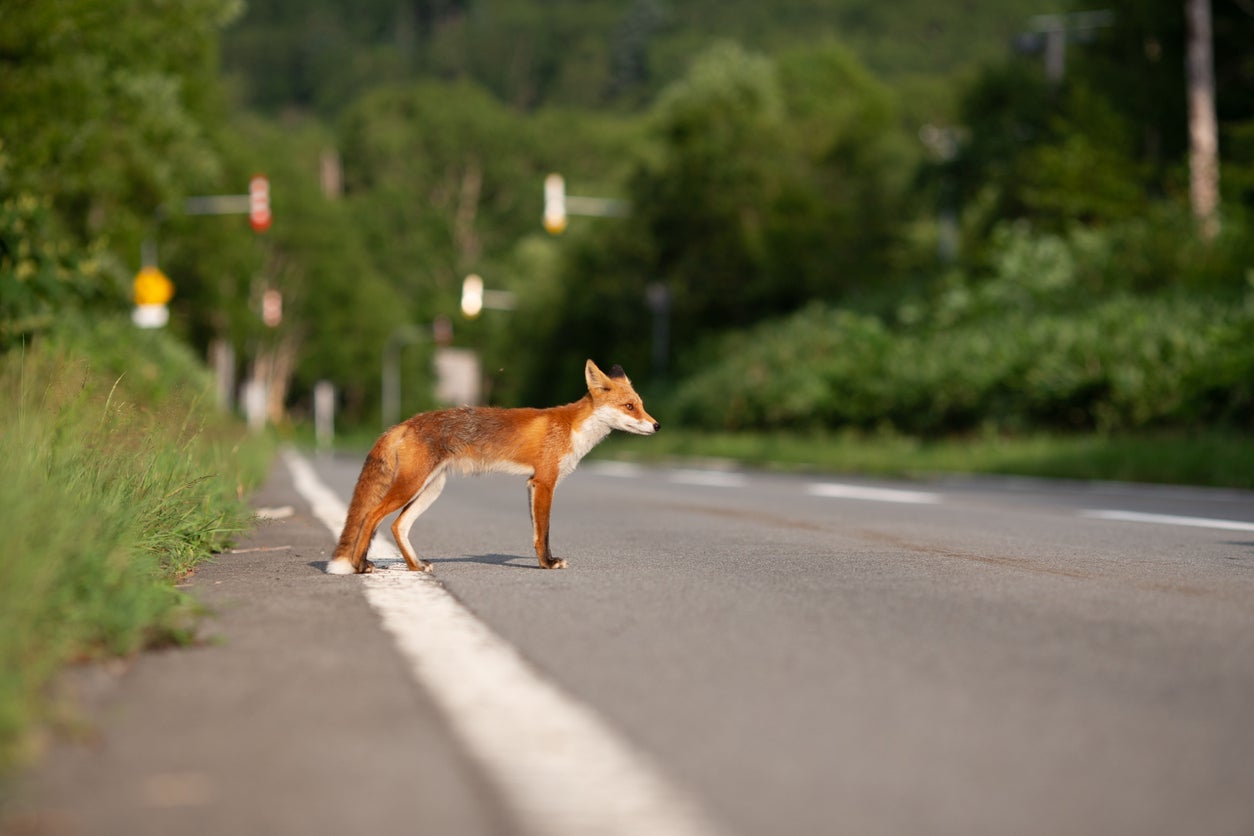
Wild fox waiting for tourists to get feed

National Road Kill Day: How to Drive Safely When Wild Animals are Present

We love sharing driver tips and tricks with our readers!  Today, we’re sharing something that may be a little unconventional for a blog topic, but at the same time is a pretty regular occurrence on the road.  According to AAA and the Federal Highway Administration, nearly two million collisions occur between wildlife and vehicles annually in the US. Since today is National RoadKill Day, we’re here to help you navigate the ins-and-outs of driving safely around wildlife, what to do if you accidentally hit an animal, and how to remove roadkill out of the main path until authorities can arrive.  (Be sure to share this advice with younger drivers, too, so they can be in the know and drive as safely as possible.) How to avoid collision with animals and wildlife: Stay alert, be vigilant. Be on the lookout for signs that indicate a high animal crossing area. You may notice species specific signs such as deer, moose, bear, etc depending on the area you’re traveling in.  If you’re driving in rural areas, you may notice signs for cattle, sheep, and other domesticated farm animal crossing areas.  During migration seasons, additional road signage may be added to highways and streets alerting drivers for high-traffic areas of wildlife migration. Keep your own pets safely stowed inside the vehicle cabin in crates, car seats, or other safety restraints; simply placing the animal on a passenger/driver’s lap or holding them in your arms is not sufficient. If you’re traveling with your faithful furry companions in tow, it’s important to be mindful of their behavior when approaching wildlife on the road. Make sure that your pets are safely secured with restraint devices, to avoid additional distractions such as them lunging, climbing, or jumping forwards to get a closer look. Make sure that your pet is unable to lean out of or squeeze through any open windows or hatchbacks, being mindful to trigger window-locks, child-safety features in the rear doors, and otherwise barring escape routes. Escaped family pets chasing wildlife can cause additional stress and accidents on the road! Pay extra attention during Dusk and Dawn. Many animals are crepuscular, meaning they’re primarily active at dawn and at dusk, the times that they feel are safest to avoid their predators. This means that your chances of collision are higher during these hours, so you’ll want to remain extra attentive.  The animals may be more prey or food focused as well, and may leap to grab a bite to eat without cautiously surveying the area. Be prepared to stop more frequently. Where there is one, there are likely many! Lots of animals move in groups, flocks, and herds.  If you notice one lone animal or a few sparse stragglers crossing, stop and pause to observe if there are additional animals coming behind them. It’s always a good idea to err on the side of caution and wait to see if there are more nearby. Be mindful of Seasonal factors such as wet leaves, rain, snow, and ice. Certain animals may also be more visible or less visible in different weather conditions. Check the wildlife in your area for their seasonal mating patterns, and be extra attentive during those times.  Some animals may also venture out with their offspring in the Spring/Summer season, increasing regional populations. Being mindful as well of any wet, slippery, and icy conditions can help you maintain safe distance and reasonable speeds to further reduce your statistical chances of accidents in this time frame.  Additionally, October through December are peak mating and hunting season times, so animals are more likely to be on the move. Use your high beams and reduce your speed. Many of these animals will do their best to avoid bright light, and it may increase your chances of preventing a collision. Animals will see the lights coming, and steer clear of the roadways. Likewise, this can provide additional visibility on dark or dimly lit roadways, providing you extra safety measures in spotting wildlife before it's too late.  Flicking your high beams on and off at incoming wildlife may also encourage them to turn around and avoid crossing. Be on the lookout for loose dogs and stray cats, especially in urban and residential areas. While it would be ideal if Fido and Fifi could stay in their homes or yards or safely attached to leashes, accidents happen and sometimes household pets make a break for it.  In busy city areas or suburban streets, your chances of coming across a stray dog or cat increase.  Additionally, some people do not obey leash laws and allow their dogs off-lead walking space, which can lead to animals darting away from their owners unexpectedly to chase another animal or greet someone across the street. Driving the posted speed limit in these areas is important, to avoid hitting someone’s household pet and causing injuries or death. Use your brakes, but don’t swerve! Reducing your speeds, honking the car horn, flashing your lights, and tapping your brakes can not only warn the incoming animals but may alert other drivers behind you or in front of you.  If there are no other drivers behind you, hard braking to avoid collision is recommended.  If you find collision is inevitable, do your best not to swerve, and instead maintain control of your vehicle so you don’t veer off the road or skid into other obstacles or cars. What to do if you find roadkill on the street: Roadkill should be removed from roadways as soon as possible; call local authorities. Leaving the deceased carcass in the road can cause additional accidents as drivers swerve to avoid hitting it, as well as attracting additional scavenging wildlife to the area hoping for a meal.  The best way to remove the roadkill is contacting local authorities; animal control or other law enforcement agencies will come to the area to remove it. If you must remove roadkill from your property or quiet street yourself, follow important safety precautions. Wildlife carries a high risk of transferring pets, diseases, bacteria, and other zoonotic illness, and this is especially true of deceased animals.  It is best that you call local pest removal companies to dispose of the animal.  However, if you are in a situation where  this is not possible, and the carcass needs to be removed immediately, follow safety protocols. Make sure you do not touch the roadkill with your bare hands; though as mentioned it is inadvisable to move the roadkill yourself, if you must, be sure to use a mask, thick gloves as well as a shovel or other implement that enables you to lift it without touching it and transfer it to heavy-duty garbage bags, and place safely out of the way of incoming drivers. Clean the area by hosing it down and using an environmentally friendly disinfectant to clean the area of hazardous bacteria. Do not attempt to salvage or reclaim the roadkill. Some sport hunters and taxidermists may be tempted to take the roadkill home to repurpose, but in most states this is strictly prohibited. Some states or towns may allow this with specific permits or tags if it is then registered with local state authorities within a limited time frame (usually within 24 hrs). Again, this is not recommended due to high risk of disease and parasites, and you should always adhere to local and state regulations.


Happy best friends having fun on a kayaks. Kayaking on the river.

Great Rivers in Illinois to explore for World Rivers Day

World Rivers Day was created to remind communities of the critical importance of rivers as waterways and as pathways to communities all across the globe. Not only do they provide environmental protection to wildlife, serve as vital sources of fresh water and food, provide estuaries and passageways for travel and transportation, and an overall life support for global ecosystems. In the United States we have more than 250,000 rivers, totaling out to 3.5 million miles, each of which are vital resources for fresh drinking water as well as the food we consume daily.  Not only that, but they’re also incredible opportunities for us to enjoy recreational activities such as fishing, swimming, canoeing, rafting, and kayaking! Illinois has more than 87,100 miles of rivers and streams within state lines, and 880 miles of rivers along its borders.   Learn more about canoeing and Kayaking throughout the state here! Here’s a look at some of the longest rivers in our state: The Mississippi River is the world’s 4th longest river and North America’s longest river!  580 miles of which runs through Illinois; it is the state to have the largest population living along the river. This includes towns such as East Dubuque, Galena, Nauvoo, Hamilton and more. The Illinois River is about 270 miles long, and is a primary estuary for the Mississippi River.  You can travel along 150 miles of the Illinois River Road Corridor and visit the cities and towns along the way including: Ottawa, Marseilles, Princeton, Henry, Peoria, Canton, Pekin, and Havana just to name a few!  Activities include birding, nature photography, fishing, rafting, kayaking, and canoeing. The Ohio River is 981-miles long and located at the boundary between the midwestern and the southern US. The Illinois portion of the river begins at the mouth of the Wabash River and flows 133 miles to confluence with the Mississippi River at Fort Defiance.  Towns along the Ohio River banks include Cairo Old Shawneetown, Elizabethtown, Golconda, and Metropolis just to name a few. The Wabash River is a tributary of the Ohio River, and is 503 miles long. It flows to southern Illinois where it forms the border between Indiana and Illinois.  You can  gain access to the river from Hutsonville, Westport, St. Francisville, Mt. Carmel, Grayville, Maunie, and New Haven.  This is considered a very challenging river to navigate even by the most experienced boaters, as the water depth can vary anywhere from 6 inches to 50 feet deep!  It is prized by anglers, however, for its unparalleled access to fish not found on any other water source in Illinois. Rivers to Visit and Explore in Lake County area: Buffalo Creek Des Plaines River Fox River Nippersink Creek Skokie River Waukegan River

Kids collecting garbage in garbage bag while cleaning public park

How to Celebrate National Public Lands Day with NEEF

September 23rd is National Public Land Day, celebrated annually on the 4th Saturday of each September.  It promotes both the enjoyment of and volunteer conservation efforts for conservation of public lands; it was created by the National Environmental Education Foundation. NEEF aims to make our environment more accessible, relatable, and relevant and connected to the daily lives of all Americans. NEEF has spent decades cultivating an environmentally conscious mindset through funding community outreach programs, critical STEM/STEAM programming to foster public land conservation and health in K-12 groups, promote environmental literacy, and partnering with diverse groups in local communities to make environmental care accessible and enjoyable for all! What began as just one federal agency, two sites, and 700 volunteers, National Public Lands Day has grown into the largest single-day volunteer event for maintaining public lands.  In celebration of this special day for fostering a strong connection between the public and the environment, it’s also a “Fee Free Day” at all National Parks and Public Lands! Did you know that even kids and teens can participate in projects?  NEEF has a host of youth friendly environmental education resources to help even our youngest community members learn to care for our planet and be environmentally responsible! 30th National Public Lands Day: 70,000+ Volunteers Gear Up to Enhance Parks, Forests, and Waterways Across the Country on September 23! Here’s where you can help locally: If you’d like to take part in the celebrations, head over to the Grove National Historic Landmark to learn about The Grove’s history, and participate in a restoration work day led by NEEF’s Natural Resources Manager in Glenview, IL. Celebrate National Public Lands Day by volunteering with Friends of Loomis St. Gardens and Skinner Park Advisory Council. Activities for all ages. No experience necessary. Refreshment and lunch provided. And Round Lake Logging Dam, Northern Wisconsin is a hub for this year’s efforts, too! US Forest Service staff will host a Fall Colors Photography Tour and BioBlitz at the Round Lake Logging Dam, first constructed in 1876 and restored in 1995. Attendees will have the opportunity to take a walk through history among hardwood and hemlock trees while taking photos of local biodiversity to share with local researchers using the iNaturalist app. Here’s some great National Parks to explore! Apostle Islands National Lakeshore in Bayfield, WI encompasses 21 islands and 12 miles of mainland coastal protected areas.  In addition to the incredible bluffs on the shores of Lake Superior, it’s also home to the largest collection of historic lighthouses in the nation! Chequamegon-Nicolet National Forest in Rhinelander WI spans a jaw dropping 1.5 million acres of unspoiled wilderness across Wisconsin’s Northwoods.  You’ll find no shortage of outdoorsy activities such as canoeing, hiking, cycling, paddling, cross-country skiing, camping, fishing, and more. Shawnee National Forest in Herod IL encompasses 289,000 stunning acres of parkland located in Southern Illinois and nestled between both the Ohio and Mississippi Rivers.  Visitors will find breathtaking scenic views from the top of great canyons and sandstone cliffs, and stunning crystal clear waters and rocky streams. The many lakes, ponds, waterfalls, rivers, and streams of the area are perfect for fishing and swimming, and the sprawling prairies and woodland trails are perfect for hiking, cycling, trail running and more. Upper Mississippi River National Wildlife and Fish Refuge in Thomson IL is the longest, contiguous river refuge in the continental US at 261 miles in length!  The refuge includes protected wetlands, islands, marshes, and floodplain forests, many of which are accessible only by boat. Some portions of the refuge are open to seasonal hunting, trapping, and fishing but they do have very restrictive regulations. Amazing State Parks to explore in Illinois all year round: Rock Cut State Park in Caledonia Moraine Hills State Park in McHenry Matthiessen State Park in Oglseby Ferne Clyffe State Park in Goreville White Pines Forest State Park in Mt Morris Mississippi Palisades State Park in Savanna Lowden State Park in Oregon IL Apple River Canyon STate Park in Apple River Lake Le-Aqua-Na State Park in Lena Kankakee River State Park in Bourbonnais Staved Rock State Park in Oglesby Buffalo Rock State Park in Ottawa IL Cave-In-Rock State Park in Cave-In-Rock Illini State Park in Marseilles Chain O’ Lakes State Park in Spring Grove Glacial Park Conservation Area When you’re visiting national parks and preserved public lands, be sure to be a conscientious visitor! Be sure to abide by these tips and rules for responsible and eco-conscious behaviors: Be prepared for anything. National public lands are wilderness environments, and some are quite far from “civilization.” Be sure to pack enough food, water, and emergency supplies for your whole party. Live by the Leave No Trace principles. Whatever you bring into the public lands and parks needs to make its way out with you.  Whether the garbage is man-made or natural (fruit peels, veggie waste, pits and seeds from fruit, etc) it all needs to leave when you do.  This helps prevent growth of invasive species, or cluttering our trails with garbage. Check out our previous blogs for convenient car accessories for camping and trash collection. Never feed wildlife or animals. Wild animals depend on instinct and natural foraging skills to survive; visitors who feed wildlife can inhibit the animals self-sufficiency.  Animals who depend on handouts from humans can be destructive and invasive as well as endangering the survival of their own species. Always read the posted signage at the entrance and within the parks. Signs posted in and around national parks and public lands are there to protect you as much as they are the wildlife and environment. Adhere to posted signs to stay on the trails, conceal your food, or avoid specific areas, etc. Know your limits and keep it close. Adhering to openings and closings of parks will help ensure your safety and wellbeing.  The same can be said of not taking risks such as exploring “uncharted” areas or going off trail in posted areas.  We’re in the midst of a global pandemic, battling environmental issues such as widespread forest fires and flooding, and it is creating a crisis for first responders and medical professionals.  Being conscious to mind the rules and regulations of parks can prevent unnecessary accidents such as injury or death, both in the parks and in the general public, due to a lack of timely response or shortage in supplies and rescue equipment. Check out this list provided by the NPS in the US for additional information and precautions.

Native American Day background. Vector

Visiting the Dickson Mounds at Illinois State Museum for Native American Day

Today is Native American Day, and in honor of that, we’re highlighting a local destination, the Dickson Mounds at the Illinois State Museum, so you can get an up-close and personal look into the history of Native peoples in our region’s history. Located in West Central Illinois in Lewistown, t he Dickson Mounds Museum is  a branch of the Illinois State Museum and is also listed on the National Register of Historic Places. As one of the major on-site archaeological museums in the US, it offers a truly unique opportunity to explore 12,000 years of Native American history in the Illinois River Valley.  Visitors can explore the interactive and interpretive exhibits, learn about archaeological sites, and attend ongoing special events and workshops on local history. With more than 15,000 square feet of exhibits, there’s no shortage of educational opportunities. Permanent collections include “The River Valley Gallery”, featuring the connection between local indigenous people and the Illinois River from Ice Age to the present day; People of the Valley exhibit hosts a collection of artifacts, murals, photographs, and hands-on exhibits from Ice Age to the 19th century; The Discovery Center is a perfect family-friendly, all-ages exhibit where visitors can enjoy a history session through the joy of play. Running now through December 2023, the museum is hosting “Interrupted Journey: A Photographic Journal of Bird Rescue and Relationship” as a temporary exhibition. Through the photographs and journal entries of Ojibwe/Anishinaabe artist Nora Moore Lloyd, visitors will explore the relationship between art, artist, and her work with bird rescue and release in the Chicago region.  Each photograph honors the local area birds which have been displaced and interrupted by human activity, and is rooted in Lloyd's indigenous perspective of mutual respect and friendship with the natural world. If you’re looking for something unique to do, the museum is hosting some wonderful events upcoming! On Saturday, September 30th at 1PM, stop by the Dickson Mounds Museum for Girl Scouts of Illinois as they present “Trees, Flowers, and Bugs! Oh My!” where girl scouts can explore the path of the Naturalist at ISM-Dickson Mounds. On Thursday, October 5th 15 9:30AM, you and your tots can stop by for this month’s “Tot Time” event featuring farm animals! And that’s not all.  Check out the f ull calendar of events at Dickson Mounds Museum here.

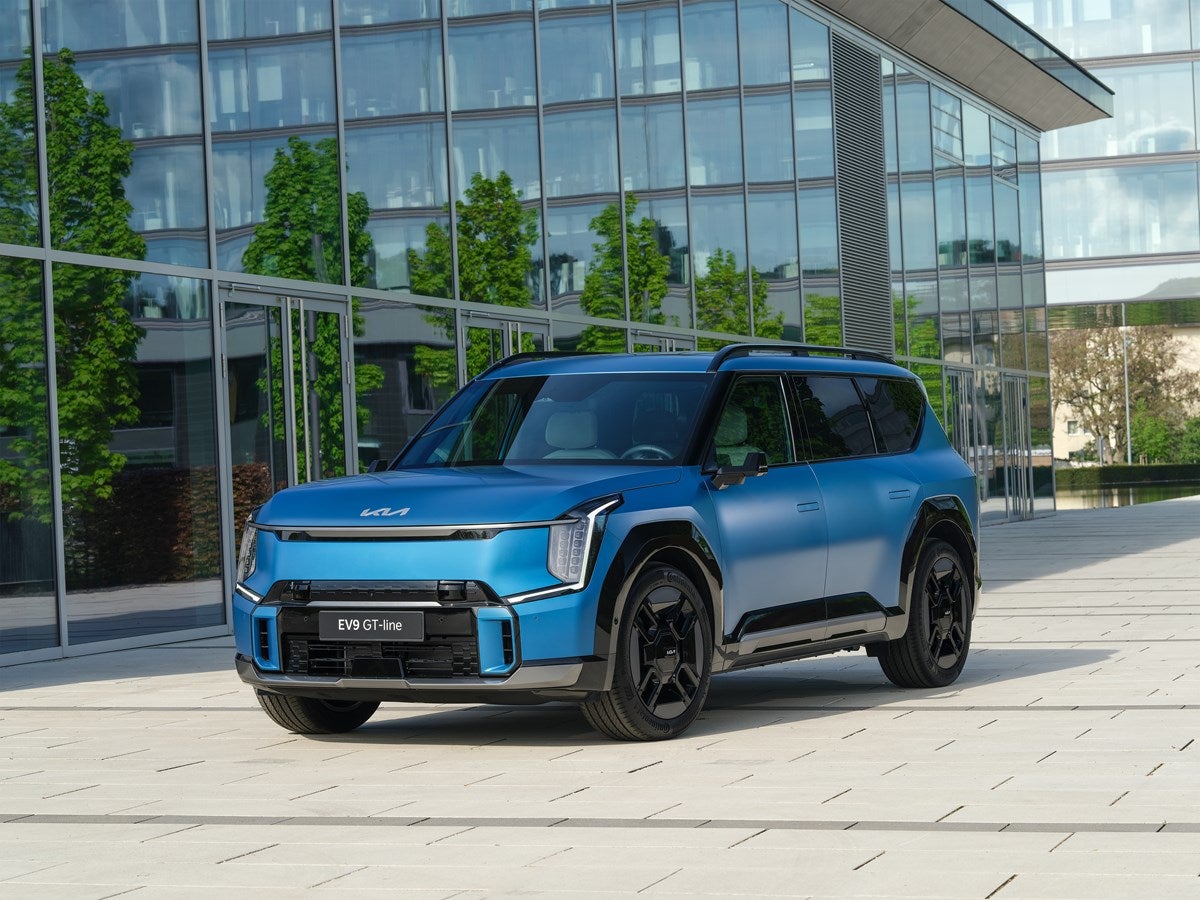
The Kia EV9 Wins Luxury Category in German Car of the Year 2024 Awards

The Kia EV9 Wins Luxury Category in German Car of the Year 2024 Awards

Here at Classic Kia of Waukegan, we really love being part of a brand that is committed to upward mobility in sustainable practices, forward thinking business practices in innovative green technologies, and always moving forward and growing in leaps and bounds.  That’s why today we’re so thrilled to announce that the Kia EV9 has won the Luxury Category in the German Car of the Year 2024 Awards.  The Kia EV9 has continued to soar above the competition, making it a top pick for an environmentally responsible electric daily driver vehicle.  Let’s take a look at what makes this car rise a cut above the competition. Chosen by a panel of 27 trade journalists from a pool of nine competing models EV9 follows in the footsteps of EV6, Kia’s first dedicated BEV Following its debut in the five-meter class, the 3-row Kia EV9 Electric SUV won over the 27 member jury of the “German Car of the Year 2024” award.  In fact, it emerged victorious against other competitive models in the “Luxury” class category, featuring all models with a base price over 70,000 Euro.  It’s an impressive moment for the EV9, especially considering it’s only the second model to join Kia’s dedicated battery-electric vehicles, following in the tire tracks of the Kia EV6 which won European Car of the Year in 2022. It’s clear that the EV9’s impressive engineering and world-class specs such as ultra-fast charging technology, luxurious and spacious interior, and fully loaded features have made an impression in the European market.  The EV9 is built on the Electric-Global Modular Platform (E-GMP) and features 800-volt ultra-fast charging technology, affording it one of the best charging performances in its class.  Under optimal conditions, the 99.8 kWh  battery can gain up to 239km of driving range in just 15 minutes of charging. With a rear-wheel drive option powered by a 150kW Motor, it delivers a truly spectacular all-electric range of 541km based on WLTP Standars. Customers can also opt for an all-wheel drive variant which is powered by twin 141 kW electric motors, and an all-electric range of 497km (WLTP).  And, of course, we’d be remiss if we didn’t mention that the AWD version is offered in the sporty, snazzy GT-Line model. If you’re seeking creature comforts on your commute, then the EV9 is the right choice.  The GT-line version comes with front-row “relax” seats with electronic adjustability, allowing you to recline comfortably while charging.  It offers a seven-seater or six-seater option with individual second-row seats.  You can choose from relaxation seats or swivel seats which turn 90 degrees to the open doors, or 180 degrees to face the rear passengers. It’s a wonderful option for socializing as well as accessibility. “As Kia’s new flagship, the EV9 plays a pivotal role in transforming our brand into a leading EV provider. With its extraordinarily variable and spacious interior, striking design, and ultra-fast charging technology, it sets new standards in the SUV segment,” said Won-Jeong Jeong, President of Kia Europe. “We are very proud that the EV9 was named 'German Luxury Car of the Year' even before it is launched, as it is a strong signal that the Kia brand and its electrification strategy are recognized and awarded by German industry experts.” In this year’s GCOTY competition, which marks its sixth edition, a panel of 27 trade journalists tested and evaluated a comprehensive lineup of 48 new models. The competition is structured into five distinctive categories: ‘Compact,’ ‘Premium,’ ‘Luxury,’ ‘New Energy,’ and ‘Performance.’ Currently, the panel is poised to select the overall winner from the five best-in-class, with the announcement slated for the beginning of October.

Asian fried rice with bacon and egg.

Classic Auto Group of Waukegan's Local Eats Guide: Incredible Asian Restaurants and Culinary Delights in Lake County Area

We’re back with another Classic Auto Group Local Eats Guide in celebration of N ational Fried Rice Day! Today, we’re sharing our picks for incredible and community recommended Asian restaurants in Lake County and surrounding areas. Whether you’ve got a penchant for sushi plates, a hankering for street style Thai noodles, are clamoring for some traditional Chinese dishes and dim sum, we’ve got you covered.  Each of the picks on this list has received top marks from local foodies and comes highly recommended. Know a restaurant we’ve left off our list? Let us know in the comments on our social media so our readers can try that one out, too! Asian Bowl Grayslake Thai and Japanese in Grayslake Bangkok Tokyo in Lake Bluff Blue House Korean BBQ in Mundelein Blufish Sushi Bistro in Vernon Hills, Glenview, and Park Ridge Green Peapod in McHenry Hong Kong Chop Suey in Mundelein Kawa Japanese Restaurant in Grayslake Lovely Thai in Grayslake Panda Chinese Restaurant in Grayslake Pho House in Libertyville Pl8 Simply Asian in Barrington Red Sun in Lindenhurst Royal Cantonese in Mundelein Royal Thai in Gurnee Shakou Restaurant in Libertyville Sushi Thai in Libertyville Tsukasa of Tokyo in Vernon Hills Yen Yen Chinese Restaurant in Arlington Heights Yu’s Mandarin in WheelingPlum Garden in McHenry Looking for a fun way to enjoy your Fried Rice cravings wherever you go? Well, you’re in luck! We’ve also found some super fun portable, travel friendly cookware to make yourself some stir fry and fried rice on your next camping trip or road trip.  That’s right, folks, you can take your love of Asian cooking with you wherever you go thanks to these convenient options for campfire friendly cooking and other accessories. The Cowboy Wok from Barebones Living is a great gift accessory to give to the off-road adventurer in your life. This shallow, disc-shaped pan with a large cooking surface is perfect for fast meals and holds its temperature well!  Great for stir frying over the fire, flipping tortillas, and so much more. The Bonfire Cast Iron Wok Top + Hub from Solo Stove is perfect for backyards o r bonfires or whatever adventure you bring it on!  Custom made to fit the Bonfire Cooking System by Solo, this fun accessory brings fine culinary cookware to the campsite.  Perfect for wood-fired stir fry or bbq on the go. The King Kooker 12” portable propane outdoor cooker with wok is an excellent budget friendly wok for the foodie on the go.  Great for off-grid living and camping, as well as bringing to the RV park to host a community cook-out with a little flare.

Hand holding magnifying glass one line drawing vector illustration continuous single hand drawn. Magnifying glass with reflected sunlight. The concept of theory of science with minimalist design

Exploring Chicago's Smitsonian Museum of Science and Industry

It’s National Smithsonian Day!  Did you know that the Smithsonian has curated a special online collection called “Explore America: Illinois” with art, americana, and other interesting information about our amazing state? Yep, pretty cool!  But that’s not all there is to love about our state, there’s the Smithsonian Center for Science and Industry, a mere hop skip and jump away in Chicago! Let’s get exploring and see some highlights of the museum’s current and rotating offerings. Blue Whales: Return of the Giants is now showing in the Giant Dome Theater. If you’re hankering for an eye-opening, awe-inspiring, and jaw-dropping educational film on one of our planet’s most majestic creatures. Learn about their behavior, environmental concerns, conservation efforts, and more.  The film makes a great follow-up to The Blue Paradox exhibit examining the environmental crisis of ocean plastics and pollution. Pompei is a history exhibit featuring artifacts and materials excavated from the doomed Italian City and will be part of the rotating collection on view now through January 16th!  So hurry in because you don’t want to miss this fascinating look back in history to the city frozen in time.  And when you’re done, head back to the Giant Dome Theater to check out Volcanoes: The Fires of Creation. Engineers and scientists of all ages will be fascinated by the Passport to the Universe film playing in the Giant Dome Theater.  It’s a budget-friendly way to take a trip into space to explore the cosmos in depth, and appreciate the vastness of our universe! Transportation fans will have a blast exploring the Transportation Gallery, Flight and Motion Simulators, the Pioneer Zephyr train, a tour of a U-505 Submarine, and a NASCAR Next Gen Ford Mustang Stock Car. If you’re looking for something unique and interactive, we recommend enrolling your youngsters in the MSI Camp experiences, or taking your middle school aged kids to the Science Exploration Days, enjoying an overnight experience at the Science Snoozeum event in December.  There’s even special dates and times to allow an accessible experience for those with sensory issues during “Low Sensory Mornings”! Environmental enthusiasts will be overjoyed to get in depth look and real-time view of our planet at the Earth Revealed exhibit, learn about modern farming techniques and processes in the Farm Tech exhibit, view glacial photography at the Extreme Ice exhibit, and appreciate the incredible natural patterns that form all over our planet at the Numbers in Nature: A Mirror Maze exhibit. Have you been to the Smithsonian Museum of Science and Industry? Let us know your favorite experiences and share with our readers on social media!

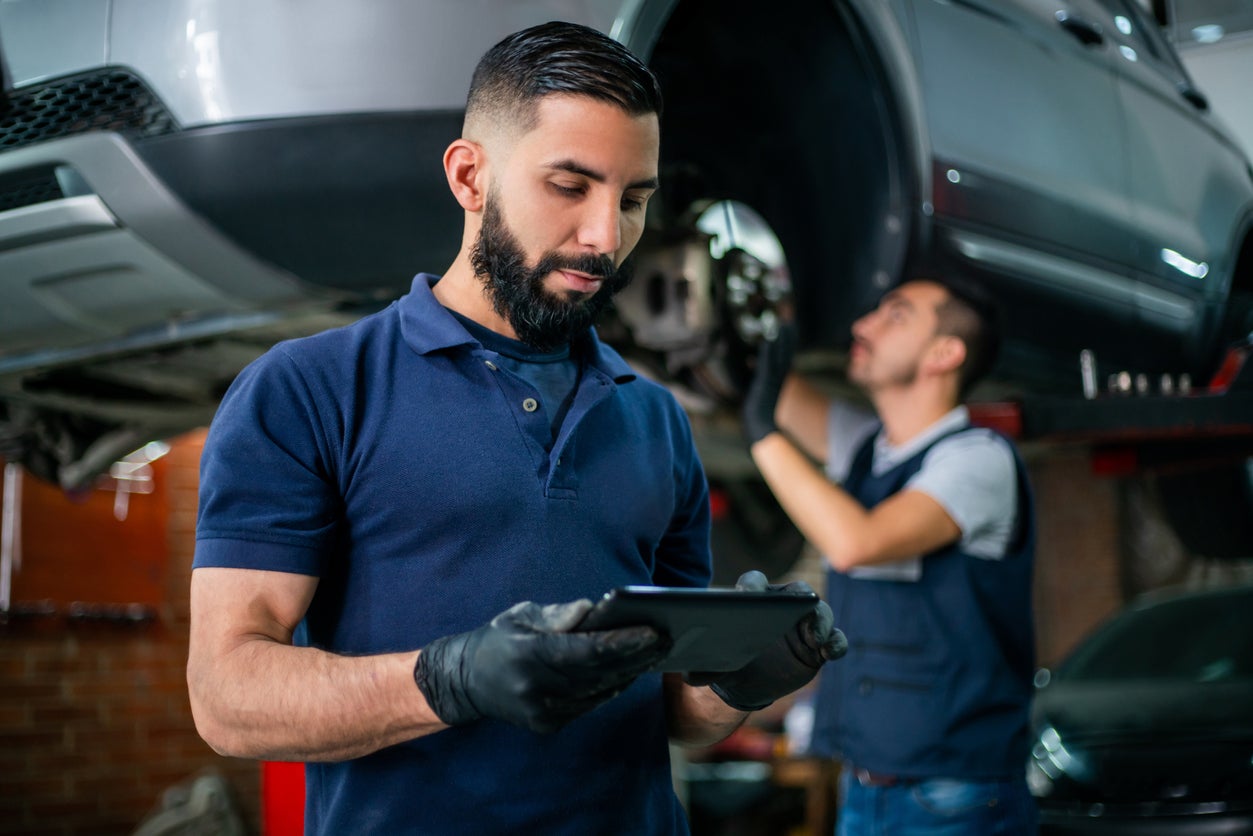
Supervisor at a car workshop checking tablet while mechanic works at background on a car

What does it take to become an Automotive Mechanic or Automotive Technician?

Since its inception in 2011 by Irwin Tools company, National Tradesmen day has been helping the public understand the importance of trade careers and the individuals who work in them.  These skilled workers and professionals are the backbone of our community, providing vital services such as electrical work, plumbing, HVAC service, trucking and logistics, masonry, carpentry, welding, and of course our favorite automotive services!  These strong, dedicated individuals help us build and maintain our schools, offices, hospitals,and homes, as well as repairing our vehicles, transporting goods and important medication, and so much more. During the early onset of the Covid-19 pandemic, it became more clear than ever just how essential these services are to our global economy and communities!  So, take a second to thank a local tradesman or contractor in your life for their hard work and dedication. Let’s take a look at what it takes to become a skilled tradesman in the automotive industry! Automotive mechanics perform more hands-on skills and are the backbone of every automotive dealership and service center.  The mechanic is in charge of inspecting each vehicle, ensuring that all electrical and mechanical components are in tip-top shape and working order.  They can inspect the vehicle’s computer and electronic components and let you know what requires maintenance or repair.  They focus on your vehicle’s functionality and longevity through regular tune-ups and service, and perform in-depth service appointments to get your vehicle back on the road. Automotive technicians perform basic care and maintenance services on your vehicle. This includes but is not limited to oil changes, fluid checks, tire rotations and alignments, repairing and replacing worn parts, replacing vehicle parts for manufacturer recalls, and performing electrical diagnostics. Both jobs require an ability to handle specialized tools and heavy equipment, certification from vocational schools or adequate apprenticeship under a seasoned certified mechanic, the utmost precaution and care for safety regulations with regards to electronic equipment, dangerous and corrosive chemicals and fluids, thorough working knowledge of vehicle diagnostic methods and tools, and an outstanding knowledge of the mechanical and electrical components of various makes/models of vehicle. There are an average of 600,400+ people employed as automotive mechanics and technicians as of 2023! Although it is still a predominantly male dominated profession (98% men, 2% women), there’s plenty of growth and opportunities to level the playing field for women.  More and more programs are encouraging STEM/STEAM programming and activities in younger grades to inspire more girls and women to join the ranks in the automotive industry, and more opportunities are opening up for women across multiple fields in automotive sports.

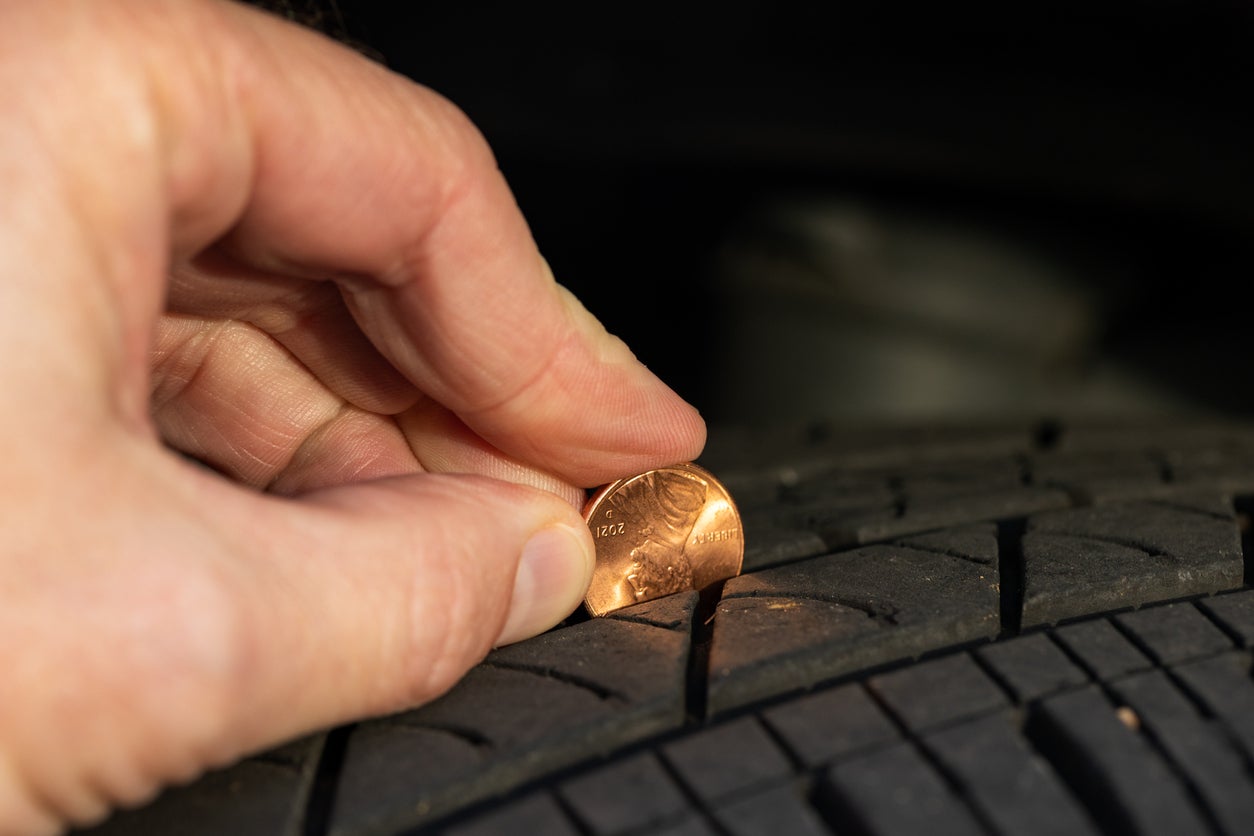
Checking tread depth on a tire by using a penny

Classic Kia of Waukegan's Guide to Tire Maintenance

Here at Classic, our Auto Body Shop is standing by with a team of experienced and knowledgeable service personnel to guide you through the process.  If you find yourself in need of a little bit of advice or a refresher on how to do these things, we’re here to help!  Of course, it’s always good to be prepared for anything and arm yourself with the basics on vehicle maintenance.  That’s why today we’re dedicating some blog space to tire education, to make sure you’re “wheely” well informed on this important safety point.  Let’s learn more together. You should be regularly checking tire air pressure and keeping an eye on the wear-and-tear and tread depth, along with knowing how to gauge when it’s time to swap out to a different type of tire for the season or a change in driving habits. It’s always a great idea to be thinking about your vehicle’s tires, so here’s some tips to get you started. Learn the different types of tires: Check with your mechanic or trusted tire installation technician to find the best tires that match your vehicle’s recommended size/type, your driving style and average mileage, local/seasonal weather hazards, and your budget. Here’s a little more information on the types of tires available, and things to consider when selecting the right option for your needs: Touring Tires - designed for day to day driving, can be used on a broad range of vehicles, available for all-season and summer-only options Performance Tires - designed for energetic drivers who focus on a more sporty driving style, available for all-season and summer-only options, and focus on features like dry or wet traction All-Terrain Tires - designed for both street and off-road driving, focusing on toughness and durability and strong off-road features for dirt/mud/ice/etc. Winter/Snow Tires - designed for maximum grip and traction in winter weather conditions, optimal for cold weather use and not made for warm-weather driving Donut or Spare Tires - designed for very short term use of no more than 50-70 miles, and are intended only for short term emergency use until you can replace your worn/damaged tire with new ones or get them repaired; these are also not designed to be driven at high speeds and it’s recommended at a max of 50 MPH or below for safety What to look for when performing regular routine maintenance checks on your tires: Check your tire pressure monthly, or whenever the temperature changes with a difference of 10º  higher or lower, and inflate to the specifications listed in your manual or on the inside of the door panel. Check your tire’s tread depth each time you check the pressure, and replace the tire if it is worn down to 2/32nds to 4/32nds of an inch.  You can insert a penny into the tread groove with President Lincon’s head upside down.  If you are able to see the top of Lincoln’s head, you need to replace the tires.  Alternatively, if your tire treads are extremely low, you may notice your tire’s “tread wear indicators, which are raised sections between the tire’s treads; if you can see these, replace them immediately. Make sure to have your tires rotated with each routine service appointment such as an oil change or alignment.  This will ensure that your tires wear evenly and safely, reducing the chance of flats due to overuse or extreme wear. Examine tire treads and sidewalls for any cuts, cracks, scrapes, punctures, bulges, bumps, or cracks.  Take a good look to make sure there are no nails, screws, or other foreign objects lodged between them.  If you spot any damage or wear-and-tear, you should bring your car in for a patch by a trusted service employee or a full replacement. Tires typically last around 50,000 miles, which is about 3 to 5 years average for the typical driver, but this does vary depending on your driving habits, where you live, and where you drive most. Drivers who frequently use unpaved roadways, go off-roading, and those who are “lead-foot drivers” may need to replace them more frequently than average.  Check with your trusted mechanic or local tire specialist to assess your needs. Here are some tools you should keep on hand to make changing tires a breeze: A manual car jack - used for raising your vehicle higher off the ground so you can remove and swap the flat tire A Spare tire or donut - swap this in place for the broken/damaged tires A lug wrench or torque wrench - a special tool designed to remove the nuts attaching your vehicle wheel to the rotors A portable tire inflator - a mechanical device that either is hand-pumped or more recently, powered by your vehicle’s electrical outlets that can inflate the tire to pressure within minutes. A tire gauge - A small tool either analog or digital that can help you determine the current air pressure of your tires Check out these helpful tips and videos to learn more about how to change your tire in an emergency:

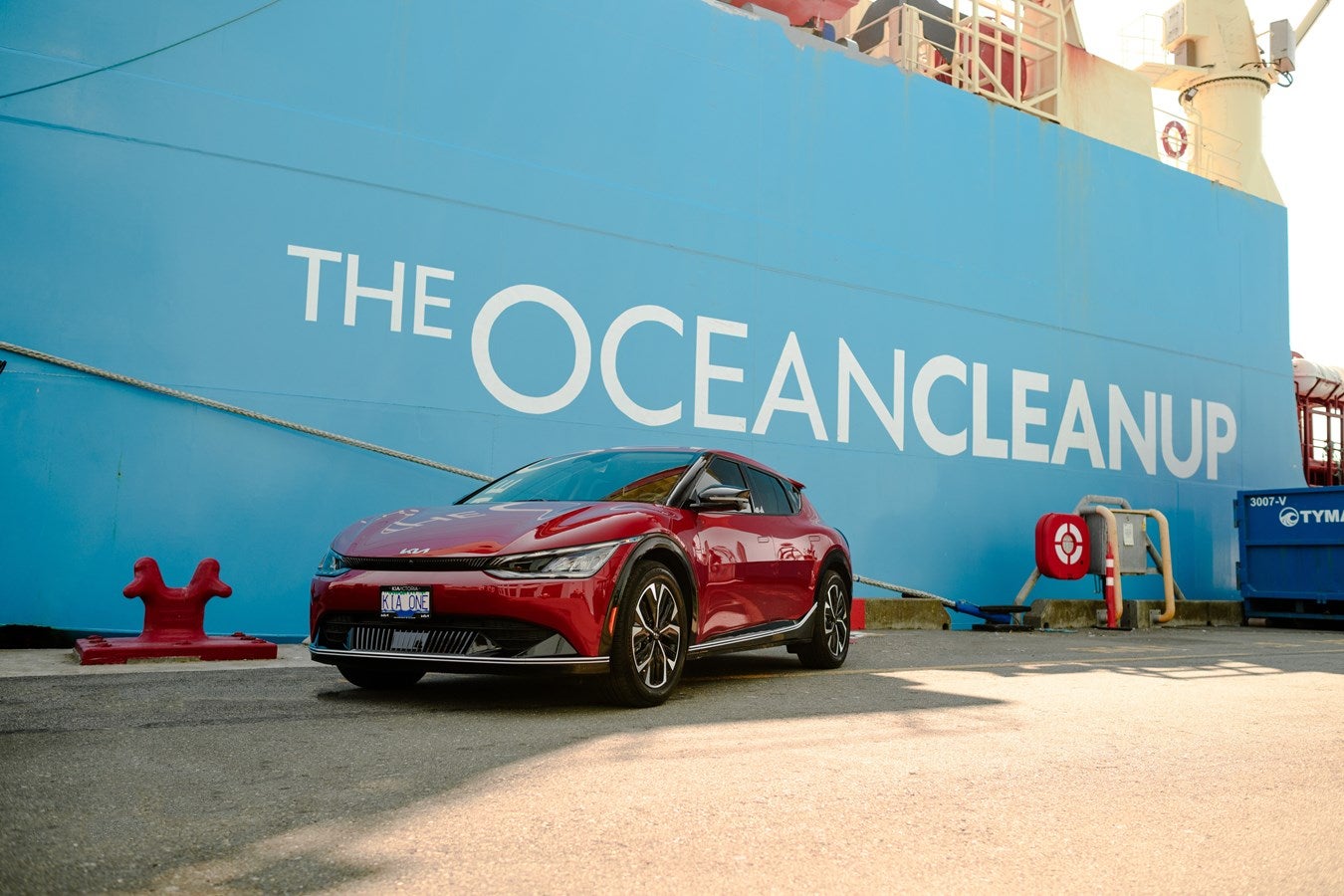
Kia partner, The Ocean Cleanup, delivers record 55-ton ocean plastic haul

Kia Partner “The Ocean Cleanup” Delivers Record 55-Ton Ocean Haul

Kia global partner, The Ocean Cleanup, sets a new record for the amount of plastic reclaimed from the world’s oceans 55 tons of ocean plastic delivered to Victoria, Vancouver Island, Canada Plastics will be recycled; proportion to be used in future Kia models under multi-year partnership Catch delivered to shore from 1.6-million-square kilometer Great Pacific Garbage Patch (GPGP) by The Ocean Cleanup’s System 002 The Ocean Cleanup announces scale-up to largest-ever System 03 in ongoing mission to remove 90% of floating ocean plastic by 2040 Initiative aligns with Kia’s mission to become a sustainable mobility solutions provider Kia remains committed to more than 20% increase in plastic reuse by 2030 and achievement of carbon neutrality by 2045 View film of record ocean plastic reclamation here Here at Classic Kia of Waukegan, we’re proud to be a part of a brand that cares about community on not just a local scale, but a global one. While here at home in Illinois we’re doing our part to help the environment and support sustainable business practices, Kia’s also taking the reins and making the world a better place, too!  Kia’s global partner, The Ocean Cleanup, recently set a new record for the amount of plastic they’ve reclaimed from our planet’s oceans: a 55-ton haul from the Pacific Ocean in Victoria, Vancouver Island, Canada; Kia plans to use the 55-tons of reclaimed plastic in its new EV Models in upcoming production. The Ocean Cleanup is an international non-profit project which aims to rid the oceans of plastic; the partnership between Ocean Cleanup and Kia marks the next phase in a seven-year global partnership agreement started in April 2022, and is part of Kia’s evolution into the leading sustainable mobility solutions provider. The record catch of 55-tons was removed from the ocean using The Ocean Cleanup’s System 002, a special extraction technology to remove plastic as it made its lengthy voyage through the Great Pacific Garbage Patch (GPGP).  Unfortunately, the world’s largest accumulation of floating waste has an estimated surface area of 1.6 million square kilometers. However, through efforts like this partnership between The Ocean Cleanup and Kia, small gains are being made to remove this debris and help create a cleaner ocean and healthier planet. Following the announcement of its record haul, The Ocean Cleanup recently revealed its new System 03 Technology, which is nearly three times larger than System 002 tech, and can capture much larger quantities of plastic at a lower rate of cost per kilogram removed on a continual year-round basis.  This is great news for the planet!  This more sophisticated technology provides environmental monitoring and advanced safety features such as a brand new Marine Animal Safety Hatch, designed to protect marine life during the cleanup process.  This new phase marks a glorious milestone in The Ocean Cleanup’s overall objective to see a 90% reduction of floating ocean plastic by 2040!  Kia also remains fully committed and passionate about efforts towards a more sustainable planet and securing the wellbeing of future generations right to a safe, healthy planet; the company will continue its support of The Ocean Cleanup, as the crew of System 03 will all be decked in uniform overalls represented with the Kia Logo and colors. Charles Ryu, Senior Vice President and Head of the Global Brand & CX Division at Kia Corp., commented: “The record catch of plastics brought to shore by The Ocean Cleanup for recycling is tangible proof of how technology can deliver sustainable solutions at scale. Kia’s partnership with The Ocean Cleanup demonstrates the brand’s commitment to having a positive impact. Initiatives such as this one perfectly align with Kia’s transition to a sustainable mobility solutions provider and our Plan S strategy, through which we embrace the needs of our customers and the protection of our environment by acting as a responsible corporate citizen.” Nisha Bakker, Director Partnerships of The Ocean Cleanup, said: “This record delivery marks the end of the System 002 era for The Ocean Cleanup, and the perfect platform as we launch System 03. We are moving forward step-by-step, and we believe that System 03 represents the size of system required to scale up and expand our cleanup in the most economical way. Beyond System 03, we plan to deploy a fleet of systems that together will be capable of removing 50 per cent of the GPGP every five years. However, we cannot do this alone. Committed and valued partners, and particularly our global partner Kia, remain essential for The Ocean Cleanup to bring our shared ambitions of plastic-free oceans to reality.” *BTX (Benzene, Toluene, Xylene) About The Ocean Cleanup The Ocean Cleanup is an international non-profit project developing and scaling technologies to rid the world’s oceans of plastic. They aim to achieve this goal through a dual strategy: intercepting in rivers to stop the inflow, and cleaning up what has already accumulated in the oceans. For the latter, The Ocean Cleanup develops and deploys large-scale systems to efficiently concentrate the plastic for periodic removal. This plastic is tracked and traced through DNV’s chain of custody model to certify claims of origin when recycling it into new products. To curb the tide via rivers, The Ocean Cleanup has developed Interceptor™ Solutions to halt and extract riverine plastic before it reaches the ocean. Founded in 2013 by Boyan Slat, The Ocean Cleanup now employs a broadly multi-disciplined team of approximately 140. The foundation is headquartered in Rotterdam, the Netherlands, and opened its first regional office in Kuala Lumpur, Malaysia, in 2023. For more information, visit: theoceancleanup.com and follow @theoceancleanup on social media.

To the Stars

Vintage and Classic Vehicles from the Star Trek Franchise

When it comes to Star Trek, the most memorable modes of transportation that come to mind are ships like the infamous USS Enterprise, but did you know that several classic cars made an appearance or two as well?  We’re celebrating Star Trek Day with a look back at some of the most memorable moments featuring real-life vehicles and vehicle brands in the classic Sci Fi franchise.  We bet some of these may surprise you, too! A 1930s Ford Model AA, A 1939 GMC AC-Series Truck, a 1928 and 1930 Chevy, and a 1930 Buick All of these cars make appearances together in the episode from Star Trek the Original Series in “The City on the Edge of Forever” when the crew travels back in time thanks to a mishap with Dr. McCoy. A 1931 Cadillac V-12 This classic oldie makes an appearance in the second season of Star Trek: The Original Series.  The crew of the Enterprise discovers a strange planet which hearkens back to the 1920s mafia/gangster run atmosphere of big city culture.  The vehicle is driven by Captain Kirk and his best friend, Spock as they attempt to drive around and blend in with “the locals”. A 1936 Ford Model 67 This vehicle made an appearance in the series Star Trek: Voyager. The crew detects a surprising readout of rust during a routine data analysis, and upon further investigation discovers a 1936 Ford Truck floating around in space!  The crew attempts to start the truck and play the radio, discovering an unusual radio frequency that leads them to solve a larger mystery. A 1965 Corvette Stingray Captain Kirk returns in the reboot from JJ Abrams with Star Trek 2009, and we’re introduced to the character in a thrilling high-speed escape as the young kirk absconds with his step father’s vintage corvette…and then promptly drives it off a cliff. A 1969 Chevrolet Camaro Pilot Tom Paris is quite the Earth History Aficionado, with a particular interest and fondness for vintage earth transportation. The Camaro makes an appearance in the “Vis a Vis” episode of Star Trek: Voyager’s fourth season, with Paris working on the car via holodeck, and enjoying a rendezvous in the car with his future spouse. A 1971 Ford LTD Country Squire and a 1974 Ford Mustang II Star Trek: Voyager makes several appearances on this list thanks to history jumping storylines. In this episode, Captain Janeway is recapping a story about her family’s past centering around a person names Shannon O’Donnell.  The vehicles appear in a scene where O’Donnell gets into a fender bender with the Mustang. A 1975 Chevrolet C-10 In the1986 theatrical film, Star Trek IV: The Voyage Home, Kirk and his crew receive a distress call from earth and travel back in time to San Francisco in the 1980s to save mankind. Kirk and his cronies befriend a whale biologist, Dr. Gillian Taylor, who picks them up in the ‘75 chevy as they ride off to save humanity from doom with the help of two humpback whales. A 1977 Volkswagen Type 2 Van and a 1995 Dodge RAM Star Trek: Voyager strikes again, this time featuring two different vehicles in the same episode.  After the crew of the Voyager gets thrown back in time, Tom Paris and Tuvok (along with a special guest) use the vehicles to avoid gunfire and make a quick getaway to safety.

Contact Us

Fill out this form below and we'll contact you shortly
*Required Fields