Today: 9:00AM - 7:00PM

Blog

All Arts and Culture Classic Kia Classic Kia News Featured Local Things To Do Food and Drink Travel Blogs Waukegan Kia Dealer Pets and People Waukegan Kia Service Kia Models Kia Information Gift Guides and Gadgets New Inventory Waukegan Used Cars
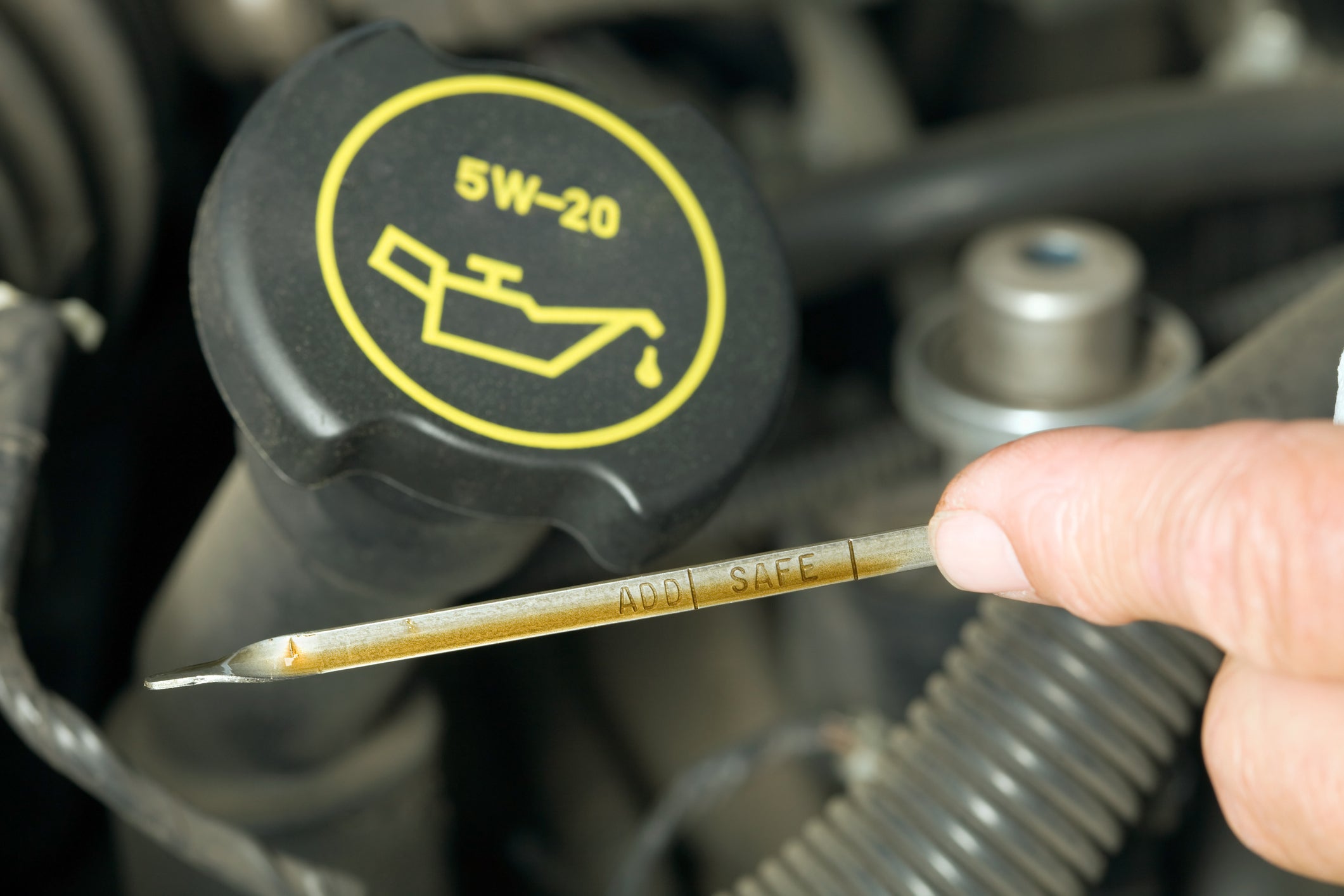
Male Finger Checking Oil Level on a Dipstick

How to Choose the Right Type of Motor Oil

If you’ve ever found yourself overwhelmed in the aisle of the automotive store, we think today’s post will give you a little boost of confidence.  Determining which type of oil your vehicle needs can seem daunting at first, with all the types and varieties on the market. Selecting the right type of oil for your vehicle depends on several factors: the manufacturer's make/model recommended option, the environment and climates you’re driving in, your driving habits, and even the age of your vehicle.  We’re going to break it down for you today a little further so you can level up your gearhead knowledge! more Types of Motor Oil You should always select the motor oil type listed in your vehicle manufacturer’s owner’s manual for proper care and longevity.  There are four general types of motor oil, each serving a different purpose. Conventional Motor Oil is the most common type of motor oil on the market. It’s ideal for cars with low to average mileage, simple engine designs, light-duty vehicles, and older model vehicles. Many mechanics also recommend this type of oil for vehicles over 75,000 miles to help older engines receive more lubrication.  It’s readily available at every repair shop and most retailers, and is very affordable. The cons here are that it doesn’t last as long between oil changes as synthetic oil, requiring oil changes every 3,000 to 7,000 miles. Synthetic Motor Oil is best for vehicles which require peak performance and high levels of lubrication. The synthetic option provides higher viscosity, reduced oxidation and thermal  breakdown, and helps prevent oil sludge.  It can also improve fuel efficiency and horsepower.  However, this is one of the most expensive options, costing anywhere from two to four times that of conventional oil.  This oil is best for those who depend on their vehicle for heavy towing and hauling, extreme weather conditions (very hot or very cold), and for those with turbochargers.  It does outlast conventional oil in duration between changes, requiring 10,000 to 15,000 miles or every 6 months to a year. Synthetic Blend Motor Oil offers a middle ground between Full Synthetic and Conventional Motor Oils.  This type of oil is a blend of synthetic and conventional with additives to assist in preventing oxidation. It’s becoming one of the most popular options on the market, and makes it easy for drivers to make the swap from conventional to synthetics. This option is a cost effective way to give your engine increased protection and performance of synthetics without the higher price tag. High Mileage Motor Oil is specifically designed with vehicles of more than 75,000 miles. This oil is formulated to help reduce oil seepage and minimize leaks, as well as reducing emissions in older engines. When is the Ideal Time for an Oil Change Your manufacturer’s owner’s manual will tell you the best peak time to change your oil, but here are some other signs that you need an oil change. Check your oil levels at regular intervals and ensure the oil on the dipstick is between the low and high marks. Next, look for signs of dark, dirty engine oil by checking the dipstick; fresh oil will be a clear, amber color while a darker, grainy, or dirty oil indicates you’re in need of an oil change. Your vehicle’s check engine or oil-change light reminder may illuminate on the dashboard. If you hear loud noises from the engine such as a knocking or grinding noise, this may indicate the engine has poor lubrication and an oil change and refill is necessary. You may also notice unusual smoke from the exhaust. You may notice you’re not getting proper mileage to the gallon as average; low oil levels can lead to reduced fuel efficiency.

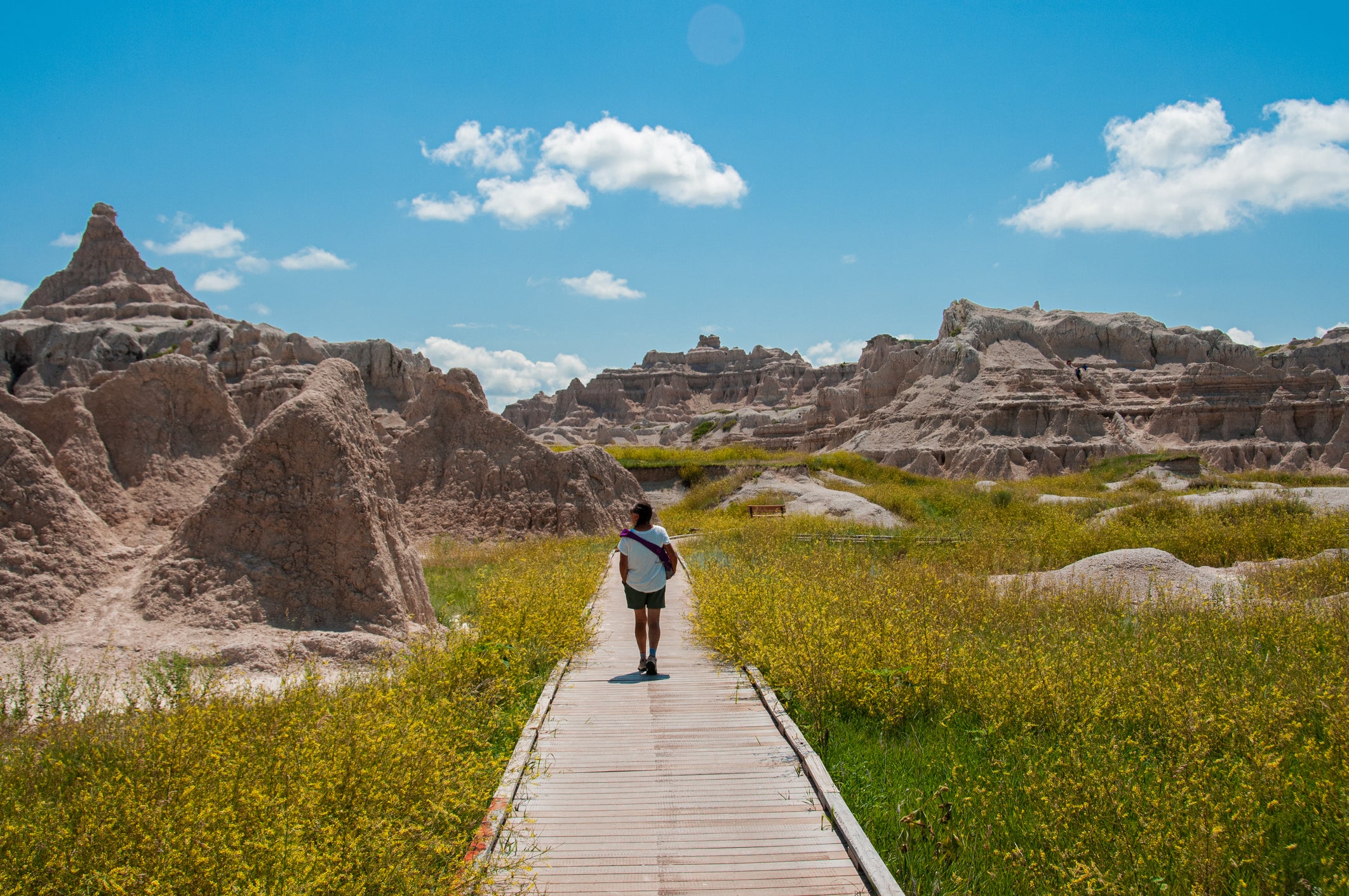
Woman hiking through the Badlands National Park in South Dakota

Plan Your Day Trip Itinerary to the Badlands National Park

Our next National Park destination guide is for the Badlands in South Dakota, open 7 days a week, 365 days a year, so there’s always something to see and do.  Renowned for its diverse ecosystems teeming with wildlife, rugged beauty featuring landscapes with unique geological formations and breathtaking terrain, and rich history, it’s a top notch spot.  The best times to visit for a quiet excursion would be Autumn followed by Spring (although, prepare for those April showers!) with Summer being hands-down the busiest time. Now that you’ve got your calendar dates set, we’ll work on our itinerary to explore just a fraction of this park’s whopping 244,000 acres of parklands. more Why visit the Badlands? What Makes it so special? The first thing you’ll notice are the park's plentiful buttes, mesas and geological formations, thanks to millions of years of erosion due to rain and winds.  The valleys and plains are home to some unique fossil beds with finds such as prehistoric horses and even saber-toothed wildcats.  If you[‘re looking for thrills and exhilaration, you’ll find it with a range of activities from hiking to roughin’ it with backcountry camping and backpacking, as well as mountain biking and cycling. Plus, it’s a wonderful place to do some serious stargazing thanks to its dark skies and open spaces unfettered by metropolitan lights and civilization. The Visitor’s Center is a great place to start your trip. The rangers there will help guide you to the best hikes and areas for your party’s skill levels and experience, so you’ll find the most advantageous options.  This will help you maximize your comfort, and reduce your stress so you can actually kick back and experience all the fun there is to be had! It’s important to note that pets are prohibited from public buildings, backcountry areas, the Badlands Wilderness Area, and protected prairie dog colony regions.  Your pets are only allowed in the campgrounds and picnic areas, gravel or paved roads, and the parking lots. All pets MUST be leashed no longer than 6ft, and you’re required to pick up their waste and dispose of it safely. The park is also known for its heavy silt and sediment, thanks to the bentonite clay in the rock formations.  Make sure that if you’re hiking or camping out here, you pack plenty of water as none of the groundwater or springs host potable water for humans. What Must-See spots are in and around this magnificent national park? There are 25 designated trails in the Badlands, and pets are prohibited from these areas for the safety of you and the wildlife.  Easy-to-moderate trails that visitors recommend are the Cliff Shelf Nature Trail, Notch Trail, Door Trail, Window Trail, and the Fossil Exhibit Trail to get you started. The Badlands Loop Road Scenic Drive is a mini road trip in a road trip, taking you along a 2 lane 31 mile long road with plenty of spots to stop and appreciate the scenery.  Visitors and rangers recommend stopping off at places like Big Badlands Overlook, Cedar Pass, Norbeck Pass, Panorama Point, Conata Basin Overlook, Pinnacles Overlook. Roberts Prairie Dog Town is an incredible stop if you’re looking to do some wildlife spotting. You’ll catch plenty of magnificent creatures including the majestic bison, charming little prairie dogs, impressive Bighorn Sheep, white-tailed deer, mule deer, elk, pronghorn, foxes, and plenty of birds. Outside the park limits but just a short drive away, you’ll be able to see even more National Monuments and historic sites. Some of these include the historic Wall Drug, which is great for a food break and a quirky stop to visit with kids and teens; Wind Cave National Park; Custer State Park, and even the Mount Rushmore National Memorial.

Northern Lights in Voyageurs National Park

See the Aurora Borealis and More at Voyageurs National Park

We love highlighting destinations in our home turf, the good ol’ US of A, and especially if we can give you some ideas less than a day's drive away from the Chicago area!  On today’s travel bucket list, we’re hitting the stunning Voyageurs National Park! more If you’ve ever dreamed of seeing the aurora borealis, but a flight to a Nordic country isn’t in your budget, then we’ve got great news for you!  This is a certified International Dark Sky Park, meaning it’s an absolutely perfect place to see the Northern Lights, as well as the Perseid Meteor Shower. It’s world-renowned for its crystal clear waters, a dream nature photography spot when it comes to wildlife spotting, and perfect for campouts. Let’s Get To Know What Makes Voyageurs National Park a Must See Destination The forests and plant life here are part of a transitional area between boreal forest and a temperate deciduous forest; there are more than 50 different tree and shrub species, more than 40 fern and moss species, 200 plus grasses, and more than 400 different types of wildflowers here, with native options including lady’s slipper, bunchberry, red columbine, twinflower, and marsh marigold. Locally cultivated wildflower displays are part of the park’s ongoing conservation efforts, and are not to be disturbed by visitors. Mushroom hunters will be delighted to learn that there are abundant species of fungi and mushrooms, which thrive in the park thanks to its many lakes and ponds, so many in fact that they are too plentiful to quantify and number. This area is absolutely teeming with wildlife, as well as plenty of birds and bees who appreciate the local flora and foliage. Keep your eyes peeled and you might spot some otters, hares, porcupines, moose, wolves, bald eagles, and more! The Rainy Lake Ethnobotanical Garden is a labor of love, a methodically curated restoration project focused on propagating local native plants and reducing invasive plants encroaching on the parklands. And of course, we’d be remiss if we didn’t mention the Ellsworth Rock Gardens; this project was created by self-taught artist Jack Ellsworth, blending the natural environment with fine arts and natural elements. The park offers more than 50 miles of hiking trails with options ranging from easy to moderate in difficulty, to match every experience level. You can hike them on your own with a map, or join in any of the ranger-led activities to learn more about the area and get a unique perspective of the park’s cultural and natural histories. Enjoy kayaking, boating, fishing, paddleboarding, canoeing and more along the various lakes including Rainy Lake, a freshwater lake along the Minnesota and Canada border with a third of the lake’s area located inside Voyageurs National Park; Namakan Lake, half of which is located within the limits of Voyageurs National Park; Sand Point Lake which is on the border of Minnesota and Ontario, and half of which is situated within the Voyaguers National Park; Kabetogama Lake which is entirely nestled in the National Park limits and has an impressive 78 miles of shoreline and 200 islands.  There are also 26 smaller inland lakes, which when combined with the aforementioned contribute to a third of the park’s total area! The park is one of the best fishing spots in the country, with more than 50 different species of fish and aquatic life including lake sturgeon, walleye, northern pike, black crappie, smallmouth bass. Visit Anderson Bay and marvel at the exposed white granite cliffs jutting out 80 feet high and into the water, and enjoy spectacular views of the bay as well as Rainy Lake. Marvel at the stunning sheer granite cliffs of Grassy Bay which rise 125 feet above the surface of Sand Point Lake, and reach high into the sky for one of the tallest points within the park. Looking to catch a night out under the stars without having to “rough it”?  We recommend checking out the Frontcountry Campsites, which include water access, private and public boat launches, picnic tables, bear lockers, outdoor privies, and fire rings.  There are also two primitive camp site options located along the Kab-Ash Hiking Trail for those seeking a more rustic experience. As you can see, it’s clearly a can’t-miss vacation spot for adventure seekers of all kinds!

2026 EV4

ALL-ELECTRIC 2026 KIA EV4 MAKES U.S. DEBUT AT NEW YORK INTERNATIONAL AUTO SHOW

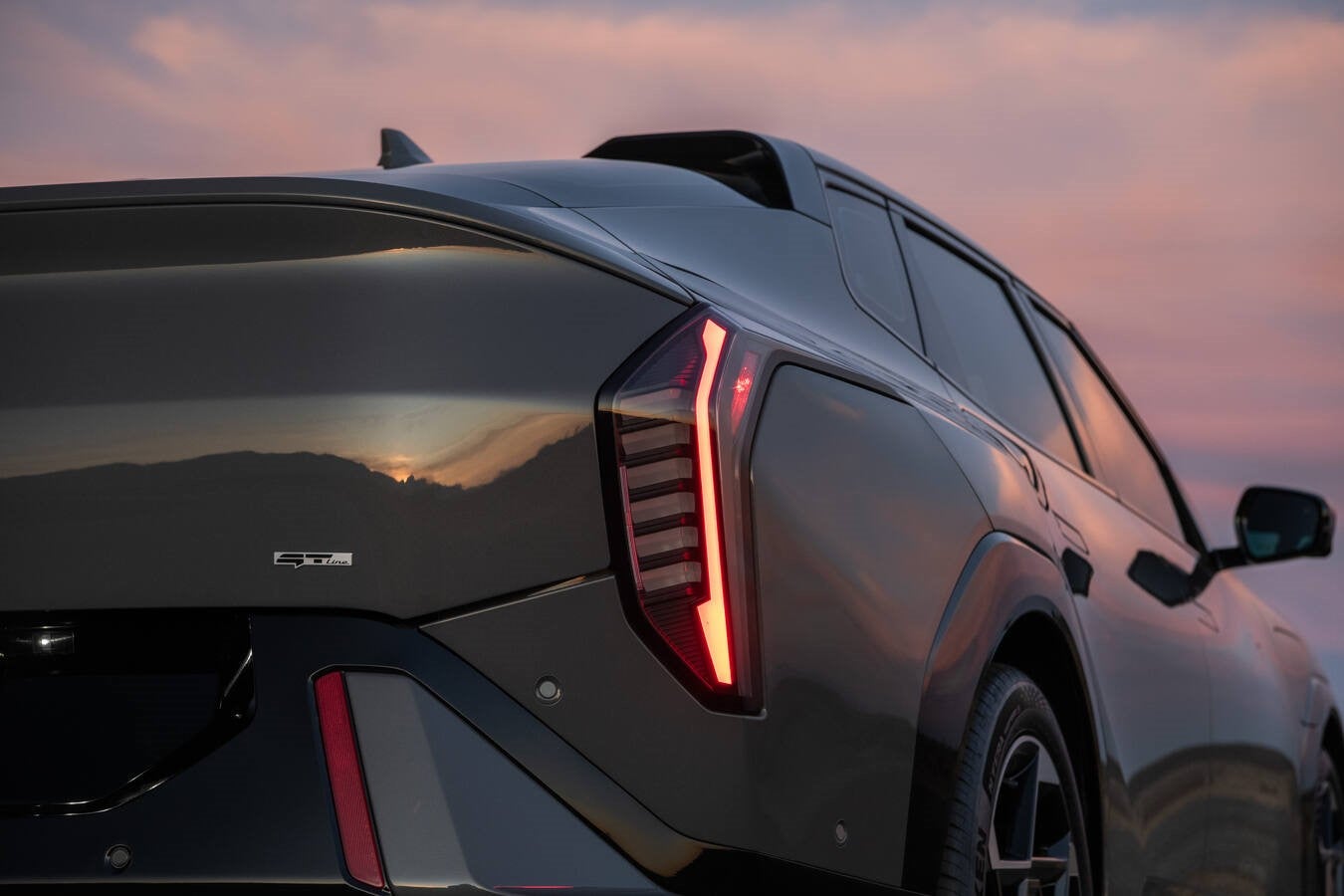
Kia’s first all-electric global sedan ‘Opposites United’ design philosophy blends nature and humanity for a modern and expressive appearance Two high voltage battery options: 58.3 kWh (Light) and 81.4 kWh long-range (Wind, GT-Line); the EV4 Wind has a Kia-est. 330 miles of all-electric range (AER) 1 10 to 80 percent state of charge with DC fast-charging 2 in just 29 or 31 minutes (depending on battery size) through a 400V EV dedicated platform with a built-in North American Charging Standard (NACS) port Kia’s i-Pedal 3.0 3 variable regenerative braking Available Vehicle-to-Load (V2L) 4 capability for compatible electronics including laptops and lighting Available Digital Key 2.0 5 and other advanced features and technology target a new generation of drivers Nearly 30-inch total combined widescreen display 6 headlines connected car Navigation Cockpit (ccNC) to enhance in-car entertainment and connectivity experience Robust Advanced Driver Assistance System (ADAS) 7 suite includes standard Highway Driving Assist (HDA) 8 U.S. launch of Kia EV4 expected early 2026 more 2026 EV4 2026 EV4 2026 EV4 2026 EV4 Kia America unveiled the all-new 2026 EV4 sedan at the New York International Auto Show. The compact EV4 effectively strengthens Kia’s electrified vehicle portfolio and aims to broaden widespread EV appeal and adoption through a blend of innovation, bold design, technology, range and flexibility that meets a diverse range of customer needs. The EV4 is Kia’s first global EV sedan. Based on a 400V Electric Global Modular Platform (E-GMP), which underpins multiple EV models from Kia, the versatile and practical EV4 is a well-rounded compact offering for urban and suburban dwellers. The EV4 offers a fresh take on traditional sedan design, introducing a new typology and expanding options in an EV market dominated by CUVs and SUVs. “The EV4 makes all-electric ownership accessible for those customers who are seeking a more practical and affordable option on the EV landscape while still desiring an advanced, technology-driven in-car experience,” said Steven Center, COO & EVP, Kia America. “The arrival of the EV4 underscores Kia’s overall efforts to enhance the appeal of electric mobility to a wider audience -- an audience that’s been witnessing the excitement around EVs for quite some time and are now ready to experience the outstanding benefits for themselves.” The EV4 is expected to be available in three trim levels – Light, Wind and GT-Line. The sedan is being produced at Kia’s Autoland Gwangmyeong EVO Plant in South Korea. Sales for the U.S. are planned for the first quarter of 2026. Design, Outside and Inside Inspired by Kia’s ‘Opposites United’ design philosophy, the all-new all-electric compact sedan features contrasts found across nature and the human world, sharing the same fundamental design language as that of the ground-breaking Kia EV6 and EV9 models. Establishing a new typology, the sedan combines a low nose, long-tail silhouette, and fastback roofline for a unique and sporty profile. The face of the EV4 is modern and expressive with vertical headlamps and Kia’s signature Star Map lighting which has become synonymous with the brand’s electrified lineup. Available small cube LED headlights with Dynamic Welcome Lights are unique to the segment. And a new interpretation of Kia’s Tiger Face gives EV4 a bold and tech-inspired personality. At the back, the vertical taillights, two-piece roof spoiler and sleek bumper design echo the front-end styling and emphasize the car’s rear presence and width. The EV4’s planted stance with either standard 17-inch aero wheels (Light/Wind) or 19-inch spoke-type wheels (GT-Line) gives it an athletic and sure-footed appearance. Other than larger wheels, the EV4 GT-line features exclusive design elements to create a more visually striking package. Just as ‘Opposites United’ brings together the exterior of the EV4, Kia’s progressive design language fuses nature with human-centric and industrial themes throughout the cabin space. The modern interior also brings forth unexpected contrasts in form, color and material. Headlined by a free-floating interface and two-spoke steering wheel, the interior boasts an open layout, appealing to customers who view simplicity and usability as plus-side characteristics when transitioning from internal combustion engine (ICE) cars to EVs.  Enhancing practicality, the EV4 cabin focuses on comfort, space and convenience, high-quality materials, and an impressive amount of passenger and cargo space. The cabin experience is further elevated by available 64-color dynamic ambient lighting. Powertrain and Performance Built on Kia’s dedicated 400V E-GMP platform, the Kia EV4 offers a choice of two battery options: a standard 58.3 kWh battery (Light) or long-range 81.4 kWh battery (Wind, GT-Line). Both battery configurations provide power to a front-mounted 150 kW motor. The front wheel-drive (FWD) EV4 Light and Wind models have an all-electric Kia-estimated range 1 of 235 miles and 330 miles, respectively. To enhance both performance and efficiency, Kia prioritized aerodynamics. Airflow enhancements include a full underbody cover to help the movement of air beneath the vehicle. The result is a drag coefficient as low as 0.23 Cd. In terms of DC fast-charging 2, the EV4 is capable of charging from 10 to 80 percent charge in an estimated 29 minutes for the 58.3 kWh (Light) battery and 31 minutes for the 81.4 kWh (Wind, GT-Line) battery. For easy accessibility, the standard NACS charging port is located on the front passenger side. On pavement, the EV4 benefits from advanced chassis engineering aimed at delivering a high level of ride comfort and refinement as well as engaging driving dynamics. The front suspension is defined by an EV-tuned MacPherson strut design and the rear suspension is a multi-link geometry. Key areas of the vehicle body were stiffened to further enhance the EV4’s agility and cornering prowess. Kia’s latest i-Pedal 3.0 system 3 helps drivers to smoothly control the speed of the vehicle and bring it to a complete stop using only the accelerator pedal. This feature works in tandem with EV4’s adaptive Smart Regenerative Braking function to help recapture energy otherwise lost when brakes are applied. The i-Pedal 3.0 system also now works in reverse and the EV4’s i-Pedal Memory function reverts to the last-used i-Pedal setting when the car restarts. Upping practicality and flexibility, the EV4 offers the many benefits of V2L 4 functionality. V2L 4 is designed to allow the vehicle to manage the flow of electricity from the vehicle to compatible external devices, including a variety of laptops, lighting, and smaller electronics. Convenience and Connectivity The EV4 brings together an abundance of innovative content to deliver on the promise of convenience and connectivity. These benefits come to fruition even before anyone climbs into the vehicle thanks to Kia’s available Digital Key 2.0. 5 Providing simple access via a compatible smartphone or mobile device, this innovative feature allows remote functions such as door lock and unlock, and climate controls, from the comfort of home, office or on approach. 9 The EV4’s nearly 30-inch total combined wide-screen display 6 – comprised of dual 12.3-inch screens and five-inch climate display – serves as the face of Kia’s connected car Navigation Cockpit (ccNC). This tech-forward interface sets a high watermark for the in-car content experience, with connectivity and entertainment features that may be upgraded remotely with software enhancements delivered through over-the-Air (OTA) updates. Additionally, this innovative setup enables customers to apply available display themes across the cockpit, such as their favorite NBA team, for a personalized cockpit aesthetic. The EV4 also offers wireless Apple Carplay 10 and Android Auto. 11 The driver can experience a more immersive relationship with the EV4 by way of Kia’s AI Assistant. 12 This system utilizes machine learning to achieve a higher level of organic interaction and greater voice recognition between the driver and the vehicle. Other key comfort and convenience features include standard dual-zone automatic temperature control with rear A/C vents, acoustic windshield, and available heated/ventilated front seats 13 with driver side memory and heated steering wheel. Advanced Driver Assistance Technology The EV4 offers a robust suite of ADAS features, including standard Highway Driving Assist (HDA) 8, which is designed to use speed limit information from the navigation system on controlled access road (such as state highways, U.S. highways, and federal interstates). Under certain conditions, it automatically adjusts the vehicle’s set speed to match the posted speed limit (if initially set to the speed limit) and maintains distance from the vehicle detected in front. To further elevate roadway awareness for the driver, the EV4 has available features such as Driver Attention Warning 14,  Forward Collision Avoidance Assist 15, Lane Following Assist 16, Intelligent Speed Limit Assist 17 and Remote Smart Parking Assist. 18 Standard Hands-On Detection (HOD) senses contact between the driver's hands and the steering wheel to determine if the driver has their hands on the steering wheel, allowing for activation and deactivation of ADAS warnings. * Certain EV9 all-electric three-row SUV, Sportage (excludes HEV and PHEV models), Sorento (excludes HEV and PHEV models), and Telluride are assembled in the United States from U.S. and globally sourced parts. # # # 1 Electric range shown is not an official EPA estimate and is based on preliminary manufacturer estimates on a vehicle with a full charge. Range will vary and depends on a number of factors, including battery age, vehicle maintenance, charging practice, weather, road/traffic conditions, ambient temperature, driving habits, options, and cargo. Battery capacity will decrease with time and use. Estimated AER for GT-Line not available. 2 Actual charge will vary with options, driving conditions, driving habits, vehicle maintenance, charging practice, battery age, weather, temperature and your vehicle’s condition. Battery capacity will decrease with time and use. Frequent use of DC fast charging can negatively impact battery performance and durability, and Kia recommends minimizing use of DC fast charging. 3 The i-Pedal system is not a substitute for safe driving.  Do not solely rely on the system to stop the vehicle or avoid collisions. Always drive safely and use caution. 4 V2L requires the purchase of separately sold additional equipment and may not be compatible with all devices. V2L can be used until a 20 percent battery state of charge. Refer to the vehicle’s Owner’s Manual for warnings and instructions. 5 Kia Digital Key 2.0 requires an eligible Kia Connect subscription and a compatible smart device with an active data plan. Normal cellular service rates may apply when using a smart device. 6 Comprised of a 12.3-in. instrument display, 5-in. climate display, and 12.3-in. touchscreen infotainment display. 7 When engaged, ADAS systems are not a substitute for safe driving and may not detect all objects around the vehicle. Always drive safely and use caution. 8 When engaged, Highway Driving Assist is not a substitute for safe driving, may not detect all objects surrounding the vehicle, and only functions on certain federal highways. Always drive safely and use caution. 9 Purchase/lease of a 2025 Kia with Kia Connect includes a complimentary 3-year subscription starting from new vehicle retail sale/lease date as recorded by the dealer. After your complimentary 3-year Kia Connect subscription expires, continued access to the full suite of Kia Connect services available on your Kia will require a paid subscription at the then-current subscription rate, or your use of certain Kia Connect features may immediately terminate. Use of Kia Connect is subject to agreement to the Kia Connect Privacy Policy (available at https://owners.kia.com/us/en/privacy-policy.html) and Terms of Service (available at https://owners.kia.com/us/en/terms-of-service.html). Complimentary Kia Connect subscription is transferable to subsequent owner during the original Kia Connect service term. Only use Kia Connect when safe to do so. Kia Connect may currently be unavailable for some Model Year 2022 and newer vehicles sold or purchased in Massachusetts; please see the Kia Connect Terms of Service for more information. Kia Access App is available from the Apple® App Store® or Google Play Store™. Kia America, Inc. reserves the right to change or discontinue Kia Connect at any time without prior notification or incurring any future obligation. Message and data rates may apply. Cellular and GPS coverage is required to use most features. Kia Connect features may vary by model, model year, and trim level. Features, specifications, and fees are subject to change. For more on details and limitations, visit https://www.kia.com or your authorized Kia dealer. Apple® and App Store® are registered trademarks of Apple Inc. 10 Apple CarPlay®: Apple® and Apple CarPlay® are trademarks of Apple, Inc., registered in the U.S. and other countries. Apple CarPlay® runs on your smartphone cellular data service. Normal data rates will apply. 11 Android Auto™: Vehicle user interface is a product of Google, and its terms and privacy statements apply. Requires the Android Auto app on Google Play and an Android-compatible smartphone running Android™ 5.0 Lollipop or higher. Data plan rates apply. Android Auto is a trademark of Google LLC. 12 Kia Connect subscription required. Use of the feature is subject to the Kia Connect Terms of Service and Privacy Policy. May be currently unavailable for vehicles purchased or sold in Massachusetts that are not eligible for Kia Connect. Kia does not make any warranties about the accuracy of the information provided. Distracted driving can result in a loss of vehicle control. When operating a vehicle, never use a vehicle system that takes your focus away from safe vehicle operation. 13 Use extreme caution when using the seat warmers to avoid burns. Refer to the Owner's Manual for more safety information. 14 When engaged, Driver Attention Warning is not a substitute for safe driving and may not detect all instances of inattentive driving practices. Failure to pay attention to travel conditions and vehicle operation could result in loss of vehicle control. Always drive safely and use caution. 15 When engaged, Forward Collision-Avoidance Assist is not a substitute for safe driving and may not detect all objects in front of vehicle. Always drive safely and use caution. 16 When engaged, Lane Following Assist is not a substitute for safe driving and may not detect all objects around the vehicle. Always drive safely and use caution. 17 Intelligent Speed Limit Assist is not a substitute for safe driving and may only function under certain conditions. Always drive safely and use caution. 18 Remote Smart Parking Assist 2 requires driver engagement and may not detect all objects around the vehicle. Please see the Owner's Manual for limitations, warnings, and instructions.


Bass Fisherman fishing lake during fall

Four Fantastic Fishing Spots in the Midwest (Spring Fishing Season)

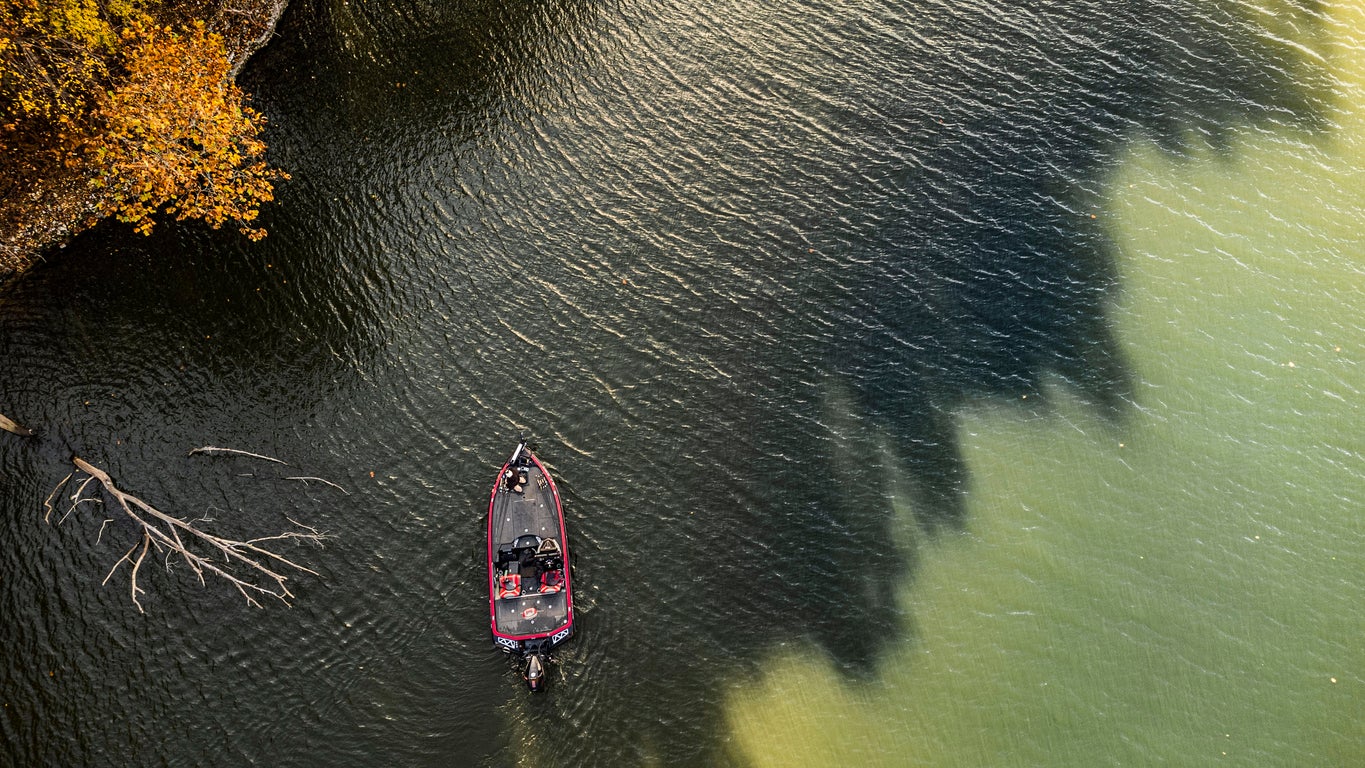
We’re back with another fun Classic Travel Guide! And what could be more classic than spending a warm spring day out in the boat, enjoying the pristine waters and sunshine, and casting a line for the catch of the day.  While you’re waiting for Summer Vacation season to roll in, let’s make the most of the ice melt and snow thaws, so get out your best bait and tackle and let’s hit the road. Today, we’re sharing four of our personal picks for great Midwest Fishing destinations! Got a spot that’s not on our list? Or perhaps have a hot tip for netting the biggest fish? We’d love to hear from you! Drop us a line in the comments and share your thoughts with our readers and social media friends. more Fishing at the Missouri River in Iowa can net you some pretty impressive hauls, thanks to its fast currents and channelized riverbeds; although the area is not the most “beginner friendly” destination, avid anglers will find a real satisfying challenge here, and some of the best fishing in the state.  Be on the lookout for prize winning catfish of both the channel and flathead varieties.  In April and May, you’ll also have the opportunity to snag a few shovelnose sturgeon.  Smallmouth bass, bluegill, and crappie are also available seasonally. Fishing at the Upper Wolf River Fishery Area in Wisconsin is part angler’s paradise, part wilderness retreat, thanks to 95% of the watershed being wooded and wild and free.  This wide, boulder-strewn area is largely undeveloped and a perfect home to numerous fish varieties. The prizes are top notch here with everything from Brook Trout, Brown Trout, Rainbow Trout, and both Large and Smallmouth bass, walleye, northern pike, musky, and bass. You’ll also find a significant population of pan fish and forage minnows as well. Grand Traverse Bay in Michigan is a fabulous fishery with easy access, making it a perfect choice for the avid angler or someone just testing the waters.  You can BYO Boat if you’re a seasoned fisherman, or charter a fishing excursion to find the best areas with a little help from the pros.  Be on the lookout for prime catches including Chinook Salmon, Coho Salmon, Brown Trout, Steelhead Trout, and Lake Trout.  Additional fish such as yellow perch, lake whitefish, smallmouth bass, and walleye are also quite plentiful in the area.  Fishing here starts in the spring and rolls right on through summer, so it’s a must-visit destination. Springtime visits to the Rainy River in Minnesota are dependent on the ice melt conditions, but generally season opens starting March 1st through April 15th range, and then you can swing back for the official Minnesota Fishing Opener on May 10th 2025 this year.  This is an annual spawning ground for walleye as they migrate from the Lake of the Woods into the Rainy River region, and be on the lookout because there have been some serious trophy-winning snags in recent years.  Of course, the area also has a year round pike fishing season, with Northern Pike reaching well over 40” apiece.  Sturgeon season opens from April 24th through May 7th, with 1 allowed per calendar year.

Taking photo of wrecked car

Make a Car Accident Emergency Plan

While we all do our best to avoid collisions and accidents, sometimes life has other plans. If you’ve been involved in a car accident or collision, even with wildlife, you may find yourself feeling overwhelmed and stressed, struggling to organize your thoughts.  While it’s certainly not the easiest to think on your feet in the moment, you’ll certainly be better prepared with a rehearsed emergency preparedness plan! more Knowing what to say, do, and document at the scene of an accident can make the world of difference should one actually happen.  That’s why we’re here to help with a handy checklist of information that you can keep in your vehicle for any future incidents to help make sure you take proper steps to protect yourself and gather pertinent  information. Here’s a quick rundown of what to do if you’ve unfortunately been in an accident or collision with another vehicle! Stop your vehicle, turn on your hazards, and turn off your engine. Do your best not to block traffic or stand in the road. Get yourselves to safety if you are unable to move the vehicles; find a safe space in the median, the shoulder, or other safe distance from oncoming traffic or dangerously damaged vehicles. Contact 9-1-1 or local law enforcement and let them know that you have been in an accident.  The operator or local police will arrange for an ambulance and officer to arrive on-site and assess all parties. Be sure to exchange the following information, even if you don’t fil til a later date this is VITAL to get from all parties: DO NOT admit fault or volunteer other personal information unless law enforcement is questioning you; any comments you make may be used against you during your claim, case, or potential trial. Name, age, address, phone number, work number/employer of all involved Car insurance company and policy number and policy expiration date At bare minimum, the license plate number for the driver/owner of each vehicle Write down the mile marker of highway or cross-streets if applicable Thoroughly document the situation (for use with your personal injury lawyer and insurance claims agent): Note the date, time, and weather at the time of the incident. Pictures and video of the damages at the scene of the incident as well as after you’re pulled over safely. Create a simple diagram of the incident and the vehicles involved and direction of travel. Document the condition of each car and any injuries to all involved persons/pets and note if the person is a driver, passenger, pedestrian, or member of the other party If property other than cars has been damaged, photograph that as well. If the collision involved a wild animal, and you’re able to document that with visuals, that’s also helpful for insurance companies and mechanics to help assess damage. Gather names and contact information of any potential witnesses (bystanders, other drivers, etc.) who will be able to recount or corroborate the events and testimony of those involved. If you feel you have been seriously injured on site, request transport to a hospital or local emergency room, or a medical assessment from EMTs. If you do not feel immediate transport is required, call and schedule a doctor’s appointment ASAP and let them know you’ve been in an accident so they can log your physical condition and do a thorough physical examination for your records. File an accident report, and pick up a copy at the police station or via the Department of Motor Vehicles website.  Report the accident to your insurance company, even if you think the other driver is at fault.  If your report is not filed, you may experience issues and struggles during insurance claims or other incident related filings.  Many insurance providers have an app that you can download and report directly from the scene of the accident and immediately upload your documentation. Helpful tips and hints to keep in mind to be prepared for anything! Always keep an emergency supply bag/box in your vehicle in case of emergencies or accidents: Bottled Water Basic First Aid Kit Flashlights Blankets Jumper Cables Disposable Camera Note Pad and Pen/Pencil Always make sure you have the following items in your glove compartment or other safe space in your vehicle: Updated license and registration Copies of your insurance ID cards Emergency contact information of friends/family A Printout of our checklist to ensure you don’t miss anything important Things to keep in mind: Don’t post to social media or discuss the accident with anyone other than an attorney or your insurance company representative. Keep in Touch with your insurance company and keep clear, concise records of all communication with them, the other party’s insurance, medical doctors, etc. Get a physical copy of the police/accident report. Keep track of all expenses and keep copies of all receipts for related expenses. Keep track of all medical treatments and request clear copies of records. Consider hiring an attorney, or requesting assistance through your car insurance company. This blog post is for informational and educational purposes only, and does not substitute for legal advice or official recommendations. Please consult your attorney and/or insurance company for specifics.

4 wd suv allroad tires, all terrain tire stack row, mud crossovers wheel

How to Select the Right Tire for Your Car

We’re back with another Gearhead Guru Guide, this time in honor of National Car Care Month.  We thought it would be a “wheely” good time to share our wealth of knowledge with you all on how to care for your car by selecting the most vital component of the vehicle’s safety and stability: the tires! It’s always a great idea to be thinking about your vehicle’s tires no matter the season, so here’s some tips to get you started. more Learn the different types of tires: Check with your mechanic or trusted tire installation technician to find the best tires that match your vehicle’s recommended size/type, your driving style and average mileage, local/seasonal weather hazards, and your budget. Here’s a little more information on the types of tires available, and things to consider when selecting the right option for your needs: All-Terrain Tires - designed for both street and off-road driving, focusing on toughness and durability and strong off-road features for dirt/mud/ice/etc. Performance Tires - designed for energetic drivers who focus on a more sporty driving style, available for all-season and summer-only options, and focus on features like dry or wet traction Touring Tires - designed for day to day driving, can be used on a broad range of vehicles, available for all-season and summer-only options Winter/Snow Tires - designed for maximum grip and traction in winter weather conditions, optimal for cold weather use and not made for warm-weather driving Bonus Tidbit: Donut or Spare Tires - designed for very short term use of no more than 50-70 miles, and are intended only for short term emergency use until you can replace your worn/damaged tire with new ones or get them repaired; these are also not designed to be driven at high speeds and it’s recommended at a max of 50 MPH or below for safety Here’s a great breakdown of tire types with visuals and lengthy descriptions: Remember, regardless of the tires you should be regularly checking tire air pressure and keeping an eye on the wear-and-tear and tread depth, along with knowing how to gauge when it’s time to swap out to a different type of tire for the season or a change in driving habits. Here’s some great tips to keep your tires in tip-top shape: To ensure you have maximum stopping power, you should be regularly testing tread depth. Adequate tread depth will allow your vehicle to grip the road and maintain safe control, and may mean the difference between safely coming to a stop or skidding out.  Tread depth is a vertical measurement between the top of the tread rubber and the bottom of the tire’s deepest grooves, which on average for most vehicles in the US is 10/32” or 11/32”.  Check your tread depth using “The Quarter Test” - scan your tire and find the area that has the lowest tread depth, then place the quarter head first into the tire tread. If you can see all of Mr. Washington’s noggin, your tire tread is at or below 4/32” and that means you’re in need of new tires! When vehicles reach 4/32 inch tread depth, it’s time to change and replace your tires, as this increases the chances of hydroplaning and inefficient stopping power to prevent accidents. You should be having your tires rotated regularly to ensure even tread wear. In general, it’s recommended to rotate your tires with each oil change or at minimum every other oil change, which on average is about every 3,000 to 7,000 miles.  Your driving style, driving habits, and road conditions all affect wear and tear on the tires, and by rotating you’re extending the life of your tires and ensuring even wear.   At each oil change, your mechanic will also inspect the condition of your tires and let you know if they notice uneven wear and tear, as this may be an alignment issue. You’ll want to balance your wheels every 15,000 miles and perform a realignment to ensure you prevent excessive wear or damage. Always make sure your tires are properly inflated to pressure, especially when the temperature fluctuates at least 10 degrees up or down. Performing a monthly inspection of your tires air pressure using a tire pressure gauge may help you notice leaks or wear and save you from a flat tire. It’s best to check the vehicle’s tire air pressure in the morning, before you take it out for a drive.  Your vehicle will have a sticker on the inside of your driver-side door with the posted air pressure requirements for your tires.   Underinflated tires wear unevenly and may be at increased risk for punctures and flats, or even come unseated from the wheel.

We like this car very much!

How to Maximize Your Test Drive (New Car Buying Guide)

When you’re shopping for a car, the process can seem overwhelming and intimidating, but we’d like to remedy that.  Today, we’re going to help you learn the best ways to maximize your test drive experience, and help take some of the guesswork out of the car buying process.  We’ll be covering the ins and outs of a test drive, and what you should pay attention to before you sign that lease or contract. more Is scheduling a test drive really that important? The short answer: yes. The long answer: In today’s day and age, it’s very easy to click-and-buy online for almost anything, including a car.  While that might work out alright for a new pair of pants or a book, both of which are easily returnable, it’s probably not the best option for purchasing a vehicle.  When you’re shopping for a car, it’s best to make sure you take that baby for a spin before you click that Buy Now button!  Some things are just best left to an in-person experience, and buying a car is most assuredly one of them. What is the point of a test drive, anyway? A test drive is sort of like trying on shoes at the shoe store: you want to make sure that you choose something that’s functional, comfortable, affordable, and of course, stylish.  Just like when your parents would make you take a jog up and down the aisle in your potential new shoes, you’ll want to take your potential car out for a spin, make sure it’s the right fit!  We’ll help you learn what to look for when taking that test drive, so you can ensure it’s the perfect car, instead of buying on sight and hoping for the best. Okay, well, what do I look for on my test drive? First-hand experience behind the wheel and in the passenger seat of your intended new car will help you decide whether it meets your goals and needs.  Is this vehicle large enough to carry all your cargo? Does it have enough room for your expanding family? Will there be space to fit a dog crate?  Are there enough extra features to appease your tech-loving self?  Can the audio system play your hype tracks with the proper acoustics?  Whatever it is you’re seeking in a car, that hands-on experience and visual overview is going to help you narrow down your must-haves and can’t-live-withouts versus the not-that-important-after-alls. How do I set up my test drive? There are several ways you can schedule your test drive!  First, you can use good ol’ reliable: the in-person request at your dealership.  As you’re shopping the lot or the showroom, you can make a list of desirable vehicles, and request a test drive from your friendly neighborhood car salesperson.  They’ll get you the keys and a temporary license plate, and get you out on the road in your potential new ride. Some dealerships will take you for a salesperson-led drive, and then swap places with you to head back to the dealership so you get an experience as both passenger and driver.  In most cases you’ll be accompanied by a salesperson either way. Second, you can schedule your test drive online with your local dealership.  Look online through the models you’d like to test drive, and sift through the local inventory. Clicking on the make and model of the car will give you various selling points and features, as well as show you which options are in stock. There will generally be an option to submit a test drive request form, or you can open a chat window and ask a representative to schedule one for you.  Once you’ve selected your date and time, you’ll meet your salesperson at the dealership and go for a test drive. Third, and least common, some online-only car dealerships will offer you an online request form, and once approved they’ll give you a time/date and place for your test drive. Some companies will bring the car to you, others will have you rendezvous spot like a branded service center or rental facility. How do I prepare for the test drive? Make sure you have a short list of vehicles you’d like to test drive. Generally this is no more than 1 to 3 vehicles for each place you’re shopping.  Next, set your desired dates for the test drive and schedule it via one of the aforementioned means.  After you have your appointment date, make a checklist of researched qualities that you’d like to concentrate on; this can be accessibility, cargo space, exterior appearances, optional features, comfortability, modern connectivity, lighting, etc.  Whatever you deem most important to you as a must-have feature in a vehicle, make sure it’s on the list so you can be sure to inspect it during the drive. What should I look for on the test drive? Once you’re behind the wheel, you’ll want to make sure you’re covering the essentials. Does it have adequate visibility? You should be able to see clearly out of all windows without the use of electronics or mirrors, and no obstructions. Next, check each of the mirrors for blind spots, and check the cameras for extra visibility in the rear views and the surrounds. Is the drive comfortable and quiet?  Road noise and ambient cabin sounds are a focus for most, as excessive noise can be stressful and frustrating while driving. You’ll want to test the noise level without the radio or infotainment center on, and see how quiet it is as you drive at different speeds and on different surfaces, if possible.  You’ll probably also want something with a smooth suspension and calm ride quality. Pay attention to how the ride feels on different surfaces and bumpy items like railroad tracks, speed bumps, and entries to parking lots. How is the handling? You’ll want to get a good feel for the steering feel and responsiveness for the vehicle. Pay attention to how the vehicle handles around a tight corner or a curve in the road, and if it is easy to keep a straight line while driving without constantly redirecting.  Of course, handling will be entirely a matter of preference, which you’ll only be able to decide once you take that test drive.  Test the responsiveness of the brakes, and see if the user experience you have is equivalent to the projected online statistics; things like stopping distance and acceleration should be posted online for most vehicle manufacturers. What happens after my test drive? If you’re scheduling several visits, you’ll want to make sure you go to all test drive appointments, so you can adequately compare all of your potential new vehicles.  We recommend making a list of pros and cons from each test drive, and measuring them against your initial “must-haves” and “can live without”’s.  After fully evaluating the interior and exterior of each vehicle, and looking at your list, you’ll be able to narrow it down to the best car for your needs and preferences.  Whether you’re buying new or pre-owned, this process should help you feel confident and secure in going ahead with the lease or purchase that’s right for you!

Person use autonomous online car sharing service - Businesswoman

How to Navigate an Offline GPS Road Map

Today is National Road Map Day, and we thought that it would be the perfect opportunity to help our fellow road trip enthusiasts build their skills.  Learn the ins-and-outs to reading a road map properly, so you can navigate to “parts unknown” and live out your off-road adventure dreams.  Although modern smartphones can do a world of tasks, sometimes bad reception means our GPS apps don’t load quickly, and a paper map may be necessary. Enjoy our helpful tips and tricks and a veritable “what’s-what” of map iconography, so you can be safe no matter where you’re going. more Helpful Terms and Symbols to Know When Reading a Road Map Color: Cartographers will color code a map based on its many different purposes.  Check the legend on your road map or atlas to figure out where you’re driving through, which roads are major highways, county roads, residential streets, etc.  It will also help you understand the terrain, environment, and proximity to water or coastal regions.  It can also be used to determine elevation, or even state and county lines or town and city districts. Contour Lines: If your map includes topography, you’ll see different lines that indicate elevation such as mountains, hills, valleys, etc.  There will be solid, dotted, straight, and wavy lines.  This can also help you determine which vehicle to take on your road trip depending what type of terrain you’re driving on. Compass Rose: A compass rose is a symbol used to display the orientation of “cardinal directions” (north, south, east, west)  This helps navigators discern which direction is the Earth’s magnetic north when using a physical compass. Every paper map includes a compass rose to illustrate true North at the top of the map.  You can use a compass to help you get a better sense of where you are. Grid System: Maps are divided into a grid format with horizontal lines marked by letters and vertical marked by numbers, this will help you find the exact coordinates and location using longitude and latitude. Map Index: Maps often include an alphabetical list of locations in an index.  City maps will include street names or major landmarks of the region.  County maps will include major highways and major cities and towns.  A State map will have significant cities and towns.  Oftentimes these are coded with letter-number combos which match a point on the map. Map Legend: All maps contain a legend or a key which explains what each symbol represents and what every line, mark, or colour means.  This will help you decode the difference between major interstate highways and smaller back roads.  It may also help identify hills and mountains or bodies of water. Orientation: Make sure you have your map so that the compass rose shows “N” at the top of your page, this will help you align your current position on the map and navigate which direction you need to travel on the next leg of your route. Road Types: Different types of roadways will be marked with line thickness, color, and specific symbols or markers (check your specific map legend for the full key)  Generally, Interstate Highways are marked with a shield that has the route number and are a thick red or blue line; US highways are marked with a symbol with the route number and a differently colored thick line than the interstates; State Highways will be thinner lines and may be marked with route number; Local roads are the thinnest line and are generally marked in black.  Unpaved roads may be marked with a dashed or dotted line. On a GPS, dotted lines may indicated closed lines or under construction areas. Scale Ruler: When plotting a course using a paper road map, you’ll need to use the map’s integrated “scale”: a line marked in inches which represents distances.  Use that scale line to determine the “miles by inches” between your destinations to get a scale of the distance.  For example, 1 inch of distance on the map may equal 10 miles of actual distance driving.  Grab a ruler and measure the distance between your road trip points and multiply.  Without knowing the scale of your map, you may miscalculate distance between destinations or time it takes to travel to and from. Topography/Terrain symbols: Some maps include lines, shading, and color to explain the terrain around you.  Using a topographic map means you’ll be able to identify mountains, hills and valleys, desert versus field, etc.  Many maps include basic topographical elements to explain basic geographic features of the region. How to Navigate Using a Road Map Take a look around you and try to find a street sign, highway marker, or landmark and match it to the region on your map.  You might notice a mountain, lake, or river in your vicinity that will help you identify the region you’re in.  Cross-reference this to your paper or digital map, and try to find two landmarks within eye shot of you to help pinpoint the area you’re in. If you have a compass on your smartphone/tablet or even your vehicle, ensure that your map is oriented correctly to your compass.  This is called “declination” and helps you correctly locate which direction you’re traveling in. Circle or mark your area on the map and then find your destination, and check the roadways in between to plot your best course of action.  Use the map legend to figure out the scale of distance and how many miles you must travel. Always make sure to find checkpoints along your route, so that you can refer to the map to record how far you’ve traveled and if you’re headed in the right direction. If you make a mistake, this can also help you reorient yourself and get back on track. Bear in mind that road maps and terrain maps will differ slightly, but the same general principles will apply. When you’re hiking and using a topographic/terrain trail map, be sure to mark your starting point and end point, and bring your compass with you. Pay close attention to the specific legend/key and symbols or colors so you remain on the correct path.

Inside of a Transmission

How to Maintain Your Vehicle's Transmission

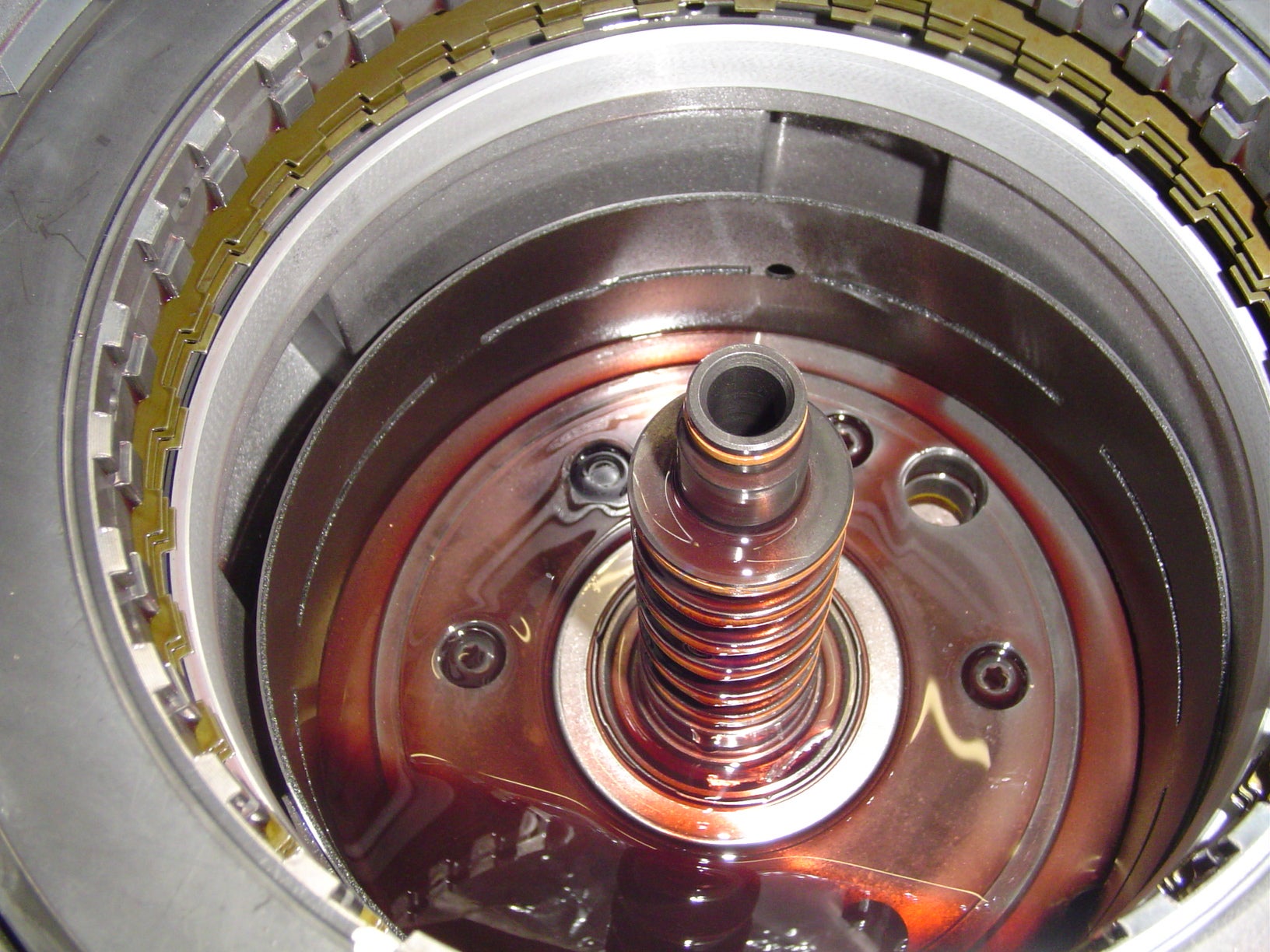
As we’re sure you know by now, April is National Car Care Month! We’ll be helping our readers learn more about proper car maintenance through a series of helpful tips, tricks, and tasks shared on our social media accounts and blogs.  You’ll learn all sorts of valuable advice to keep your car in tip top shape for years to come, so be sure you’re following us so you don’t miss a single tidbit of knowledge. To get the ball rolling today, we’re sharing our car care tips to help maintain your vehicle’s transmission!  And be sure to check out our social media feed for ongoing tips, tricks, and hacks to keep your car fresh, clean, and functioning. more Depending on the type of vehicle you drive and how old it is, your vehicle will eventually need some transmission care. It’s important to regularly maintain your transmission during the vehicle’s life to avoid costly repairs. Check your transmission fluid on the regular.  Always be sure to use the proper transmission fluid for your make and model. We recommend doing this each time you check your vehicle’s oil Your owner’s manual will specify what type of fluid and how much you’ll need.  If you’re not the DIY mechanic type, you can consult your friendly neighborhood mechanic with assistance in locating the right transmission for a refill or top-off. Here’s how to check your vehicle’s transmission fluid: turn your vehicle on and let it idle, then locate the transmission fluid (refer to your vehicle’s manual).  Pull out the dipstick and wipe it off, reinsert it, then pull it out again to get an accurate reading.  You should have a dipstick with bright red fluid that has a slightly sweet odor; if the fluid is dark, or has a rank, fishy smell, it needs to be looked at by a mechanic or specialist. Just like an oil change, it’s important to have your vehicle’s transmission should be flushed regularly by a professional mechanic. This is generally done annually, or according to your vehicle manufacturer’s manual if it directs you to do so more frequently.  The longevity of the transmission fluid depends heavily on your driving habits and the running temperature of your vehicle, so you should have this checked at each service call just to be on the safe side.. While it can be tempting to volunteer your large truck, SUV, or crossover for hauling heavy things, be sure you adhere to the tow capacity limits.  Avoid using your vehicle to frequently tow heavy loads, especially in extreme temperatures such as high heat or below freezing temps.  Exceeding the towing capacity or frequently pulling heavy objects can do significant damage to your transmission, especially if you’re doing so on a regular basis.  Towing capacity limits are a guideline to prevent your transmission from over exertion; each time you go over the limit, the transmission has to work harder to manage the increased load weight.  This can lead to overheating as well as damage to the transmission and increased stress on the rest of your vehicle, meaning costly repairs will be in your near future. Maintaining proper service tasks at regular mileage intervals can affect the vehicle’s health as a whole!  Be sure to keep up with routine maintenance, such as servicing the vehicle's cooling system as part of your regular preventative service schedule.  Why is this important? Well, the transmission fluid cooler is nested inside the radiator.  When everything is properly working in the engine’s cooling system, the fluid is able to pass over the transmission cooler within the radiator. This helps excess heat from the transmission be carried out and expelled from the vehicle. However, if the vehicle overheats and cannot keep the engine cool, this can lead to transmission overheating and it may be damaged or fail entirely. Be sure to check out our previous blog posts about vehicle maintenance to learn more about regularly scheduled mileage service appointments, and follow us on social media (Instagram, Facebook, etc) so you never miss a tip!

Moose (Alces alces)

Road Trip to Visit Cascade River State Park in Minnesota

Today we’re getting ready for our first big road trip of the Spring season, and we’re headed to Cascade River State Park in Minnesota.  Named for the beautiful river that cascades through the park in a series of waterfalls and into the gorge, this geological state park is a must-see. There’s plenty of outdoor fun to be had for all ages and all interests, and we’re sure you’re going to have a memorable experience!  So what are you waiting for?  It’s time to hit the road to adventure in your new car from Classic Auto Group of Waukegan! more The Cascade River flows down a variety of ledges throughout the park for a total drop of 900 feet as it makes its way to Lake Superior.  Stop by any of the lookout viewing points above the river, or trek over to the footbridge that spans across it and take in its magnificent, powerful beauty. The park has 18-miles of hiking trails which pass through hardwood-conifer forests filled with spruce, fir, cedar, aspen, birch and maple.  The paths here were created back in the 1930s, long before the park’s initiation into official state-park designation, thanks to the Civilian Conservation Corps.  The trails here include Cascade River Lower Loop, Lake Superior Shoreline Trail, Lookout Mountain Loop, Superior Hiking Trail, and the Gitchi-Gami State Trail which cuts its way through the park.  Visitors recommend hiking up the river via the Waterfall Trail Loop and then take the spur trails down to the river to experience the stunning waterfalls; The Cascades include 5 different waterfalls, 4 smaller and 1 large, as the river makes its way through the rocky gorge. There are 40 drive-in camp sites, 4 pull-through camp sites, 5 backpacking campsites, and two group camp sites.  Showers and flush toilets are available seasonally, and vault toilets are available year round throughout the park for your convenience.  You can reserve your campground site in advance on the MN Department of Natural Resources website.  The park also has seven picnic sites and an enclosed picnic shelter with wood stove, as well as a winter warming house.  If you’re looking for firewood or ice, both are available at the park office for your convenience. In addition to camping and hiking, there’s ample opportunity for fishing, swimming, kayaking, canoeing, and paddleboarding.  The Cascade River is a top notch fishing spot.  Fly fishing is a very popular activity, and you can grab your local fishing permit in the nearby towns like Lutsen and Grand Marquis.  The tributaries surrounding the river and lake are perfect for year-round fishing.  Be on the lookout for steelhead, brook trout, and even salmon! This stellar park is also home to an abundance of wildlife thanks to its hilly terrain and plentiful water sources.  Nature lovers will be excited to spot majestic moose, timber wolves, pine martens, coyotes, black bears, river otters, white-tailed deer, salamanders, snapping turtles, racoons, foxes, porcupines, bats, a variety of songbirds and birds of prey, and of course plenty of fish.  The best places to spot the wild animals are from the Superior Hiking Trail, Lookout Mountain Loop, and Lake Superior Shoreline Trail.  This North Shore region state park offers a variety of habitats that also have a variety of wildflowers, which attract plenty of pollinators and animals as well as putting on a spectacular show.  Keep your eyes peeled in the mossy clumps for rogue frogs, salamanders, and interesting insects. As you can see, there’s no shortage of beauty and excitement at this 118-acre park along Lake Superior.  We can’t wait to visit this year, how about you?  Let us know in the comments what areas of the park you’re excited to explore!

Flower field during spring

Local Community Calendar of Springtime Events for Lake County Illinois (April 2025)

We’ve bid a fond farewell to winter and a hearty welcome to Spring! This month’s community calendar is all about getting outdoors and enjoying the sunshine, and spending quality time with loved ones after being cooped up from the cold. We’ve got egg hunts and Earth Day activities, paint nights and trivia events, and plenty of shopping to be had at local, sustainable fairs.  Check it out on today’s blog! more Wednesday April 2nd at Buffalo Creek Brewing, come on out for a relaxing evening to unwind midweek with Yoga Happy Hour starting at 6PM in Long Grove in the Rustic Room. On April 3rd, Wild Onion Brewery is hosting a Thursday Night Trivia, this time “Doggone Trivia” where you play and compete for prizes while supporting conservation efforts for an endangered species, African Painted Dogs. Level up your kitchen skills on April 3rd at the Joyful Gourmet in Libertyville with a Thai Cuisine Cooking Class. You’ll learn how to make Thai Shrimp Rolls with peanut sauce, Tom Kha Gai, and Chicken Pad Thai. Head over to Buffalo Creek Brewing in Long Grove on Friday April 4th for the “Hops for HEarts” to benefit Project Bubaloo with local craft brews, food pairings, and non-alcoholic beverages.  Bring your friends to the craft brew and food tasting and bid on silent auction items for a good cause. Lights Camera Candles Movie Night is back at Romney Brown Candle Company in Grayslake, this time on April 5th from 6-8:30 for “Girls Trip” (Rated R)  You’ll get to take home a custom candle, themed topper and label, and enjoy pizza with the movie. Tangled Forest Festival of the Arts and Crafts is happening Friday April 4th through Sunday April 6th at the Lake County Fairgrounds and Event Center in Grayslake. It’s Paint and Sip Night at Timothy O’Tooles in Lake Villa on Thursday April 10th. This week’s theme is “Wayward Witches” inspired by the musical and movie “Wicked”!  All supplies are included with your admission, book in advance! American Place Casino is celebrating National Pet Day in Waukegan on April 11th to benefit Save-a-Pet with photo contests, giveaways, live DJ and adoption event!  Event runs from 12-2 and 4 to 6PM. Enjoy the Maker Faire of LAke County on Saturday April 12th at the College of Lake County in Grayslake. This 5th annual event is the biggest event for creatives and aspiring young makers as they show off their hobbies and projects, and inspire others to explore the same.  It’s free and open to the public. The G rayslake Antique Vintage Market is happening on Saturday April 12th at the Lake county Fairgrounds and Event Center in Grayslake. Come and peruse the wares such as vintage items, estate jewelry, antiques, collectibles, and more. The Historic Downtown Long Grove Bunny Hop Event is taking place on Saturday April 19th from 11AM to 2PM. This family friendly event invites families and friends to follow a trail throughout the downtown to find different treats and activities along the way at each business. Entry is free, and booths will have treat-filled eggs, facepainting, photo ops, and more. Take a Hike Through History for Earth Week at Raven Glen Forest Preserve in Antioch on Monday, April 21st; registration is currently open. The Earth Day Harbor Clean Up at Waukegan Harbor is taking place on Saturday April 26th. Gloves and garbage bags will be provided to volunteers who come to help clear debris. Coffee, Tea, Hot Chocolate, and light snacks will be provided. On Saturday April 26th in Vernon Hills from 12PM to 3PM, enjoy the Earth Day Expo and Market at Hawthorn Row with eco-friendly handmade and local goods. There will be recycling stations to drop off items, sustainability showcases, live animals, interactive exhibits and educational demos, facepainting for families, and of course it’s free for all to enjoy! Join the all-day haunted affair with the Lake County Ghost Adventure Tour on SAturday April 26th from 10AM to 5PM in Long Grove. Follow along with local historians and veteran paranormal researchers as you  explore cemeteries and historic sites in search of ghostly companions.  Wear comfortable clothing and supportive footwear – this tour involves a fair amount of walking! BYO Camera and Ghost Hunting Tools encouraged. The Long Grove Craft Beer Festival is back at Historic Downtown Long Grove on Saturday April 26th ; 21+ to enter and admission ticket required for purchase, advance sales receive a discount admission.

Contact Us

Fill out this form below and we'll contact you shortly
*Required Fields