Hyundai Motor Group Metaplant America, the key pillar of the Group’s $12.6 billion investment in Georgia and the largest economic development project in the state’s history, is now open Vehicle assembly and battery plant will produce up to 500,000 electric and hybrid vehicles annually for Hyundai, Kia and Genesis brands Hyundai Motor Group commits to an additional $21 billion investment from 2025 to 2028 to drive U.S. manufacturing growth Since entering the U.S., Hyundai Motor Group has invested $20.5 billion in the U.S., creating directly and indirectly more than 570,000 American jobs more Hyundai Motor Group Metaplant America (HMGMA) today hosted its Grand Opening celebration, as part of Hyundai Motor Group’s commitment to and investment in the U.S. The ceremony marks the completion of the largest economic development project in Georgia’s history, just two and a half years after breaking ground. “Hyundai Motor Group Metaplant America not only represents the Group’s advanced manufacturing capabilities and commitment to innovation, but also our investment in relationships with our partners and communities right here in Georgia,” said Euisun Chung, Executive Chair of Hyundai Motor Group. “With the rich history of craftsmanship and manufacturing in this community, together with the talented workforce at HMGMA we are building the future of mobility with America, in America.” The event was attended by Hyundai Motor Group Executive Chair Chung, Governor Brian P. Kemp, U.S. Representative Buddy Carter, Hyundai Motor Group Vice Chair Jaehoon Chang, Hyundai Motor Company President and CEO José Muñoz, Kia Corporation President and CEO Ho Sung Song, company officials, state and local leaders, HMGMA Meta Pro employees, and other distinguished guests. “Hyundai Motor Group Metaplant America is a once-in-a-generation opportunity, made possible by our commitment to working with job creators to build fruitful partnerships for decades. Collaborations between HMGMA and Georgia’s universities and technical colleges, including Georgia Quick Start’s on-site training facility, are preparing Georgians for high-quality jobs of today and tomorrow, while our award-winning infrastructure, such as our ports connects companies to markets around the nation and globe,” said Governor Kemp during the event, highlighting the positive impact of the plant on the state’s economy as well as its role in advancing innovative manufacturing and cultivating a skilled labor pool in Georgia. HMG entered into a landmark agreement with the State of Georgia in May 2022 to establish a cutting-edge electric and hybrid vehicle production and battery manufacturing facility in Ellabell, Georgia, located 20 miles outside of historic Savannah. By June 2022, HMGMA was officially formed, and within four months, the company broke ground on the project, setting an unprecedented pace for development. On October 3, 2024, less than two years after breaking ground, the first vehicle – a Hyundai IONIQ 5 – rolled off the assembly line, marking a new era for the Group’s U.S. operations. Hyundai’s IONIQ 9 three-row electric SUV is also now in production at HMGMA and will be joined in 2026 by the first Kia model to be built at the facility. In addition to manufacturing electric vehicles for Hyundai, Genesis, and Kia, the plant is also equipped to produce hybrid vehicles. HMGMA has the capacity to initially produce 300,000 vehicles annually. Investment and Economic Impact The Group's investment in Georgia related to HMGMA and joint battery ventures with LG Energy Solution and SK On is $12.6 billion. This represents the largest single investment in the state's history and includes a total of 8,500 jobs at HMGMA by 2031. The Group’s total investments in Georgia are expected to create nearly 40,000 direct and indirect jobs, and $4.6 billion in individual earnings every year, according to the Center for Automotive Research. As of July 2024, more than $2.5 billion in capital investment and approximately 6,900 jobs have been announced by HMGMA suppliers in 12 counties across the state. This more than doubles the additional $1 billion investment by suppliers that was originally anticipated. HMGMA exemplifies the Group’s dedication to fostering economic growth, driving technological advancements, and delivering sustainable solutions to the U.S. market. To date, the Group has invested more than $20.5 billion in the U.S. in the service of these goals, creating or supporting over 570,000 jobs nationwide. Earlier this week, the Group announced a significant investment of $21 billion in the U.S. from 2025 to 2028; $9 billion will be invested to establish an annual production capacity in the U.S. of 1.2 million vehicles. The Group plans to expand HMGMA's annual production capacity to a total of 500,000 units, an increase of 200,000 units from the original plan. In addition, the Group’s existing U.S. production sites – Hyundai Motor Manufacturing Alabama and Kia Autoland Georgia – will also see improvements in production facilities. A total of $6 billion will be allocated to enhance the Group’s parts and logistics business, as well as establishing an Electric Arc Furnace-based integrated steel mill in the U.S. through its affiliate, Hyundai Steel, with an annual steel production capacity of 2.7 million tons. The mill will supply high-quality automotive steel plates to HMGMA when commercial steel production begins in 2029. The Group will invest an additional $6 billion to drive innovation and expand strategic partnerships with U.S. companies in areas including autonomous driving, robotics, artificial intelligence (AI), and advanced air mobility (AAM). Through this $21 billion commitment to drive U.S. manufacturing growth, the Group anticipates it will create 14,000 new direct full-time jobs in the U.S. by 2028. The overall economic impact is expected to generate more than 100,000 direct and indirect job opportunities across related industries. Technology and Design HMGMA’s architecture blends advanced technology with design elements that reflect Hyundai’s brand identity and the natural beauty of the Savannah area. HMGMA has integrated a variety of proof-of-concept manufacturing technologies and systems from Hyundai Motor Group Innovation Center Singapore (HMGICS), scaling these to accommodate the larger production volume at the Georgia facility. For example, all HMGMA’s processes – order collection, procurement, logistics and production – are optimized using AI and real-time data, and cutting-edge robotics and vision systems ensure high-quality vehicle production. These innovative manufacturing systems help create a human-centered work environment with robots assisting human workers, improving efficiency. HMGMA expands its mixed-model production capability and integrates various robot processes to enhance automation, including automated guided vehicles for an optimized logistics system, Boston Dynamic’s Spot for exterior quality inspection in the weld shop, and parking robots in the assembly shop. Automation in HMGMA’s assembly shop is nearly double that of the Group’s existing facilities. “It’s a historic moment that our state-of-the-art smart plant is officially open,” said Oscar Kwon, CEO of HMGMA. “It is as important for us to create a comfortable and welcoming work environment for our Metaplant employees, also known as Meta Pros, as it is for us to create an energy-efficient and technologically advanced plant. It is essential for our Meta Pros to be happy, comfortable and safe in their work environment for long-lasting careers at HMGMA.” All the work zones, from office to production areas, have been designed to encourage communication and build team collaboration. The designs feature open layouts with ample daylight and indoor landscaping. Production areas, such as those in the assembly building, have team centers with skylights delivering natural light at the center of the building and can be used for employee breaks and meetings. The 3,050-foot-long front of the HMGMA building’s exterior is lit in two parallel lines, inspired by a stream, and outlines an area where interstate travelers can view the vehicles as they travel by conveyer from paint to general assembly. A solar parking lot located at the front of the site will generate 5.2 megawatts of energy, accounting for roughly five percent of the Metaplant’s total power consumption. The solar panels are installed above 1,878 parking spaces, providing shade for vehicles while simultaneously producing electricity. A 41-acre ecological park that includes trails, running tracks, sports fields, and picnic areas will feature prominently in front of the Metaplant – all for Meta Pros to enjoy before or after work. Construction of the park is ongoing. Hydrogen Ecosystem HMGMA has deployed Hyundai Motor XCIENT heavy-duty hydrogen fuel-cell electric trucks for clean logistics operations. A total of 21 XCIENT trucks are currently in operation, representing more than a third of the Glovis America truck fleet at HMGMA, which transport vehicle parts from suppliers across the region to the 2,906-acre Megasite where HMGMA is located on a daily basis. This industry-leading initiative represents a significant step forward in HMGMA’s leadership efforts to both reduce its carbon footprint and actively promote sustainable practices in daily logistics operations. Community Engagement Working under Hyundai Motor Group’s global vision of shaping a better future for humanity through smart mobility solutions and sustainable innovation, Hyundai Motor has supported several non-profit organizations that have had a positive impact on the community, especially in the areas of education, safety and sustainability. Since 2022, Hyundai and Genesis, along with various social responsibility initiatives and nonprofit organizations, have donated nearly $4.5 million to local organizations in Georgia. Kia's Autoland Georgia factory in West Point has provided over $22 million in support of Georgia communities since 2009, including more than $6 million to support educational programs such as the THINC College & Career Academy, and SAE’s “A World in Motion.” About HMGMA Hyundai Motor Group Metaplant America (HMGMA) is Hyundai Motor Group’s first dedicated electrified vehicle mass-production plant located in Bryan County, GA. The new plant boasts a highly connected, automated, and flexible manufacturing system, which organically connects all elements of the EV and hybrid ecosystem to realize customer value. The Georgia facility is an intelligent manufacturing plant. All processes of production—order collection, procurement, logistics and production—are optimized utilizing AI and data. The innovative manufacturing system also helps create a human-centered work environment with robots assisting human workers. About Hyundai Motor Group Hyundai Motor Group is a global enterprise that has created a value chain based on mobility, steel, and construction, as well as logistics, finance, IT, and service. With about 250,000 employees worldwide, the Group’s mobility brands include Hyundai, Kia, and Genesis. Armed with creative thinking, cooperative communication and the will to take on any challenges, we strive to create a better future for all.

How to Maintain and Store Your Classic Car
On today’s Gearhead Guru Guide, we’ve got a checklist of service points and maintenance tasks to help you care properly for your classic car. We’re focusing on some maintenance tasks and tips for keeping your collector cars and vintage cars in their best condition. These basic maintenance tips and checks will save you a lot of hassle and large ticket repairs down the road. Let's learn how to care for your classic car and keep those vehicles pristine for years to come! more The Basics of Maintaining and Storing a Classic Car The care and keeping of your vintage and classic collectible vehicles is paramount! Learn how to properly prepare your car for long term storage, keep you car in top shape while it's actively in use, and how to spot signs of damage before they become a larger issue. Always use the correct type of gas. Collector cars tend to be older and have differing needs to the average modern car. While modern unleaded gas contains a percentage of ethanol, this may not be ideal for your vintage collectible. We recommend utilizing “recreational gas” often sold for use in boats, RVs, campers, etc, as this is generally an ethanol-free option. Additionally, store your car with a full tank of gas to prevent condensation and moisture build-up during storage. Change and flush the fluids. Make sure you have the transmission fluid and differential fluid flushed and changed. The cooling system should be flushed out annually to help prevent corrosion, clogging, and build up. Let your mechanic know how long the vehicle will be stored for so they can help you find the correct ratio of distilled water to coolant for optimal storage. Make sure you also bleed the brakes twice a year for proper maintenance and even wear on the brake pads and rotors. Inspect and maintain the tires. Since classic cars are generally not a daily driver, this means they’re spending a lot of time in storage. While tires can last for several years, factors such as weather, heat/humidity, duration of storage time, driving habits and frequency all have a heavy impact on durability and longevity. It’s important to take your classic car out for a spin and regularly condition and clean the tires to prevent dry rot and other issues. Make sure you’re checking tire pressure and inflating appropriately to proper PSI. Keep up with regular tire rotations and tread depth checks as well. Regularly inspect for signs of excessive wear and rust, and keep it clean both inside and out. Older cars are more susceptible to rust and rot, especially on the undercarriage and wheel wells. Bringing your classic car into a professional car wash and detail once a month or every other month is recommended to maintain the exterior paint and prevent buildup. Cold weather months can have an added risk for salt build-up and road gravel damage, so you will want to rinse it off weekly if driving in cold winter weather. Cars that sit in storage may also take on a couple of hitchhikers like mice, chipmunks, and related rodents who take up residence in the stationary vehicle for warmth and safety; be sure to check the interior fabrics and upholstery for signs of rips, tears, and animal droppings. Remember to use the correct motor oil. Collector cars generally require a conventional oil, instead of the modern day synthetic options.For collectible and antique cars that may be sitting in storage longer, you should maintain a schedule of at least once yearly oil changes plus oil filter replacements at minimum. Keep a regular eye on your oil levels as well, never letting it dip low to prevent long term damages. Store your classic vehicle properly. The vehicle should be placed in a temperature-controlled environment not exceeding or going below 50 degrees for optimal storage, and never above 70 degrees. A heated garage or climate controlled storage facility are preferable. Use a dehumidifier to maintain no more than 40-50% humidity.. The environment should be clean and dry to prevent humidity causing rust and other degradation. Cover the vehicle with high quality vehicle cover custom fitted to your make/model to help preserve the paint and exterior. Consider also utilizing a “tire saver” or tire cushion to prevent flat spots during longer term storage.
Essential Tools for Every Beginning Mechanic
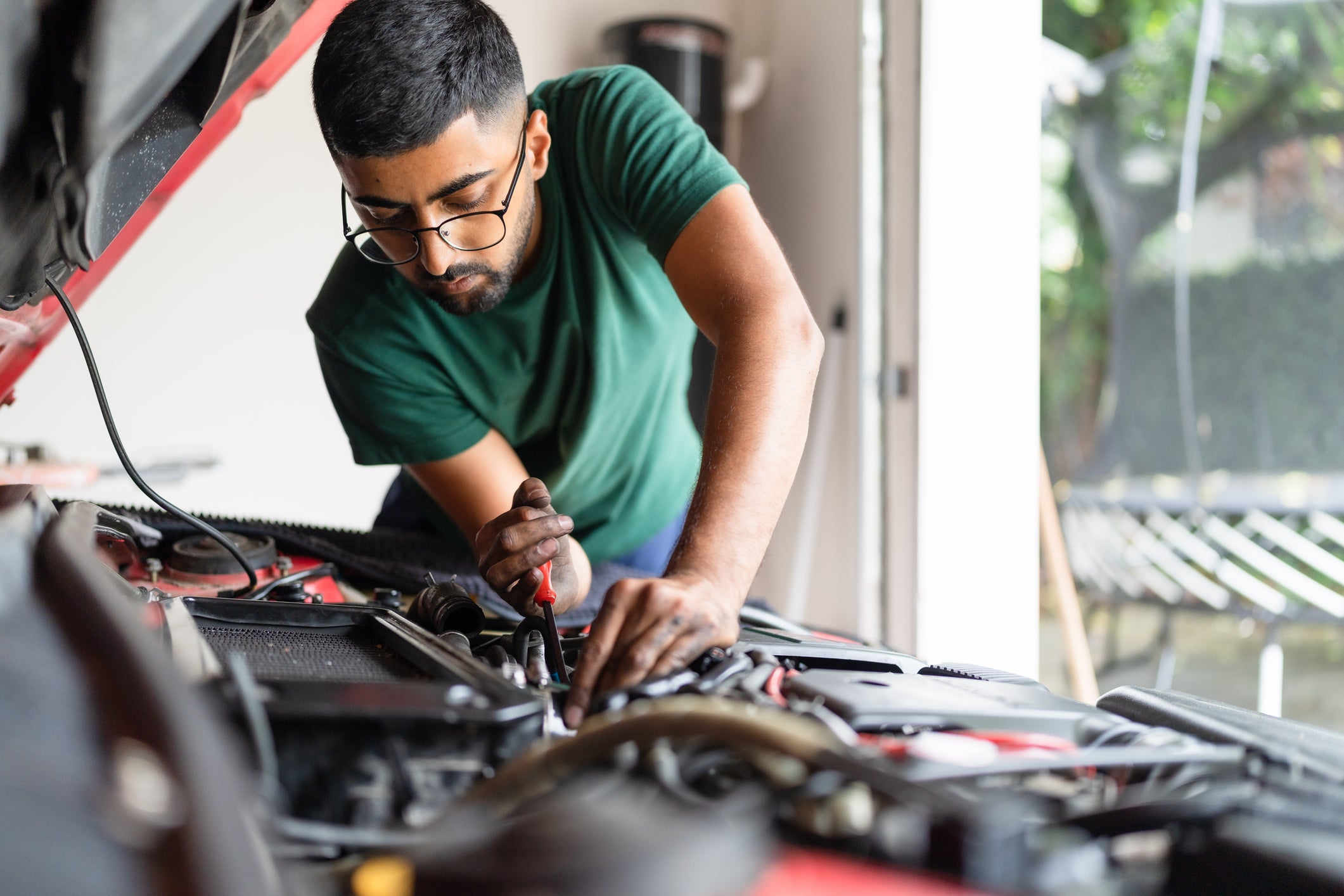
Welcome back to another edition of our Gearhead Guru Guide series. Today’s edition is focusing on the must-have basics that every automotive enthusiast should stock in their at home garage, so you can set yourself up for success on road and off! We’re here to help you become a fully fledged car enthusiast by giving you the knowledge and tips you need to succeed. By the end of today’s post, you’ll have a great shopping list to complete your must-have mechanics tool-kit! more Air Compressor Kit and Tire Pressure Gauge - An air compressor that’s powered by a rechargeable battery or your vehicle’s battery via USB or other plug port is a great option for every home mechanic. This allows you to regularly inflate your tires to proper pressure with each seasonal change, as well as after each rotation or flat repair. Code Reader - This essential equipment allows you to read your vehicle’s computer to get the proper diagnostic information. It can help differentiate between the need for a minor maintenance issue or major repair. Some code reader models also allow you to clear the code readout and trigger the warning light back off after the repair has been completed. Electric Ratchet - These tools are essential and make loosening fasteners like nuts and bolts and reduces the physical effort required for these repetitive repair tasks. It can help get into tight spaces where traditional ratchets may not fit, and allows for ease of loosening items in hard to reach places and complex repairs. It’s one of the most versatile tools in a mechanics tool kit! Impact Wrench - This tool provides high torque to efficiently loosen or tighten stubborn bolts and nuts.. This is also sometimes known as an impact gun, and is designed to deliver rapid rotational force and significant amounts of torque to save valuable time. It can also help remove parts such as exhausts, suspension parts, and other fasteners. Jack Stands - These versatile devices can support the weight of your lifted vehicle, as well as providing additional support for floor jacks for extended lift times. Oil Drain Pans - Oil changes are one of the earliest things you’ll learn as a budding hobby mechanic. You’ll want to find the right sized oil pan to suit your vehicle's needs to accommodate the oil capacity needed. Oil pans come in a selection of features such as with handles, pour spouts, and other conveniences, and in multiple price points to fit any budget. Pliers and Wirecutters - A versatile set of pliers is an absolute must for every mechanic. Choose a set that is comfortable and has adjustable pressure and grip. Rechargeable Battery Jump-Starter - This conveniently sized yet powerful battery pack will help jump-start any vehicle battery. Connect specialized booster cables to the pack and then to your vehicle’s battery to provide a jump without the need for a secondary vehicle. They’re extremely portable, making them a great essential accessory for traveling mechanics or road trip enthusiasts alike. There are numerous sizes and styles as well ranging from large suitcase models to pocket or backpack sized entries. Safety Gear - Every mechanic should have a good sturdy set of workboots and sturdy non-skid footwear. In addition, you should have several eye protection options such as safety goggles and eye protection, a welding helmet, and face masks. You’ll also want a sturdy pair of gloves that are thick enough to withstand heat, and protect your hands from fluids and liquids inside the vehicle. Remember to also consider ear protection for your hearing as the equipment and lifts inside a garage are very loud. A well-fitting respirator will also come in handy to avoid fumes from chemicals and automotive fluids. A good quality ventilation filter or HEPA system can help filter out toxins and fumes as well. Screwdrivers and Screw Holders - Having an assortment of various sizes and types of screwdrivers is vital. You can pick up a quality set for affordable prices at your local hardware store, or take it to the next level with a mechanic specified screwdriver kit at your local automotive store. Screwdrivers are an essential part of every mechanic’s tool kit, especially several phillips, along with a customizable heavy impact screwdriver and torque screwdriver. To prevent losing those important pieces when disassembling your vehicle for service, consider a magnetic screw holder for your wrist or a small compartment of your toolbox with a closing lid. Wrenches - These are another staple of basic automotive repair and maintenance. A combination set of wrenches will serve you best here. There are large sets of basic wrenches available at your local hardware store in 1-, 12, and 20 piece sets that feature a ratcheting end. In addition, you’ll want both an impact wrench and torque wrench for tightening nuts and bolts, as well as an adjustable wrench which has a movable lower jaw, allowing you to customize it as needed. Having a variety set of varying widths and lengths of a Hex/Allen Wrench is another key tool set.
Incredible Walking Tours of Chicago
After a long, cold winter, we’re all hankering to get out there in the sunshine and enjoy some fresh air. What better way to do so than experiencing the beautiful cityscape with a walking tour! Whether you’re in the city regularly for work, or perhaps there frequently to catch a game, concert, or show, we can still bet you’ll find something new and intriguing to experience. Browse the cities tantalizing local eateries and food trucks, take a tour down memory lane by visiting classic family friendly destinations, travel back in time to days gone by as you learn about local art and culture, the city’s beautiful architecture, and local history! more Let’s start off with some food for fuel! Here are some fantastic walking tours around Chicago highlighting some of the most incredible eateries and restaurateurs in the metropolitan area. We bet you’re going to find your new favorite go-to restaurant when you’re in the city! History on Tap shares the secrets, history, and legends behind Chicago’s drinking history. Step back in time and learn about the speakeasies of the Prohibition era, find top tier bars that are a locally kept secret, visit bars frequented by celebrities and legends of bygone eras. You’ll get a walking tour of the city’s best and most beloved taverns and bars with a side of local lore. Spice of Life Tours offers a unique experience with insight into the rich tapestry of cultures that make Chicago so unique. You’ll take a trek through global regions in each of Chicago’s many neighborhoods: Little India, Little Arabia, and Little Chinatown. You’ll experience the savory and sweet from different cultures, shop for unique goods from around the world, discover a world of architectural delights in each ethnic neighbourhood, and experience art and entertainment from each region. Chicago Food & City Tours are a fantastic way to get bite sized snippets of the city’s best kept secrets: dine at authentic cultural restaurants, relish the wares from the most exquisite specialty bakeries, sample the finest and most delectable street food options, and so much more. You can select 3 hour tours, full-day tours, and even book multi-day itineraries! Let’s uncover secrets and explore unique destinations of the windy city! Now that you’re all fueled up and have some energy to burn, we’ll be taking some more serious walking tours around the city. Explore your home base like you’ve never seen it before as you learn about its secrets, mysteries, and oddities along with historic sites. Bizarre Bucktown is where it’s at if you’re looking for interesting, quirky, and memorable experiences of Chicago. It doesn’t matter how many times you’ve been to the city, you’ve never seen it like this! On your 90 minute walk with a small, intimate group of folks, you’ll learn about the history and hauntings of Bucktown and Wicker Park. Tickets are just $15 per person, but the memories are priceless! Weird Chicago Tours is an excellent option for adults, finicky teens and older tweens to experience history with a bit of mystery. With options for Walking tours and Bus tours, you’ll enjoy a wide range of entertainment and education. It’s a dark, mysterious, and dramatic Chicago tour touching on true crime, gangsters and mobsters, and haunted happenings in the city. The Offbeat Street Tours are the best way to explore the city and its unique characteristics. Celebrate the street scene and indie arts culture that has helped turn the metro area into a living, breathing gallery of murals and drawings. Explore the vibrant arts scene of Wicker Park, Bucktown, and Logan Square and get a background about each artist, their painting styles, and their inspiration. Descubre Chicago offers customized sightseeing tours exclusively for Spanish speaking visitors. You’ll be able to comfortably explore the city and never miss a word. Experience the city’s best attractions and learn about its architectural history with these convenient, comfortable tours. Urban Adventure Quest morphs the city into a gigantic board game for you to explore as you collect clues and complete challenges along the way. This play at your own pace game is perfect for families and groups, and can be used with any smart phone through a self-guided quest. You’ll walk through amazing parks, explore outdoor art installations, visit historic streets, marvel at the architecture of hotels and restaurants and businesses, and get a great overview of the city. Let’s see the best and brightest that Chicago has to offer! Free Chicago Walking Tours are led by local guides who know the neighborhoods inside and out for free public tours or reasonably priced paid private tours for groups of more than 6 and up to 20! (Tipping your guide is recommended, especially on the free options.) This group’s tours are perfect for those who do not want to do endurance training via sightseeing, because they’re just 1 to 3 miles in distance! It’s the perfect option for those with kids and teens, because it’s just the right amount of time. It’s a great way to make new friends and socialize with locals and tourists alike. Chicago Greeter is a free, year-round option for small groups to tour the city with a local volunteer. You can book a tour and select the region of your choice, and the guide will curate a customized walk through the city just for you! You can select from 10 languages, 25 neighborhoods, and 40 niche interests. It’s the perfect way for your family and friends to experience all that Chicago has to offer with nothing boring for your taste, because it’s tailored specifically to you! The Loop Mural Walk is a free downtown adventure tour and self-guided journey to view the ever-changing landscape of street art in Chicago. It features more than 20 murals by internationally recognized artists and creatives around the globe. You can use your phones to navigate the turn-by-turn directions to view the works in the recommended order, or check out “The Murals” option to take your own path. It’s a colorful, creative, and unforgettable experience for the whole family, and makes a fun day out with pals as well! Be sure to bring your camera or leave extra room on your smartphone, because the murals make excellent backdrops for selfies and portraits. Chicago Architecture Center offers an impressive 70 different walking tours to select from. Volunteer docents are certified and trained by the CAC to provide you with knowledgeable guided tours through the city’s most vibrant neighborhoods as well as downtown. You can’t go wrong with booking a CAC tour. Your guide will show you a wide array of architectural styles and explain the detailed history and design behind each one.
Four Fantastic Midwest Getaways for Spring
It’s never too early to start planning your Spring Vacation and Mothers’ Day Weekend getaways! Today on the blog, we’re sharing three fantastic destinations to check out for spring road trips in the Midwest. Each of these areas offers a truly unique perspective and energy, and celebrates the changing of the season from winter to spring in their own way. From fields of tulips to fun on the lake to lush green forests, we’re sure you’ll find the perfect destination for you and your loved ones to enjoy. So, what are you waiting for? Hop on in your new car from Classic and let’s hit the road for some fun in the spring sun. more Holland, Michigan is by far one of the most beautiful cities to visit during the Spring. Forget about expensive plane tickets and passport fees, you’ll be transported to the Netherlands right in the middle of the US! The Holland Tulip Festival is one of the most memorable events in the Midwest, filled with vibrant blooms as far as the eye can see, and a charming Dutch style windmill and European architecture seal the deal. Veldeheer Tulip Gardens is prime viewing in May with 6 million tulips and 850 varieties! This year the Tulip Festival takes place from May 2nd through May 11th! You’ll be transported to Amsterdam with a visit to Nelis’s Dutch Village and the charming little amusement park, cheese maker, and European style shops nearby! Locals love the Bowerman Blueberries Farm Market, which specializes in blueberry products such as ice cream, donuts, and specialty baked goods (they also offer limited gluten free items while they last!) You’ll also find several historic homes to visit and beautiful parks to stroll and soak up that spring sunshine. Madison, Indiana is a great choice for an outdoorsy Spring Break vacation. Clifty Falls State Park is a must-see destination with ever changing scenery each season, making it worth visiting again and again. The park has 1,416 acres with 12 miles of trails, 70-foot gorges, and four magnificent waterfalls ranging from mega plunge falls to bridal-veil mists; it’s a true nature lover’s paradise. Cyclists will find incredible biking along the rolling hills and paths along the Ohio River Scenic Byway, and every skill level will find a ride to enjoy. Anglers will enjoy some boating and fishing along the Ohio River or one of the local fishing holes. Book a river tour on the unique Rockin’ Thunder jet boat, the only one of its kind in the Midwest. Big Oaks National Wildlife Refuge nearby is home to numerous migratory birds, making it a great spot to do some birdwatching and nature photography, as well as enjoying some environmental education, fishing, hiking, and exploring. Put-In-Bay, Ohio is giving New England style island charm right here in the Midwest. This quaint town is surrounded by Lake Erie and features not one but two state parks (Kelleys Island State Park, Oak Point State Park), a half dozen nature preserves and parks, a lighthouse, and lakeside boardwalk. We recommend leaving your car behind and opting for the golf-cart rental for your visit for an authentic experience. The most popular times to visit are June through August, making Spring Break an optimal time for a more quiet, serene getaway. Seeking a taste of tropical island weather during your vacation? We recommend checking out the Islander Inn Resort for your stay where you’ll find palm trees, swimming pools, and an island themed bar. If you’re looking for something more low key, you’ll love the Hieneman Winery, with more than 21 different varieties of wine to choose from. Wichita, Kansas is a fantastic spring getaway destination for midwest families. The Great Plains Nature Center is an educational science and nature facility with hiking trails, bird watching, and an indoor wildlife observatory. Your family will have the opportunity to experience the plains environment, learn about natural habitats and the animals and plants who inhabit the region, and more – and it’s all free! Relatedly for the nature lovers in your midst, the Tanganyika Wildlife Park is an incredible place to learn more about exotic animals through hands-on experiences; enjoy things like feeding the giraffes, swimming with penguins, playing with otters, and feeding a plethora of wild animals! Memorial through Labor Day, the park also has a Splash Park to cool you down. For a kitschy and unique experience, we recommend the official Pizza Hut Museum, which is free and open to the public located at Wichita State University; the museum explains the history and inspiration behind the 2 brothers who founded the popular American pizza chain! Of course, there’s so much more to see and do while you’re there, we can’t fit it into one post, so you’ll just have to visit and see for yourselves.
Spring Cleaning Car Care Tips and Why You Should Detail Your Car
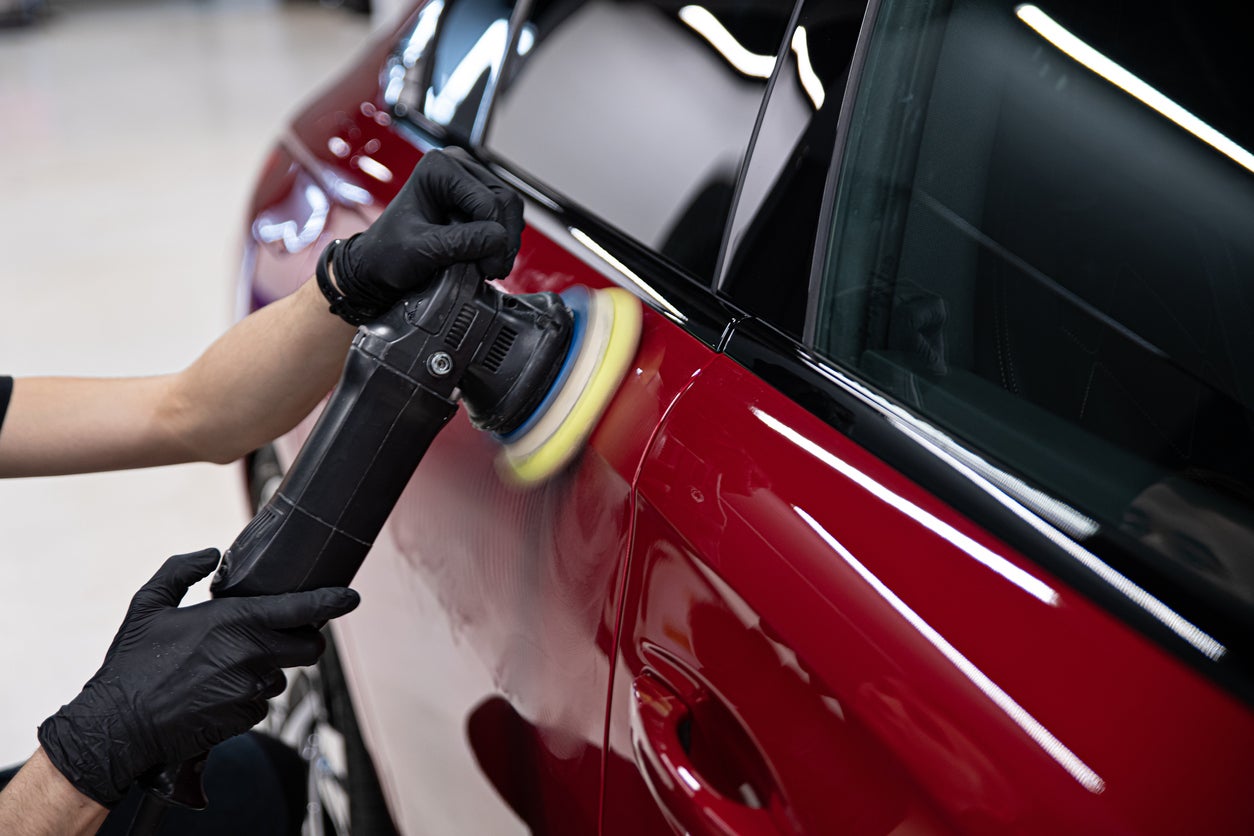
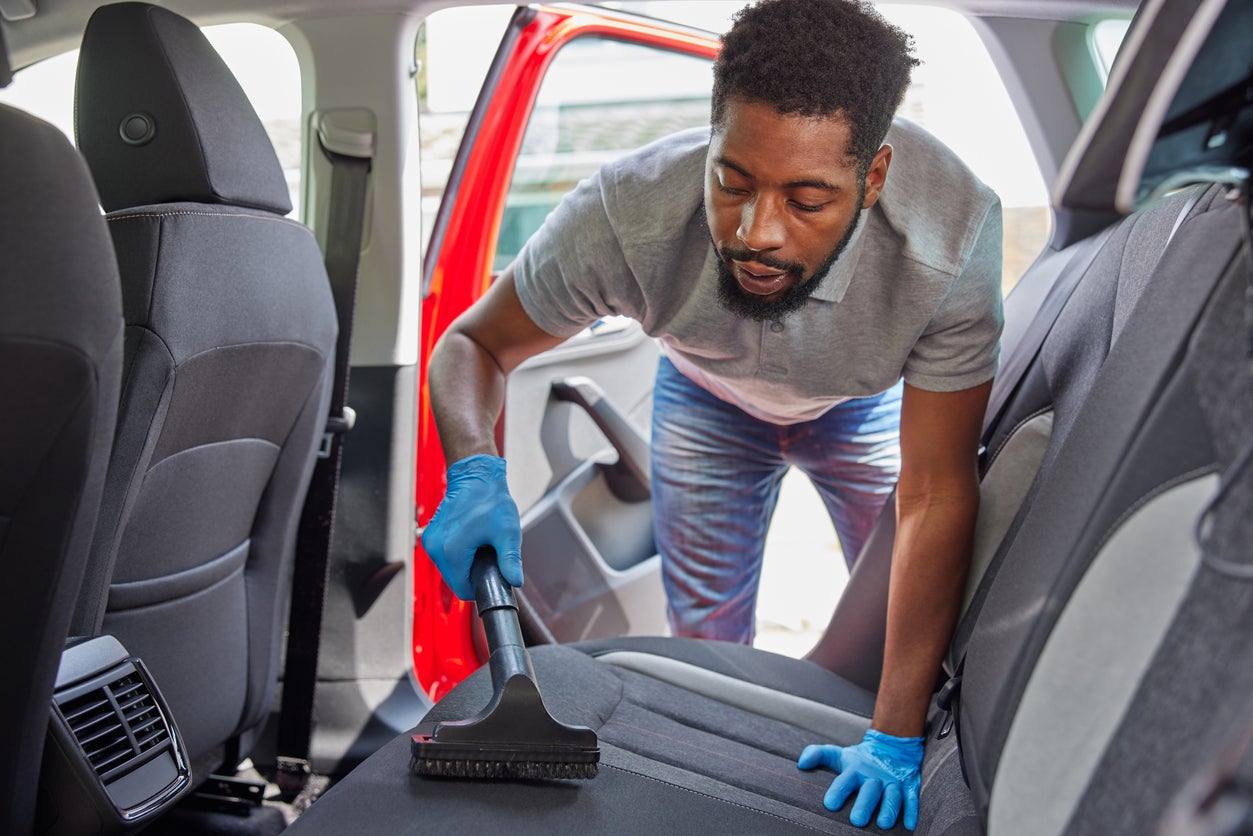
It’s National Cleaning Week! We’ve gone over plenty of ways to clean and organize your garage, and prep your work area for projects, but what about focusing on that car you worked so hard on? Keeping your ride pristine, crisp, and looking fresh as the day you got it is the name of the game, today! We’re going to share a checklist of basic spring cleaning tasks, as well as some great reasons why detailing and cleaning your car regularly is a great idea! more Check your vehicle’s lights. Cold winter weather can take its toll on your lightbulbs and tail lights. Do a quick once over on your car, and make sure that all of your car’s headlights and exterior lamps as well as interior lights are working properly at full brightness. Properly working light bulbs and LEDs can increase your visibility during foggy, hazy weather and rain. Apply a good headlight cleaning solution to the casing to remove dings, scratches, and dullness Change your cabin air filter. Springtime is notoriously bad for allergy sufferers, and the cabin air filter is a great way to clean the air and reduce pollen, mold, and other allergens in your car’s interior. Consider adding a portable HEPA filter to your vehicle in the back seat or center console/cup holder to aid in filtering out allergens! Do an oil change and remember to change the filter! Warm weather means lots of joy rides, so you may need an oil change sooner than you’d expect! If you’re not able to change your own oil at home, it’s a great time to book your regular oil change appointment. Check with your service center to see if your vehicle needs a different higher temperature oil for the incoming warmer weather. Replace wiper blades and apply hydrophobic coating to your windshield. April Showers bring May Flowers, but it’s important to have clear visibility as you drive if you’d like to see the sights of springtime blooming around you! Clean and wash your pet’s seat protectors, crate, and other transport items. Bringing your pets on the road with you is always a fun time, but it’s important to remember they track in a lot of dirt, gravel, grime, and build-up too! Giving their car seats, seat covers, and other car accessories a thorough vacuuming, washing, and sanitizing can help remove allergens from your vehicle, as well as preparing you for more fun hiking and treks with your pup! Give your car a thorough exterior car wash to remove salt and grime, and be sure to detail your vehicle’s interior. Make sure you have your car professionally cleaned to remove the winter muck and salt residue! Next, be sure to get a good upholstery shampoo and vacuum on all of your car’s fabric, or bring it in to a local vehicle detailer. If your car has a leather or leather-blend interior, it’s important to condition the fabric so it doesn’t crack or peel during hot weather months; consider applying a leather conditioner and protector to the surfaces. See below for more information on detailing your vehicle. What is automotive detailing and why should you do it regularly? Detailing is an intense cleaning process that thoroughly cleans the interior and exterior of the vehicle, and light restoration and maintenance that restore your vehicle looking almost new! Detailers hide minor scratches and imperfections through the process of polishing, waxing and sealing. Some detailers do put your vehicle through an automatic car wash first to get the initial grime off, but the rest of the process is done up, close, and personal by hand using special cloths. The detailing is more costly than your average car wash, but these professional cleaners use highly specialized chemicals and sometimes even light cosmetic paint restorations and high-tech protective coating. The best time to do a full detail on your car is during Summer and Fall, but Winter and Spring detailing is important if you live in an area with lots of winter weather, salt/gravel, and ice. Detailing will help prevent those things from building up on your vehicle and causing rust or other damage. As for the additional benefits of detailing, those include: Detailers can preserve the vehicle’s paint and correct minor paint imperfections. Protect your upholstery with deep cleaning, stain prevention and removal, and odor elimination. The interior will be fully vacuumed, washed, steamed, deodorized. Detailing not only extends the life of your car, but it will preserve the value by keeping it pristine through not just the cleaning but detailed inspections and cleanings of the engine. Reduces the spread of germs and allergens through regular maintenance and deep cleaning. Only 2 to 3 deep cleanings are required on average per year, making it an easy maintenance step and budget friendly.
Spring Cleaning Car Hacks for Pennies
It’s National Cleaning Week! We’ve gone over plenty of ways to clean and organize your garage, and prep your work area for projects, but what about focusing on that car you worked so hard on? Keeping your ride pristine, crisp, and looking fresh as the day you got it is the name of the game, today! We’re going to help you out even further with some top tier recommendations for products to get the job done right and looking professional. more A can of compressed air is your new best friend! This trusty and affordable tool will help you blast the dust and dirt from small crevices and hard to reach places such as your air vents. Use this dollar store find to help save time when cleaning your windshield! That’s right you can use a dollar store plastic table cloth over your windshield to protect it from snow, ice, and leaves. Place the plastic tablecloth over the windshield the night before, and any time where you’ll have it parked at length. You’ll be able to easily slide the plastic cloth off and save the time scraping and brushing by simply shaking it off. Fold it up, place it in your trunk, and you’ll be on your merry way in no time. Save money by using a dollar store “cereal keeper” as a makeshift trash can. This budget friendly hack can help you keep your car clean, and prevent spills or messes with a lockable lid. Line the cereal container with a small plastic garbage bag or reuse a plastic shopping bag. Place it in the backseat of the car and use it to store your trash while you’re on the go. Makes cleaning easier with nothing sticky left on your floor mats or carpets or tipping over on turns. Head to your kitchen for this next surprisingly affordable tool: cooking spray oil! That’s right, this common household ingredient can help you easily lift away bug splatter and dead insects from your car’s paint with no damage. Just spray, wait a few seconds, and then gently wipe with a microfiber cloth and those bug corpses will be no more. An everyday home dryer sheet can help remove dead bugs and insect splatter with ease. No need to gather complicated cleansers or soaps or scrubbies to get those stuck-on nasties off your windshield. Any brand of dryer sheet will do the trick nicely! Rinse your car with clean water, then grab the damp dryer sheet and simply wipe them away. Rinse with water again and you’re good to go! Forget about expensive rust remedies, you can remove it for pennies with a can of coke and a ball of foil. Thanks to Coca-Cola’s notoriously acidic properties they’ll do wonders to remove build-up and rust from your vehicle. If you’ve got rust spots on your bumper or other metallic accents on the body, they’ll be gone lickety split with this hack. Pour the soda on the rust spot, and gently scrub it with some aluminum foil folded over 3 to 4 times into layers. You’ll notice the rust will begin to flake off! Once it does, you can switch off to a gentle dish sponge or microfiber cloth. When the rust is removed, grab some gentle car safe soap and clean water and rinse off the sticky pop and remaining debris. You don’t need to purchase expensive cupholder liners or inserts, protect your cup holders for pennis with silicone cupcake liners. Your local dollar store, grocery store, or hobby craft store will likely have very affordable packages of silicone cupcake liners for sale. Place a silicone cupcake liner into the bottom of each cup holder to protect from messes. Should things spill or leak, you can swap them out and pop them out for clean ones, and bring the dirty ones inside later for cleaning. Easy peasy! It’s also great for easily accessing change for shopping carts, vending machines. Those handy travel bottles of hand sanitizer and sanitizer spray can de-ice your locks and doors in a jiff! Squirt the hand sanitizer into your lock, push the key in and out and turn it gently. Within a few moments, the ice should be melted and you should be able to turn and open the lock! Just use caution, this shouldn’t be a repetitive hack as the sticky cleansers can jam your locks over time and require them to be cleaned, but in an emergency or occasional pinch, it will work wonders. You can also create your own deicer in a pinch with a spray bottle, ⅓ water, and 2/3 70% isopropyl alcohol - shake to mix well and spray into the lock or door and in a few moments it should be free of ice! These are great replacements for a commercial brand de-icer.
Amazing American Automotive Museums to Explore the History of Cars and Transportation
Planning your summer vacation destinations? We’ve got a great list for you! These amazing automotive museums are sure to be a hit with your whole family. From classic cars to showroom stars, you’ll find a big mix of historic vehicles on display. Taking your family to an automotive exhibit is an incredible way to appreciate the artistry and engineering behind some of the world’s most iconic vehicles. Not only will you learn about the design and function of these vehicles, but the museums will also elaborate on the cultural and social impact of the rise of modern cars. It’s really fascinating to see how far we’ve come from the early days of horseless carriages all the way to modern vehicle designs like hydrogen fuel cell and electric vehicles. You’ll learn how these vehicles shaped society from industry and business to daily home life! A perfect blend for the history buff, science geek, and engineering enthusiast. Take a look at how these groundbreaking technologies shaped our past and continue to grow our futures at these wonderful automotive museums across the country. more Wisconsin Automotive Museum in Hartford, WI - This museum displays the largest collection of antique cars and trucks in the whole of Wisconsin! The Kenosha built Nash Automobile is a highlight feature of the museum’s display, as well as a rare KISSEL Automobile built in Hartford from 1906-1931! There are more than 70 vehicles on site to peruse while you learn about local and national automotive history. There’s also a bonus exhibit featuring industrial and farm engines and outboards, too. Gilmore Car Museum in Hickory Corners , MI – Just a short trip from our dealership is this gem of a car museum, chronicling the history of the American Automobile. The facility hopes that by sharing the history and heritage of the automotive industry, visitors of all ages will be able to connect with the past and improve the future of transportation! What started in the early 1960s as the personal collection of Donald Gilmore was eventually grown into an incredible museum thanks to the ingenuity of his wife Genevieve. The non-profit foundation and museum have collected more than 400 vehicles and established a 90-acre historic campus including a vintage restored diner, working Shell Gas station, and additional smaller museums! Barber Vintage Motorsports Museum in Birmingham, AL – This incredible time capsule of transportation history showcases more than 1,500 motorcycles and cars including more than 50 Lotus Racecars! It's also home to the Annual Barber Vintage Festival, one of the most renowned motorcycle events in the world! And if that's not enough, the facilities also include an on-site racing track. If you prefer the more educational side of things, a trip to the on-site Museum Research Library and archives is in order; you can take a gander at some iconic trophies, awards, toys, models, artwork, and so much more. Larz Anderson Auto Museum in Brookline, MA – Located on a portion of the grounds in Larz Anderson Park, the facilities are home to America's Oldest Motorcar Collection! Visitors can get an up close look at historic vehicles and the evolution of the automobile since its inception, and can attend a series of workshops, lectures, and also observe memorabilia and literature on the subject. With the advent of warmer weather, the museum has also rekindled its series of outdoor driving events and car shows, so be sure to check out the calendar of events for updates! Don Garlits Museum of Drag Racing in Ocala, FL – This incredible automotive museum is truly one-of-a-kind and covers the history of the exhilarating sport of Drag Racing. Since 1976, the facility has been home to 300 cars on display in multiple galleries in 2 buildings. In addition, the facilities also house a collection of memorabilia and history presentations in racing sports history. It also houses the International Drag Racing Hall of Fame, where you'll learn about top competitors across the globe! National Automobile Museum in Reno, NV – With an impressive permanent collection of more than 200 of America's most iconic cars from celebrity vehicles to champion race cars and limited edition collectibles, this is a Gearhead's Dream venue. There's truly a car on site to impress just about everyone of any stage! Enjoy the life-like scenery and authentic recreations like a hardware store, vintage movie theatre, and more, each of which houses their own collection of memorabilia and artifacts. LeMay: America's Car Museum in Tacoma, WA – With a 9-acre campus, 4-story tall building, and 165,000 feet of exhibition space, there's no shortage of things to see at the LeMay car museum. You'll enjoy a rotating and permanent collection of exhibitions and at least 350 cars, trucks, and motorcycles. Blackhawk Museum in Danville, CA – Consisting of five different galleries exploring different eras and topics in history, the Blackhawk Museum includes an extensive collection of automobiles. Covering everything from luxury performance cars to rare classics and contemporary collectibles, you'll explore some of the world's finest, most luxurious vehicles in a magnificent setting. The collection features a rotating selection of more than 40 iconic classic cars from movies to sports to racing.
Four Must-See National Forests in the US
We’re celebrating International Forest Day and on today’s blog, we’re covering four beautiful forests in the US that you simply must see on your next road trip! The International Day of Forest s is also an opportunity to raise awareness for the devastating effects of industrial agriculture, logging, and mining efforts, and inform the general public about the importance of restoring forests, protecting the environment, and increasing our conservation efforts. In 2013, the United Nations General Assembly instituted the International Day of Forests as a way to honor and raise awareness globally for the importance of all varieties and types of forests. The forests of our planet help to filter the air and water we breathe, provide vital food, shelter, and resources to both humans and wildlife, and also protect us from UV rays. Visiting forests has also shown proven benefits to improve your physical and mental health, as well as a sustainable source of energy and resources. more Superior National Forest in Minnesota is jampacked with pristine wilderness for you to explore, with more than 445,000 acres of surface water including 2,000 lakes, 1,300+ miles of streams, and 2,000 miles of trails! Whether you’re interested in trail running, hiking, hunting, horseback riding, or mountain biking, you’ll find a trail to suit your interests. Take a drive down the Superior National Forest Scenic Byway to get an overview of the park along the 54 mile road from Silver Bay to Aurora, and stop off at one of the campgrounds or take a trail hike along the route. The Boundary Waters Canoe Area Wilderness is a must-see stop off within the northern third of the parkland. With more than 1,200 miles of canoe routes and 2,000 campsites, you’ll have no shortage of great outdoors time. It’s a perfect destination for water-loving aficionados, perfect for canoeing, rowing, fishing, and kayaking. The forest is home to 165 varieties of nesting birds who call the wilderness area home, as well as an additional 60+ varieties that pass through, making it a Globally Important Bird Area by the National Audubon Society. Nature photographers keep your eyes peeled and your lens ready, because you’ll find moose, black bears, wolves, and lynx, too! Dixie National Forest in Utah covers 2 million acres, across the southern portion of the state, and features some of the most stunning red-rock cliff canyons in the US. The forest straddles the divide between the Great Basin and the Colorado River, and visitors will be treated to a variety of landscape environments including desert gorges, mountain forests, plateaus, and alpine lake areas. It’s one-stop shopping for all your nature loving desires! Temperatures range wildly from -30ºF to over 100ºF. Highway 12 is a 124 mile road around the canyon area taking you along Panguitch, Red Canyon, Paunsaugunt Plateau, Bryce Canyon National Park, Grand Staircase-Escalante National Monument, and more. Highway 14 State Scenic Byway winds through the canyons and offers views of Markagunt Plateau, Navajo Lake, Duck Creek, Zion National Park,and even the rim of the Grand Canyon from certain vista points. The forest is also home to pictographs, petroglyphs, preserved dwellings, and other artifacts of the local Ancestral Puebloean tribal people. The forest also offers hundreds of trails for cycling, hiking, horseback riding, and more as well as grounds for camping, fishing, and mountain biking. Shawnee National Forest in Illinois spans 289,999 acres between the Ohio and Mississippi Rivers in the southern portion of the state. You’ll find gorgeous oak-hickory forests, thriving wetlands, grassy plains and openlands, rocky canyons and cliffs, sheer bluffs made of stunning rock and clay and minerals, and fantastic geological formations. Shawnee is a haven for more than 200 varieties of birds, and focuses on restoration and improvement in local bird populations, specifically of the warbler variety and other threatened species; local birders will rejoice at the diversity of birds in the area thanks to the differing habitat types. You can also submit your own bird findings through the eBird citizen science project app and help contribute to local data collection and conservation efforts! To do a little bird watching and research of your own, check out Pomona Natural Bridge, LaRue Pines Hills Ecological Area, Lake of Egypt, Jackson Falls, and Rim Rock Trail just to name a few. If you love water sports, you’ll be very happy to hear there are opportunities for windsurfing, waterskiing, tubing, swimming, and boating of all kinds! The 160 mile River-to-River trail offers an immense amount of potential for hiking, cycling, backpacking, horseback riding, and trail biking. Chequamegon-Nicolet National Forest in Wisconsin covers more than 1 million acres of land in northern Wisconsin. Early logging efforts in the 20th century saw fit to remove the “old growth” forest. In the 1930s, however, many new trees were planted by The Civilian Conservation Corps, resulting in an absolutely lush forest with breathtaking scenery. This National Forest was originally two separate forests, but are now managed as one property by the USDA Forest Service. Travelers can enjoy a multitude of activities such as camping (some of which are pet friendly sites), hiking, berry picking (in season), hunting, fishing, cross country skiing, and even snowmobiling. Nature lovers will rejoice to observe roaming wildlife such as deer, bears, foxes, coyotes, wolves, loons, and songbirds. If you’re an angler, you’ll be excited to find trout, bass, panfish, and northern pike! The forest has a number of lakes and streams; Twentymile Creek and the headwaters of the Marengo River also provide clean water flow to Lake Superior! Be sure to abide by these tips and rules for responsible and eco-conscious behaviors: Be prepared for anything. National public lands are wilderness environments, and some are quite far from “civilization.” Be sure to pack enough food, water, and emergency supplies for your whole party. Live by the Leave No Trace principles. Whatever you bring into the public lands and parks needs to make its way out with you. Whether the garbage is man-made or natural (fruit peels, veggie waste, pits and seeds from fruit, etc) it all needs to leave when you do. This helps prevent growth of invasive species, or cluttering our trails with garbage. Check out our previous blogs for convenient car accessories for camping and trash collection. Never feed wildlife or animals. Wild animals depend on instinct and natural foraging skills to survive; visitors who feed wildlife can inhibit the animals' self-sufficiency. Animals who depend on handouts from humans can be destructive and invasive as well as endangering the survival of their own species. Always read the posted signage at the entrance and within the parks. Signs posted in and around national parks and public lands are there to protect you as much as they are the wildlife and environment. Adhere to posted signs to stay on the trails, conceal your food, or avoid specific areas, etc. Know your limits and keep it close. Adhering to openings and closings of parks will help ensure your safety and wellbeing. The same can be said of not taking risks such as exploring “uncharted” areas or going off trail in posted areas.
Four Stunning Spring Getaways in the US
Spring is finally here! Today we’re sharing four great picks for amazing springtime destinations in the US that you simply must explore with your friends and family. We’ve got everything you need to enjoy a week away from the daily grind. From fields of flowers to oceanside stays to southern retreats, you’ll find a little bit of everything you’ve ever wanted, and then some! No matter if you’re booking the kids a fun-filled family getaway for spring break, or looking to take a long weekend with friends, we can guarantee you’re going to have a great time at these destinations. We’ll be focusing on the best Spring Blossoms and flowers to see in these areas while you’re there! more Washington, DC The Cherry Blossoms of the Tidal Basin are arguably one of the most famous sites to visit in DC, blooming in the last week of March through the first week of April. Peak bloom does depend on the weather in the weeks leading up to the start of spring, but that’s generally a great timeline to aim for. This year the National Cherry Blossom Festival runs from March 20 through April 13th. The US Botanic Garden offers free entry to its gorgeous gardens. The National Garden and Conservatory are open from 10AM to 5PM daily. The Botanic Garden and its sites feature seasonal flower exhibitions, as well as permanent installations such as the Orchid House with 5,000 orchid specimens, the World Deserts Rom, the Rose Garden, First Ladies Water Garden, and more. Kenilworth Park and Aquatic Gardens is a unique stop in Northeast DC featuring stunning aquatic flowers throughout the gardens, with peak viewing time in June through July when lotus blossoms and lilies are in full bloom You simply must stop by the Bluebells at Bull Run Regional Park and enjoy the 1.5 mile trail through Virginia Bluebells, a native flower that peaks just after Cherry Blossom season. Great Falls Park is another wonderful place to view Bluebells, and the Bluebells at the Bend Festival takes place in April. The Floral Library at the National Mall is a perfect destination for picnics, and really comes to life during April when tulip season starts! Likewise, the Netherlands Carillon near Arlington National Cemetery is another outstanding show of tulip blossoms with great scenic views of the nearby monuments as well. Gatlinburg, TN Smoky Mountains National Park is also known to flower enthusiasts as ”Wildflower National Park” thanks to its abundance of native flora. More than 1,000 species of flowers and flowering shrubs bloom here each season. The annual Spring Wildflower Pilgrimage commemorates the start to the Spring season with a spectacular 4 to 5 day festival! You don’t want to miss this memorable event, and definitely make sure to bring your camera to take pictures of the stunning blossoms! You can enjoy a history and nature walk, photographic tours, special art classes, educational seminars and lectures, and more during the annual festival. Take a trip to Anakeesta’s Vista Gardens Arboretum for an absolutely stunning sensory garden walk and mountaintop retreat. It makes for a truly unforgettable experience with its cascading waterfalls, creative installations and botanical art, beautiful birdsongs from local birds, and more. This beautiful garden was a restoration project following the Wildfires of 2016, and has blossomed into a gorgeous artistic installation and curated garden. Outer Banks, NC The stunning 10 acre Elizabethan Gardens in Manteo are one of the top spots in OBX for flowers; recreating a 16th century English pleasure garden, this garden is in its prime in the spring and early summer with 50 cultivars of rhododendrons and 100 cultivars of hydrangeas and roses! The Dare Country Arboretum and Teaching Garden is open daily from sunrise to sunset and free for all to enjoy. It’s jampacked with multiple mini gardens each featuring a different style of flowers and arrangements. This venue is also dog friendly and has picnic areas to enjoy. All up and down the shoreline of the beaches in Kill Devil Hills, Kitty Hawk, and Southern Shores, you’ll find beautiful native wildflowers that thrive in the sandy, humid environment along with the stunning sunny-yellow blossoms of the Prickly Pear cacti. Island Farm is a living history farm from the mid-1800s housing the Roanoke Island Farmstand, a dairy, farmhouse, farm animals, and more. The Kitchen Garden is a wonderful venue to learn about medicinal and culinary plants and flowers as well as the history of early farming. Each season the farm features transitional blooms including native plants like the Jerusalem artichoke. San Diego, CA Ring in Spring in San Diego by immersing yourselves in spring florals at The Flower Fields in Carlsbad; 55 acres of Giant Tecolote Ranunculus flowers bloom from 6 to 8 weeks each spring, in early March through early May! The Flower Fields makes a truly memorable family photo op, and an unforgettable experience. Explore the Japanese Friendship Garden in Balboa Park is a stunning botanical garden and museum dedicated to traditional Japanese garden practices and Japanese cultural traditions; May 4th is children’s day with special performances, traditional cultural foods, and plenty of interactive activities. Encinitas’ San Diego Botanic Garden covers 37 acres with nearly 4,000 incredible plants from all around the globe, and the country’s largest bamboo collection; explore bamboo groves, desert gardens, tropical rainforests, native California plants, and much more! The San Diego Zoo is also an accredited Botanical Garden housing more than 700,000 plants representing more than 4,500 species; the third Friday of each month is Plant Day & Orchid Odyssey, specifically highlighting its flora and plant related activities for visitors.
How to Keep Your Garage Safe for Children and Pets (Poison Prevention Month)
Since everyone is spring cleaning and working on organizing their garage, we thought it would be a great time to go over a little garage safety info. March is Poison Prevention Awareness Month, so we’ll be highlighting ways to keep your garage and vehicle organized to eliminate safety hazards due to chemicals, oil, and other fluids. We’ve got some tips on how to dispose of them safely, how to best clean up those messes, and even how to keep your pets out of harm's way in the garage. Check it out on today’s blog! more Tips on Properly Storing Chemicals, Fluids, and Fuel and other Hazards in Your Garage Equip your garage with proper ventilation and airflow such as windows, exhaust fans, and air filters. When utilizing toxic chemicals and poison substances, make sure you are outfitted with proper eyewear, respirators/masks, and hand protection. Open the doors and windows of your garage for additional ventilation. Make sure all hazardous materials are clearly labeled and indicate toxicity or flammability with bold, easy to read labels. If it is not up front on the bottle, add your own! Invest in proper chemical storage cabinets. These specialty cabinets are designed to meet specific safety standards to protect solvents, paints, and other chemicals with fire-resistant materials and secure, locking doors to thwart unauthorized access. These cabinets will also offer ventilation features to help reduce fume build-up and lower flammable risk. Store flammable materials such as fuel or paint thinner and flammable cleaning agents separate from other sources of ignition. Keep these items far away from heaters, electrical outlets, and electronic tools/appliances. Ensure that any and all chemicals are stored in a temperature controlled area of the environment to ensure the integrity of the products which can degrade over time with fluctuating temperatures. Properly Dispose of Used or Expired Chemicals/Substances Check your city or town’s local “Hazardous Waste Collection Days” to safely dispose of items such as paint, chemicals, and motor oil. You may also reach out to your local Waste Management division and request a drop-off or in some cases an extra collection appointment to dispose of these materials off-schedule. If your town does not offer this regularly, oftentimes county and state organizations will offer centralized disposal sites or drop-off locations. Dispose of chemicals in their original containers unless explicitly instructed on the packaging to do otherwise; this can help prevent accidental mixing of materials which may lead to combustion, burns, hazardous gases, or other potential injury. Old or improperly stored batteries carry a risk of bulging and leaking corrosive materials. Bringing old vehicle and appliance batteries to designated waste collection sites can prevent injury and environmental damages. Some local auto parts stores have a battery drop-off program. Always use a drain pan and collection bucket to catch the fluids as they’re released. Bring them to your local designated hazardous waste disposal facility or recycling center immediately. If you’ve spilled oil in your garage, you can use an oil absorbent mat, a substance like Oil-Dri, or the standby of kitty litter. Pour liquids such as coolant or brake fluid or other contaminated fluids into a bucket or bin of kitty litter. It will absorb the liquid, and make it easier to transport to the waste facility. If you’ve spilled fluids, you can absorb the spill with clay cat litter, play sand, cornmeal, cornstarch, or even baking soda. Apply one of these substances over the spill stain immediately, and this will help prevent it from seeping into the concrete or pavement of your garage. Preventing Accidents and Injury to Pets and Children in Your Garage. Ensure that all members of your household are aware of which items in the garage can cause injury or death, and explain the safe handling rules of each substance. Small children and pets should never be left unattended or allowed access to these dangerous items. Leave the Poison Control Hotline number clearly visible in the garage in case of emergency, and make sure there is a fully-stocked first aid kit easily accessible. Let everyone in your household know where to find it. Make sure your fire extinguisher is up to date and all family members know how to use it in case of emergency. Never leave your pets unattended in a garage. Garages can become extremely hot or extremely cold quite rapidly. This can cause temperature related illnesses such as heat stroke or frostbite. Clean up all spills and leaks immediately after they happen. Keep your pets out of the way if you’re performing fluid changes or top-offs so they do not drink or lick any spills. Tidy the garage floor thoroughly when you’re finished working on your projects and after any regular vehicle maintenance. Even residual waste from chemicals, solvents, or soaps can pose a threat if licked or ingested or skin contact. Be sure that antifreeze, gasoline, motor oil, insect sprays, paints, cleaners, herbicides, soil bags, polishing solutions, wiper fluid, and other liquids are stored in their original containers and tightly sealed. Store them up and away from prying paws and nosy sniffers. Keep tools and batteries up and off the floor, and do not allow pets to lick them or chew on them. They’re at risk for serious injury, electrocution, and even death. Utilize airtight and locking storage items. Place small items into lidded plastic bins that have child-lock features. All tools and ephemera should be placed into toolkit boxes and locked securely so that your pet cannot get into it, knock it down, or open it to see what “forbidden snacks” are inside. Keep garbage and waste bins secured. Pets love to sniff and explore inside trash cans, garbage bags, recycling bins, etc, so it’s important you keep them stowed safely to reduce risk of suffocation by bags or other serious injury due to ingestion of discarded chemicals and materials. Do not allow children or pets to play with used receptacles or reuse any containers from chemicals or other substances, as they may accidentally ingest residual materials. Opt for environmentally friendly and pet-safe/child-safe alternatives to the typical corrosive, toxic chemicals and substances to reduce risk of injury or death.
Your Car's Suspension System: What Does it Do, How Does it Work, When Should You Service
Since buying and fixing cars isn’t a part of our daily or even weekly lives, we know that it might seem a little daunting when you come in to shop or bring your car in for service. We’re hoping our Automotive Terminology series will instill you with a sense of confidence in navigating the industry’s terms and vocab. Today’s topic is the Suspension System. more Let’s break it down! What parts help the suspension system function? This suspension consists of tires, tire air pressure, coil springs, rods and linkages, joints and bearings and bushings, and shock absorbers or struts. These work together as a system of protective, shock-absorbing components which ensure your car drives safely and smoothly, absorbing bumps and impacts from roadways and other kinetic energy. It supports the vehicle’s weight, absorbs and dampens the shock, and stabilizes the drive to keep it calm and comfortable. What does the suspension system do? As you drive, the suspension system’s job is to absorb the energy from potholes, lumps, bumps, cracks, and curbs. Eventually this normal wear and tear will lead to some regular maintenance and repairs. Should the vehicle experience damage from accidents or collision, even minor ones, that additional damage will also have a toll on your suspension and alignment. If your usual commute has smooth, well-kept roadways your struts and shocks may last longer than average, but you will usually need to replace the shocks/struts at least every 50k and 100k miles. It’s possible that you may need service in between if you have a particularly bad incident, but for the most part this won’t be a repetitive repair. The suspension system is a vital safety component on your car, and it’s dangerous to drive with worn or broken shock absorbers and increases your risk of accident. If you notice any of these things in your vehicle, call one of our service technicians right away to have it serviced. When to look for when it’s time to service your vehicle’s suspension system? Here’s what happens when it’s time to bring your car in for a repair: The vehicle begins to drift a bit whenever you turn or drive on a curve. you can feel the bumps and shudders as you drive It feels as if you’re driving with boulders for wheels the vehicle pulls to one side as you drive, especially at higher speeds. fluid leaks, oil, or grease accumulation on your shocks/struts. tire treads wear unevenly. The vehicle frame is sinking a bit. unusual noises (a broken strut or shock may have a clinking, clunking, or knocking sound) Terms your mechanic may use to describe the suspension system: Adjustable suspension A suspension that offers driver-selectable damper (and sometimes spring) firmness settings to suit varying conditions and personal preferences. Auto-leveling suspension A suspension that adjusts the height of the vehicle so that its rear stays even with the front when cargo is carried; some systems offer multiple height settings for off-road, normal and high-speed operation. Ball joints Movable joints in the steering linkage and suspension system of a vehicle that permit rotating movement in any direction between the parts that are joined. CV joints Constant velocity joints, which are located on either end of the drive axles and transmit engine power while enabling full steering and suspension movement. Black accordion boots cover and protect these joints and hold lubricant. Stabilizer bar Sometimes called an anti-roll or anti-sway bar. A device that connects the left and right sides of a suspension to limit body roll in turn Suspension fluid A fluid used in suspension systems that are hydraulically adjustable. Suspension geometry The relationship between the placement of the mounting points for each of a vehicles suspension components.
Warranties include 10-year/100,000-mile powertrain and 5-year/60,000-mile basic. All warranties and roadside assistance are limited. See retailer for warranty details.